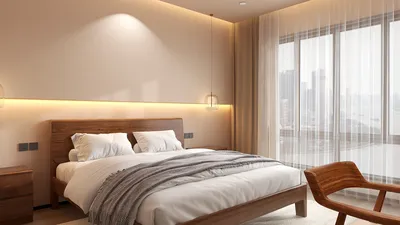


Introduction
New Rustic integrates the unrefined beauty of traditional rustic designs with a fresh sense of modern sensibility. Rooted in a philosophy that values simplicity and nature’s raw charm, this style rejects opulence in favor of authenticity. By merging handmade craftsmanship with understated elegance, it reflects a lifestyle devoted to comfort and groundedness, yet embraced through contemporary living standards. It acknowledges the imperfections of natural materials and transforms them into statements of timeless allure. This approach is a conscious response to fast-paced, mass-produced aesthetics prevalent today. It celebrates the tactile and visual warmth found in wood grains, distressed metals, and muted palettes. The New Rustic style balances rugged textures with curated refinement to create inviting interiors that feel lived-in yet carefully composed. This aesthetic champions the honest use of materials elevated by thoughtful design choices, blending historical rustic cues with current preferences for natural light, open spaces, and sustainability. It is not merely a nostalgic revival but a dynamic reinterpretation that connects past traditions with the present-day demand for cozy yet sophisticated environments.
Core Elements
1. Warm and Earthy Color Palette The New Rustic palette is dominated by rich, warm earth tones that mimic the colors found in nature. From deep chestnut browns and sandy beige to muted olive greens and soft grays, these hues provide a nurturing backdrop that feels both soothing and grounded. Unlike bold or overly bright colors, these tones evoke an organic harmony that invites comfort. The restrained use of saturated shades allows textures and materials to become focal points, enhancing the tactile experience typical of rustic interiors. Subtle variations within the palette enable layering, creating depth and nuance without overwhelming the senses. This color strategy supports a lived-in atmosphere where warmth and understated elegance coexist effortlessly.
2. Natural and Weathered Materials A signature feature of New Rustic interiors is the unapologetic use of natural, often weathered materials. Rough-hewn timber beams, reclaimed wood flooring, and distressed leather surfaces introduce a palpable history and tactile richness. Stone elements—whether used in feature walls, hearths, or flooring—maintain their irregular character, celebrating imperfections like cracks and fissures as marks of authenticity. Metal fixtures tend to exhibit patinas or dull finishes rather than polished appearances, contributing to the artisanal sensibility. Together, these materials bring a rugged vitality to interiors while ensuring durability and character. This raw honesty in materials is central to the aesthetic’s emotional impact, grounding spaces in tangible reality rather than artificial perfection.
3. Organic and Unstructured Forms Departing from sleek modernity and rigid symmetry, New Rustic favors organic, fluid forms that echo the shapes found in natural landscapes and handmade crafts. Furniture, lighting, and decor often showcase irregular edges, asymmetry, or bulky silhouettes, which emphasize a handcrafted essence. Curved wooden armchairs, chunky woven rugs, and softly rounded pottery contrast with hard architectural lines to soften spaces and increase visual interest. This interplay between structure and spontaneity fosters a dynamic environment that feels personal and approachable. The absence of perfect uniformity invites tactile exploration and affirms the value of imperfections as unique signatures rather than flaws.
Designing the Look
Achieving the New Rustic aesthetic requires a nuanced understanding of how to balance natural materials, muted hues, and unrefined shapes without tipping into kitsch or neglect. Homestyler’s ‘New Rustic’ offers a comprehensive set of ready-to-use 3D models specifically curated to embody this aesthetic, allowing designers to achieve authentic results with professional-grade textures and forms. These models deliver a practical resource for experimenting with layouts and material combinations that highlight the style’s core elements. Incorporating reclaimed wood furniture with inviting upholstery, paired with aged metal lamps and stone accents, the collection enables visualization of deeply layered interiors that remain cohesive and contemporary. The versatility embedded within the model package supports both subtle and bold interpretations of New Rustic design. The tactile quality of surfaces such as linen cushions, jute rugs, and ceramic vases can be effectively previewed, aiding decision-making in both residential and boutique commercial projects. Employing these 3D assets reduces reliance on guesswork and streamlines the creative process, making it easier to translate rustic inspirations into spaces that feel thoughtfully crafted and genuinely warm. Designers can confidently navigate the balance between tradition and modernity, resulting in interiors that resonate emotionally and function seamlessly.


Whimsical Hot Air Balloon Print Round Tasseled Rug 3D Model

Rustic Vintage Black Ceramic Decorative Vases with Olive Branches 3D Model

Artisan Hand Painted Ceramic Decorative Platter 3D Model


Vintage Pilot Style Fabric Goose Decorative Figurine 3D Model
FAQ
Q1: What distinguishes New Rustic from traditional rustic design?
New Rustic distinguishes itself by marrying the untouched, unpolished elements of traditional rustic with a refined approach that embraces contemporary comforts. While classic rustic can sometimes feel heavy or gaudy, New Rustic adopts a lighter color palette and integrates modern details, making it more adaptable to current interior trends without losing its inherent warmth and authenticity.
Q2: How do I incorporate New Rustic style into a small urban apartment?
To introduce New Rustic in limited spaces, prioritize natural textures like reclaimed wood and soft textiles that evoke warmth without adding bulk. Use lighter earth tones and ensure natural light maximizes openness. Select multifunctional furniture with organic shapes that provide both form and function. Including a few statement pieces from the style’s hallmark materials can create a strong identity without overcrowding.
Q3: Are the materials used in New Rustic sustainable or eco-friendly?
Yes, sustainability is a key consideration in New Rustic. It often emphasizes reclaimed, repurposed, and locally sourced materials. The use of natural and untreated finishes reduces environmental impact. Choosing durable, timeless pieces over disposable décor aligns with the style’s ethos of enduring beauty and responsible living, encouraging mindful consumption and resource preservation.
Homestyler's roots trace back to Autodesk, the global leader in design and engineering software. That heritage lives on in every feature we build. Today, with a community of more than 18 million users worldwide, Homestyler continues to make professional-quality interior design accessible to everyone — from first-time decorators to seasoned architects.
With Homestyler, you can design and visualize your living spaces online with stunning, realistic results.
Design Now for FREE
































