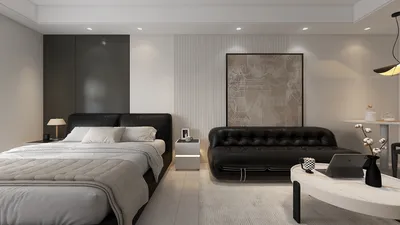


What is the core issue in Natural Woodland style interiors?
Overusing rustic elements leads to clutter and loss of style harmony.
Quick Takeaways
1. Natural Woodland style often suffers from an overabundance of wood textures that overwhelm the space. 2. Improper scale of furniture disrupts the organic flow integral to the aesthetic. 3. Mixing modern and rustic items without cohesion dilutes style clarity. 4. Excessive decorative accessories cause visual clutter instead of natural calm. 5. Ignoring the role of natural light compromises the style’s earthy appeal.
Introduction
I have frequently observed that Natural Woodland interiors appear unbalanced or contrived when key design tenets are overlooked. This style relies on a careful interplay between natural materials, textures, and spatial harmony. Without discipline in selection and placement, the resulting environment can feel overcrowded, forced, or lacking authenticity. Understanding why this happens helps prevent the common pitfalls often encountered during design execution.
Why It Goes Wrong
The fundamental failure in executing the Natural Woodland style stems from disproportionate emphasis on rustic elements and decoration without maintaining spatial and aesthetic equilibrium. Designers often mistake ‘natural’ for ‘excessive,’ piling on wood finishes, greenery, and forest motifs which overwhelms the overall interior. Another key factor is style confusion—attempting to blend contemporary and rustic components without a unifying vision breaks the immersive woodland experience. Inadequate lighting and neglected organic forms further contribute to these missteps.
Mistake 1: Overloading Wood Elements
The Mistake: Using too many types or intensely grained wood surfaces in one room, causing visual overstimulation. Why It Happens: Wood is the signature material for this style, and there's a temptation to apply it everywhere to enhance the theme. The Fix: Limit wood surfaces to two or three complementary species and finishes. Balance them with neutral textiles and matte or muted materials to preserve calm and readability.
Mistake 2: Disproportionate Furniture Scale
The Mistake: Selecting bulky or oversized furniture that dominates the room's delicate natural aesthetic. Why It Happens: Rustic design conventions sometimes imply chunky, heavy pieces, leading to oversized choices. The Fix: Choose furniture with simple, slender profiles or carved details while keeping size moderate. Maintain circulation space to keep airiness synonymous with woodland serenity.
Mistake 3: Unfocused Style Mixing
The Mistake: Incorporating modern metals, plastics, or brightly colored accessories that clash with the woodland foundation. Why It Happens: Designers may attempt trendy accents or reuse items from other styles without adapting them for cohesion. The Fix: Select accents carefully—stick to natural or oxidized finishes, organic shapes, and earthy colors. Use modern pieces only when they complement the rustic palette and texture.
Mistake 4: Excessive Decorative Items
The Mistake: Crowding surfaces and shelves with numerous plants, ornaments, and forest paraphernalia. Why It Happens: A misinterpretation that ‘more is better’ to enhance the woodland theme. The Fix: Adopt a minimalist approach—limit décor to signature pieces such as handcrafted pottery or fossil accents. Use negative space deliberately for breathing room.
Mistake 5: Ignoring Natural and Ambient Lighting
The Mistake: Relying solely on artificial lighting, resulting in harsh or unnatural illumination. Why It Happens: Window placement constraints or lack of planning lead to insufficient natural light exploitation. The Fix: Maximize daylight by using light curtains or blinds, position mirrors to reflect light, and combine warm ambient fixtures that mimic sunset hues found in woodlands.
Designing the Look
Homestyler’s ‘Natural Woodland’ offers a comprehensive set of ready-to-use 3D models specifically curated to embody this aesthetic, allowing designers to achieve authentic results with professional-grade textures and forms.
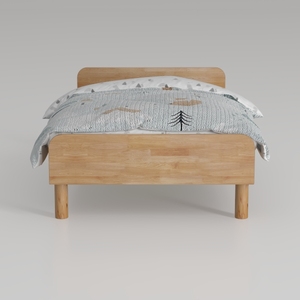
Minimalist Solid Oak Wood Kids Bed with Soft Bedding 3D Model

Minimalist Solid Wood Fluted Glass Wardrobe 3D Model

Minimalist Solid Pine Wood Bookshelf with Open Storage Shelves 3D Model

Minimalist Solid Oak Wood Platform Bed 3D Model
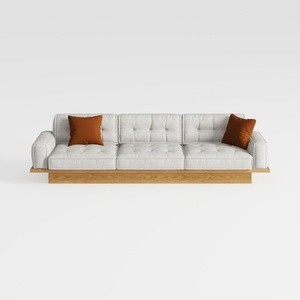
Modern Solid Wood Frame Tufted Fabric Three Seat Sofa 3D Model

Minimalist Solid Wood Fabric Armchair with Lumbar Pillow 3D Model
FAQ
Q: How can I choose the right wood finishes for a Natural Woodland interior?
A: Selecting wood finishes requires attention to tone, grain, and texture that reflect natural environments. Opt for medium to dark tones like walnut, chestnut, or oak with visible but subtle grains. Avoid overly polished or glossy surfaces, which detract from the raw and organic feel. Mix matte and satin finishes for depth, but maintain a consistent warmth to unify the scheme.
Q: Is it necessary to include live plants in every Natural Woodland interior design?
A: Incorporating live plants supports the woodland ambiance by bringing natural life indoors, yet it’s not mandatory. Artificial botanicals with high realism can suffice when maintenance or lighting constraints exist. The crucial factor is integrating greenery in a way that feels organic rather than staged—clusters of native species or moss arrangements are preferable to generic potted plants.
Q: What lighting strategies best complement the Natural Woodland style?
A: Use layered lighting that mimics forest environments: ample soft daylight supported by ambient light from warm-hued bulbs and accent lights highlighting natural textures. Fixtures crafted from wood, wrought iron, or natural fibers contribute to authenticity. Dimmers and adjustable lamps enhance versatility, allowing light levels to adapt throughout the day and evoke changing outdoor atmospheres.
What began as an Autodesk innovation has evolved into a design platform used by more than 18 million people around the globe. Homestyler combines powerful rendering, an intuitive editor, and a vast furniture library to help you turn inspiration into photorealistic designs — whether you're redesigning a single room or planning an entire home.
With Homestyler, you can design and visualize your living spaces online with stunning, realistic results.
Zaprojektuj teraz za darmo
































