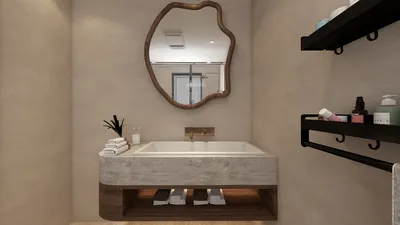


Natural Woodland design balances the rugged textures of nature with refined spatial composition to create serene, grounded interiors. The main challenge lies in harmonizing the raw organic elements—such as wood grains, stone surfaces, and foliage-inspired shapes—with controlled proportions that preserve functionality and flow. This style demands an intuitive understanding of scale, texture layering, and color harmony to avoid a cluttered or contrived look. Achieving cohesion requires intentional decisions about material choices and placement so that each element supports the natural theme without overwhelming the space. Designers must carefully curate furniture and decorative pieces that echo woodland motifs while maintaining clean lines and adequate room for movement. Light distribution must evoke the dappled, soft ambiance of a forest by balancing warm natural light with subtle artificial sources, enhancing textures without casting harsh shadows. Decorative accents like small botanical sculptures, textured ceramics, and handwoven textiles provide nuanced detail that elevates the authenticity. Throughout, restraint is key; too many rustic elements can tip into kitsch, but thoughtful curation yields warm, inviting spaces where nature’s tranquility radiates indoors.
Step 1: Layout Logic — Space Proportions and Furniture Placement
Effective Natural Woodland interiors begin with spatial awareness. Prioritize open layouts that maintain a generous flow, avoiding overfilling with bulky or mismatched furnishings. Use furniture scaled to human proportions but with organic shapes — think softly rounded edges and natural wood finishes that mimic branches or bark textures. Group pieces in small conversational clusters and orient seating towards focal points like a fireplace or a window with a garden view. Maintain clear pathways of at least three feet wide for circulation. Layering rugs in jute or sisal adds tactile warmth without clutter. Use modular wooden shelving or low-profile storage that blends into the background to keep surfaces clean. Neglecting proportion risks cramped spaces or chaotic aesthetics, so measure key dimensions and adapt the number of pieces accordingly. The goal is a layout where every item feels deliberate, contributes to spatial harmony, and reflects nature’s effortless order.
Step 2: Light and Color — Tonal Selection and Light Source Coordination
Color palettes in Natural Woodland style mimic forest environments: earthy browns, moss greens, muted grays, and soft beige tones dominate. Start with neutral bases such as off-white walls or weathered wood floors, then layer accent hues inspired by leafy greens and autumnal rusts to evoke seasonal variations. Light sources should replicate natural daylight cycles; large windows with sheer curtains maximize diffuse sunlight. Incorporate warm-toned LED bulbs in layered fixtures—table lamps, recessed ceiling spots, and pendant lights—that can be dimmed to control ambiance. Highlight textures with directional sconces that cast subtle shadows, enhancing the dimensionality of wood grains and woven materials. Avoid stark or cold fluorescents that deaden organic warmth. Consider incorporating reflective surfaces like lightly polished stone or glass elements to bounce light gently while maintaining the earthy ethos. The interplay of color and lighting shapes moods, transforming a static room into a dynamic natural retreat.
Step 3: Finishing Touches — Small-Scale Models to Enhance Texture and Detail
In Natural Woodland interiors, small decorative elements command outsized influence by grounding the theme in tangible detail. Introduce miniature flora models—succulents, moss terrariums, or dried wildflowers—in ceramic or wooden pots that fuse craftsmanship with organic motifs. Handwoven baskets in natural fibers serve both aesthetic and practical storage functions. Sculptural pieces carved from reclaimed wood or stone add authentic tactile appeal and narrative depth. Textiles such as throw pillows and blankets in linen or wool with subtle bark or leaf patterns enrich sensory layering. Group small objects thoughtfully to avoid visual clutter—consider symmetrical arrangements or linear sequences on mantels or shelves. These accents connect the macro spatial design to intimate moments, creating a cohesive story where every texture and shape echoes forest life.
Designing the Look
For designers working in Homestyler, the Natural Woodland is a practical shortcut to authenticity. It removes the guesswork from sourcing—every piece is pre-matched in scale, material, and proportion to deliver a coherent Natural Woodland result.
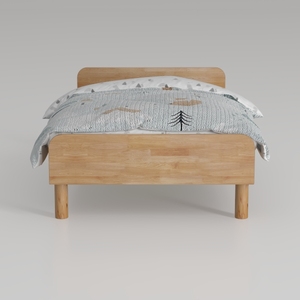
Minimalist Solid Oak Wood Kids Bed with Soft Bedding 3D Model

Minimalist Solid Wood Fluted Glass Wardrobe 3D Model

Minimalist Solid Pine Wood Bookshelf with Open Storage Shelves 3D Model

Minimalist Solid Oak Wood Platform Bed 3D Model
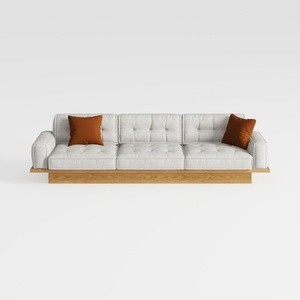
Modern Solid Wood Frame Tufted Fabric Three Seat Sofa 3D Model

Minimalist Solid Wood Fabric Armchair with Lumbar Pillow 3D Model
FAQ
Q1: How can I ensure my furniture selection maintains the Natural Woodland authenticity without overwhelming the space?
Choosing furniture for Natural Woodland interiors requires balancing organic forms with appropriate scale. Select pieces crafted from real wood or finishes that reveal natural textures, such as live-edge tables or chairs with soft curves. Prioritize items with streamlined profiles to avoid overcrowding. Measure your room’s dimensions before purchasing and maintain clearance for movement. Avoid heavy, overly ornate furniture that detracts from the subtlety of the style. Instead, focus on fewer high-quality pieces that complement each other and retain a sense of nature-inspired calm.
Q2: What lighting techniques best replicate the dappled light effect seen in woodland environments?
To recreate dappled forest light indoors, use a combination of diffuse natural daylight and layered artificial lighting with adjustable intensity. Position large windows to capture sunlight filtered through external foliage, and use sheer curtains to diffuse brightness. Incorporate light fixtures with warm LED bulbs placed strategically—such as directional wall sconces or pendant lights—to cast soft, uneven shadows. Using textured lamp shades or filters can break light into subtle patterns, enhancing the natural feel. Avoid harsh overhead fluorescents; instead, aim for multiple low-level sources that create depth and mimic the interplay of light and shadow found in nature.
Q3: How to integrate small decorative elements without making the room feel cluttered or kitschy?
Integrate small decorations by choosing pieces that emphasize natural textures and subtle craftsmanship. Limit the number of objects per surface to maintain visual breathing space. Group related items thematically, such as a small grouping of ceramic botanical pots or a cluster of woven baskets, to create intentional focal points. Use neutral or earthy color palettes for accessories to ensure they harmonize with the overall design. Consistency in material choice—like wood, stone, linen—helps unify diverse elements, preventing a hodgepodge appearance. Regularly reassess your displays and remove or rotate items to keep the aesthetic fresh and curated.
Built on technology originally developed at Autodesk, Homestyler empowers anyone to design beautiful, realistic spaces in minutes. Join over 18 million users who have already discovered a smarter way to plan, visualize, and bring their dream homes to life — all from the comfort of a browser.
Design your ideal space with Homestyler, turn your creativity into reality, and craft a unique home style that is truly your own.
Design jetzt kostenlos
































