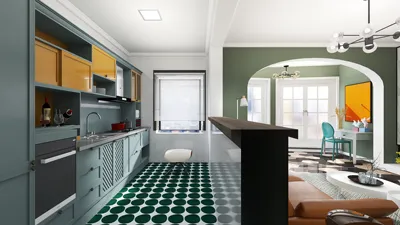


What is the most common core issue in Mondrian Furniture style?
Imbalance between geometric rigor and color harmony often undermines Mondrian Furniture's intended aesthetic.
Quick Takeaways
1. Overuse of bold color blocks can overwhelm spatial harmony. 2. Neglecting the proportional balance between furniture pieces disrupts visual rhythm. 3. Mixing additional design styles dilutes the purity of Mondrian's geometric abstraction. 4. Using low-quality textures reduces the style’s characteristic crispness. 5. Ignoring spatial functionality in pursuit of aesthetics compromises livability.
Introduction
I have observed that Mondrian Furniture style often faces challenges related to its strict stylistic demands. The risk of overwhelming a room with heavy geometric shapes or struggling to maintain the delicate balance between color and form means many projects feel chaotic rather than cohesively modern. Discerning how to respect Mondrian’s abstract yet functional design instincts becomes essential, yet stubbornly difficult for many designers who lose sight of spatial balance and texture quality.
Why It Goes Wrong
This style fails mostly due to a lack of measured restraint and misunderstanding of proportion. Designers frequently overdecorate with primary colored blocks or attempt to combine incompatible styles, resulting in visual noise rather than the striking, minimalist effect Mondrian’s geometric abstraction intends to convey. Furthermore, ignoring the tactile and material quality necessary for clean lines and sharp shapes leads to a dilution of the style’s crisp identity.
Mistake 1: Overuse of Bold Color Blocks
The Mistake: Saturating an entire space with intense blocks of primary colors—red, blue, yellow—without moderation. Why It Happens: Designers assume the style demands maximum color presence, confusing vibrancy with clutter. The Fix: Limit bold colors to focal points or select furniture; balance with neutral backgrounds or surfaces, ensuring a color to neutral ratio no greater than 1:3 within a room.
Mistake 2: Disproportionate Furniture Scale
The Mistake: Placing large-scale geometric furniture pieces next to much smaller ones disrupts the rhythm and hierarchy of the space. Why It Happens: Misjudging spatial volume or underestimating the impact of scale leads to visual imbalance. The Fix: Measure and adhere to proportional relationships; keep size variations within 1:2 scale ratios to maintain consistency and flow.
Mistake 3: Stylistic Dilution through Mixing
The Mistake: Introducing elements from other styles like rustic, classic, or overly ornamental which conflict with Mondrian’s geometric purity. Why It Happens: A desire for eclecticism or personal taste overrides stylistic coherence. The Fix: Commit to Mondrian’s aesthetic by restricting accessory and furniture choices to ones that prioritize geometric forms and primary color palettes exclusively.
Mistake 4: Ignoring Texture and Material Quality
The Mistake: Using low-quality or inappropriate surfaces, leading to a loss of the clean, sharp edges typical of Mondrian’s look. Why It Happens: Budget constraints or oversight on material selection. The Fix: Prioritize professional-grade textures such as lacquered woods, glossy metals, and smooth fabrics to maintain clear-cut forms and luxe finishes.
Mistake 5: Neglecting Functional Spatial Planning
The Mistake: Prioritizing visual style over practical room use, causing cluttered or impractical interiors. Why It Happens: Stylistic obsession can overshadow the importance of daily usability. The Fix: Integrate functionality early by mapping furniture positions that promote movement and comfort while retaining visual balance; allocate minimum clearances of 60 cm around seating areas.
Designing the Look
Homestyler’s ‘Mondrian Furniture’ offers a comprehensive set of ready-to-use 3D models specifically curated to embody this aesthetic, allowing designers to achieve authentic results with professional-grade textures and forms.

side table-Mondrian Furniture

side table-Mondrian Furniture
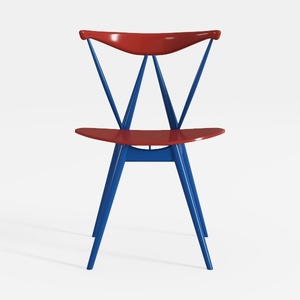
chair-Mondrian Furniture

sideboard-Mondrian Furniture

dressing table-Mondrian Furniture

wall art-Mondrian Furniture
FAQ
Q1: What defines the Mondrian Furniture style’s color scheme?
Q1 Answer:
The Mondrian Furniture style derives its iconic hue palette from Piet Mondrian’s original abstract artworks, focusing on red, blue, yellow, black, white, and grey. These colors are used in bold geometric blocks to emphasize simplicity and balance through primary colors combined with clean neutrals.
Q2: How can I maintain style authenticity without making a space feel cold or uninviting?
Q2 Answer:
Maintaining authenticity involves balancing the strict geometry and primary colors with subtle tactile materials and functional comfort. Introduce warm wood finishes or soft textiles within the furniture spectrum, ensure lighting is carefully chosen to add warmth, and avoid excessive harsh contrasts that might alienate the feel.
Q3: Is it necessary to use only Mondrian Furniture pieces or can complementary items be integrated?
Q3 Answer:
While staying exclusive to Mondrian Furniture achieves the purest style expression, integrating complementary modernist pieces that echo geometric simplicity and color restraint can work. Avoid mixing styles that bring ornamental or organic shapes that contradict the style’s minimalist, grid-based logic. This integration must be deliberate to preserve design harmony.
Homestyler's roots trace back to Autodesk, the global leader in design and engineering software. That heritage lives on in every feature we build. Today, with a community of more than 18 million users worldwide, Homestyler continues to make professional-quality interior design accessible to everyone — from first-time decorators to seasoned architects.
With Homestyler, you can design and visualize your living spaces online with stunning, realistic results.
Design Now for FREE
































