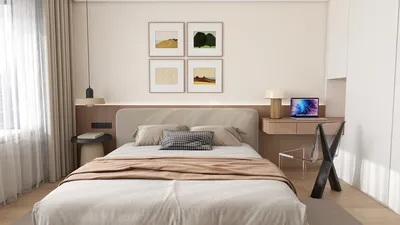


Mondrian Furniture represents a design ethos rooted deeply in the tension between simplicity and vibrant expressiveness. The primary challenge lies in harmonizing the geometric clarity of forms with lively color blocks that demand attention without overwhelming the space. This style relies heavily on striking a balance between functional minimalism and a dynamic visual narrative created by the interplay of primary colors, black grid lines, and white negative space. Establishing this equilibrium is essential because it defines the ambiance—neither too stark nor visually chaotic. The spatial discipline required pushes designers to scrutinize every element’s scale, position, and color to maintain cohesion while welcoming bold visual statements. Achieving this means rethinking furniture not just as utilitarian objects but as integral graphics within the spatial canvas. It requires meticulous planning of proportions to ensure these components neither dominate nor fade, thus preserving the distinct grid-based aesthetic that Mondrian Furniture embodies. Designers face the core dilemma of integrating vivid, geometric shapes without compromising comfort or usability, necessitating a complex layering of aesthetic and functional priorities. Moreover, traditional interior layouts often rely on organic flow and soft lines, which can conflict with the rigidity of Mondrian geometry. Designers must creatively resolve this tension by introducing spatial rhythm through repetition of shapes and careful modulation of color intensity. This results in a space that is striking but harmonious, innovative yet approachable. The challenge heightens when scale adjustments are necessary for different room sizes, as the geometry’s integrity must remain intact. Identifying complementary lighting solutions forms another layer of complexity. The bold color contrasts and hard lines amplify shadows and reflections, which can either enhance or distort the style’s essence. Lighting must be rigged to accentuate the furniture’s form and color blocks without introducing unwanted glare or softness that blurs the defining edges. Ultimately, the Mondrian furniture style demands an exacting approach that transcends conventional interior design thinking. Success lies in mastering geometry with a painterly sense of spatial color dynamics. It is a delicate balance of calculation and artistry that challenges designers to think beyond standard norms, blending the practicality of furnishings with the spirited abstraction of visual art.
Layout Logic — Spatial Proportion and Furniture Placement
Mondrian-inspired interiors require an exacting spatial arrangement that mirrors the strict grid layouts used in Piet Mondrian's paintings. Start by defining your room’s axis and establish imaginary vertical and horizontal lines that will guide furniture placement. Position the largest items, such as sofas or dining tables, along these lines to create a structural framework. The key is to maintain clear rectangles and squares within the space, honoring the geometry by avoiding amorphous or rounded furniture forms that disrupt spatial rhythm. Scale is paramount — every furniture piece must harmonize in proportion, preventing a piece from overpowering its adjacent elements. For example, choose seating with clean, low profiles and linear arms that reinforce horizon and vertical lines. Arrange smaller complementary furnishings like side tables and shelving units so they nest within the grid without cluttering or breaking continuity. Consider negative space as an active element rather than leftover. Leave portions of the floor area uncluttered to emphasize the contrast between solids and voids, a hallmark of Mondrian aesthetics. Use asymmetrical balance by offsetting colorful furniture blocks with neutral zones, achieving a dynamic yet stable composition. Layering also helps — incorporate rugs or room dividers with graphic linear patterns or color blocking to reinforce spatial divisions. When working with an open-plan, visually section areas with furniture that respects the grid rather than arbitrary groupings. Avoid diagonal arrangements that conflict with the orthogonal grid’s clarity. Finally, test your layout in 3D or sketch iterations to ensure sightlines remain unobstructed and spatial proportions feel balanced under different activities and flows. This rigorous spatial organization simultaneously functionalizes the room and amplifies the Mondrian style’s visual impact.
Lighting and Color — Tone Selection and Light Source Coordination
Color selection for a Mondrian-themed interior is centered around the primary palette—reds, blues, yellows—offset by black lines and expansive white surfaces. Begin by establishing a neutral base using white or very pale walls to maximize contrast and allow color blocks to pop. Restrict the use of secondary and tertiary hues to maintain stylistic purity and avoid diluting the geometric impact. Introduce colored furniture or cabinetry pieces in solid, uniform tints strictly within primary colors. Accent walls painted in a single primary color can serve, but only if balanced with adjacent white and black framing to mimic the distinct panels found in Mondrian’s compositions. Regarding lighting, opt for fixtures that emphasize clarity and line definition. Linear LED light strips installed parallel to the architectural grid enhance the geometric narrative by visually extending room lines. Avoid diffused lighting that softens edges; instead, use directional spotlights or pendant lamps with minimalistic designs that echo the furniture’s hard edges. Balance warm and cool light temperatures to prevent color hues from shifting unpredictably. Neutral white lights (around 4000K) provide the best fidelity for primary colors, preserving saturation and vibrancy. Use dimmable controls to adapt lighting intensity to the time of day, ensuring that color contrasts remain consistent and striking. Position fixtures to reduce glare on glossy surfaces often found in Mondrian Furniture pieces. Matte finishes support a more even light diffusion, reducing harsh reflections that might break the elegance of sharply defined blocks. Utilize natural daylight strategically by pairing large windows with sheer white curtains to filter light, casting soft shadows that emphasize grid divisions without washing out colors. Ultimately, lighting and color interplay form the visual backbone of the Mondrian aesthetic, requiring meticulous calibration for tone authenticity and architectural alignment.
Focal Accessories — Enhancing Quality Through Accent Models
Small-scale decor can elevate a Mondrian interior from a simple geometric scheme into a richly layered environment. Choose accessories that echo the primary motif—objects with crisp edges, bold shapes, and color strategic placement. For example, geometric vases in cuboid or cylindrical forms painted in red, blue, or yellow punctuate shelving and tables with visual interest that ties to the overall architectural grid. Limit ornamentation to a few select pieces to avoid diluting the style’s minimalist clarity. Sculptures or lamps with metallic black finishes can introduce texture contrasts while maintaining tonal cohesion with black framework lines. Transparent glass or acrylic items lend lightness and prevent crowding while contributing to layered depth. Incorporate textiles deliberately: cushions, throws, or rugs with sharp color blocking or linear patterning mimic the furniture’s graphic language. Avoid floral or elaborate prints as they conflict with the Mondrian style’s essence. The quality of materials also matters — matte fabrics, smooth wood grains, and polished metals support the visual precision the style commands. Art objects or wall hangings should replicate or reinterpret Mondrian’s compositions but scaled proportionately not to dominate walls fully. Offer subtle variations such as raised textures or layered panels to add dimensionality. Use plants with sculptural forms sparingly to introduce organic contrast. Select species with rigid shapes or trimmed hedges, avoiding sprawling greenery. Small-scale planter geometries mirror the overall design language. The key is intentionality: each accessory must be a deliberate visual and tactile complement that enriches cohesion while retaining overall restraint.
Designing the Look
For designers working in Homestyler, the Mondrian Furniture is a practical shortcut to authenticity. It removes the guesswork from sourcing — every piece is pre-matched in scale, material, and proportion to deliver a coherent minimalist geometric result.

side table-Mondrian Furniture

side table-Mondrian Furniture
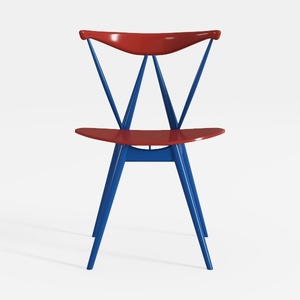
chair-Mondrian Furniture

sideboard-Mondrian Furniture

dressing table-Mondrian Furniture

wall art-Mondrian Furniture
FAQ
Q1: How can I ensure that Mondrian Furniture maintains spatial balance in small rooms?
A1: Start by mapping out a strict grid layout and prioritize furniture with low profiles and defined edges to avoid visual clutter. Use negative space strategically by leaving areas open to reinforce the design’s geometric clarity. Incorporate mirrored surfaces or light colors to create a sense of depth while keeping decor minimal.
Q2: What lighting options best enhance the primary colors used in Mondrian Interiors?
A2: Opt for neutral white LEDs around 4000K to preserve true color saturation. Use directional lighting like spotlights or pendants aligned with the room’s grid to emphasize shapes and edges. Avoid overly warm or cool tones that can distort the primary color vibrancy.
Q3: How to select accessories without breaking the minimalist Mondrian aesthetic?
A3: Choose decor with simple geometric shapes and primary colors. Restrict items to a few focal points and select materials that complement the furniture’s finish, such as matte textiles and polished metals. Avoid floral or busy patterns, and prefer clean lines to maintain design coherence.
Built on technology originally developed at Autodesk, Homestyler empowers anyone to design beautiful, realistic spaces in minutes. Join over 18 million users who have already discovered a smarter way to plan, visualize, and bring their dream homes to life — all from the comfort of a browser.
Design your ideal space with Homestyler, turn your creativity into reality, and craft a unique home style that is truly your own.
Design Now for FREE
































