

Introduction
Mondrian Furniture epitomizes a striking confluence of minimalism and vibrant abstraction rooted in early 20th-century modernist philosophy. This style derives its essence from Piet Mondrian’s artistic vision, which championed purity through geometric order and primary colors to articulate harmony amid visual tension. Rejecting ornamental excess, Mondrian Furniture foregrounds clarity and structure, emphasizing balanced composition where color, shape, and space engage dynamically. The aesthetic core insists on deliberate asymmetry and spatial rhythm that evokes a thoughtful dialogue between restraint and visual impact. This approach transcends mere decoration, becoming an architectural articulation of balance and contrast. The philosophy behind Mondrian Furniture is rooted in the De Stijl movement, which sought universality through reduction to essentials. It harnesses the power of black gridlines combined with red, yellow, and blue color blocks to shape furniture as functional art. Each piece functions not just as utility but as an interactive element within a meticulously designed environment. The resultant style embodies modernism’s quest for purity, empowering interiors to feel simultaneously ordered and lively without hinting at chaos or randomness. Mondrian Furniture’s aesthetic remains timeless, reflecting enduring principles of geometry and color theory folded into practical design solutions that invoke intellectual engagement as well as visual delight.
Core Elements
Color: Mondrian Furniture adheres strictly to a palette dominated by primary colors—red, blue, and yellow—framed and balanced by expansive white surfaces and grounded by stark black lines. This selective color use functions as more than decoration; it establishes visual rhythm and spatial hierarchy. Each hue carries symbolic weight, and their interplay creates tension and focus points across furniture forms. The vibrant colors resist naturalistic interpretation, instead evoking emotional responses tied to purity and order. The strategic distribution of these colors results in compositions that appear dynamic yet orderly, guiding the eye while maintaining composure. This masterful color management is quintessential to the style’s identity, reinforcing its artistic lineage and conceptual precision.
Material: The materiality of Mondrian Furniture embraces sleek, polished surfaces that emphasize geometric clarity and functional durability. High-gloss lacquers and smooth veneers allow colors to appear saturated and luminous, contributing to a sense of precision and intentionality. Materials favor modern industrial processes—such as lacquered wood, glass, and metal—that maintain clean lines while enhancing visual contrast between surfaces. This deliberate choice rejects the warmth of textured or naturalistic materials in favor of a refined, almost industrial elegance. The tactile experience complements the aesthetic logic, delivering surfaces that are cool to the touch and unequivocally modern, aligning with the movement’s theoretical foundations.
Form: Geometric abstraction governs the structural design of Mondrian Furniture, with forms reduced to essential shapes—rectangles, squares, and linear elements. Furniture silhouettes avoid curves or organic shapes, focusing instead on sharp edges and intersecting planes. This reduction to elemental form conveys clarity and a sense of order, enabling each component to contribute to an overall balanced composition. The interplay between vertical and horizontal elements generates a grid-like effect reminiscent of Mondrian’s paintings, reinforcing the connection to his artistic principles. Negative space is treated with equal importance, allowing pieces room to ‘breathe’ and emphasizing their architectural qualities within an interior. This adherence to strict geometry makes each design instantly recognizable and eternally relevant.
Designing the Look
Homestyler’s ‘Mondrian Furniture’ offers a comprehensive set of ready-to-use 3D models specifically curated to embody this aesthetic, allowing designers to achieve authentic results with professional-grade textures and forms. Utilizing these models facilitates accurate representation of Mondrian Furniture’s bold interplay of color, form, and materiality within the digital planning process. By integrating these assets, designers can explore spatial arrangements that respect the style’s core philosophy, experimenting with scale and proportion while ensuring fidelity to the original visual language. This resource streamlines the process of realizing Mondrian’s abstract yet functional vision in contemporary interiors, making it more accessible to both seasoned professionals and emerging creatives. The models support customization, enabling refinement aligned with project-specific needs without compromising stylistic integrity. Consequently, they serve as an indispensable toolkit for crafting environments that are both visually arresting and conceptually grounded. Leveraging Homestyler’s pack empowers designers to translate the rigor and vibrancy of Mondrian Furniture in immersive presentations and client proposals, enhancing communication effectiveness and design precision.

side table-Mondrian Furniture

side table-Mondrian Furniture
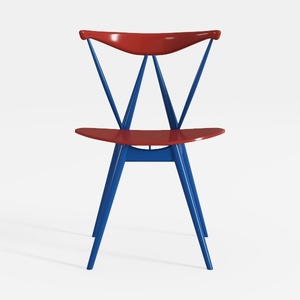
chair-Mondrian Furniture

sideboard-Mondrian Furniture

dressing table-Mondrian Furniture

wall art-Mondrian Furniture
FAQ
Q: How does Mondrian Furniture differ from other modernist furniture styles?
Mondrian Furniture distinctly centers its aesthetic on primary colors framed by black grids and a rigid geometric structure inspired by De Stijl art. Unlike broader modernist furniture, which may incorporate organic curves or varied materials, Mondrian’s style insists on strict abstraction, emphasizing visual balance through blocks of color and linearity. This results in furniture that functions as both utilitarian objects and art statements—highlighting spatial tension and harmony simultaneously.
Q: What types of spaces best suit Mondrian Furniture?
Mondrian Furniture complements environments that favor minimalism and architectural clarity. Its bold color contrasts and graphic qualities thrive in open, light-filled spaces where geometry and color can serve as focal points. Public galleries, modern offices, and contemporary residential interiors benefit from this style’s ability to inject vitality while maintaining order and coherence. Care must be taken to balance Mondrian pieces with neutral elements to avoid overwhelming the spatial narrative.
Q: Can Mondrian Furniture be integrated with more traditional interior styles?
While Mondrian Furniture is rooted in avant-garde modernism, selective integration with traditional interiors is possible with careful curation. To avoid visual conflict, it’s advisable to introduce Mondrian pieces as accent elements in otherwise restrained settings. Their geometric rigidity and primary color focus offer striking contrast without disrupting overall harmony when balanced by classic textures and forms. This creates layered interiors that communicate narrative tension between historical warmth and contemporary abstraction.
Homestyler's roots trace back to Autodesk, the global leader in design and engineering software. That heritage lives on in every feature we build. Today, with a community of more than 18 million users worldwide, Homestyler continues to make professional-quality interior design accessible to everyone — from first-time decorators to seasoned architects.
Homestyler has millions of users worldwide, making it one of the most popular online home design platforms.
Design Now for FREE
































