

Conclusion
Modern Organic and Scandinavian Minimalism attract distinct design sensibilities through their contrasting philosophies: the warmth and texture of natural materials versus the sleek simplicity and functional clarity. Choosing between them often comes down to living habits and emotional response to space: whether you prefer a tactile, earth-infused environment or a crisp, decluttered ambiance.
Style A Deep Dive
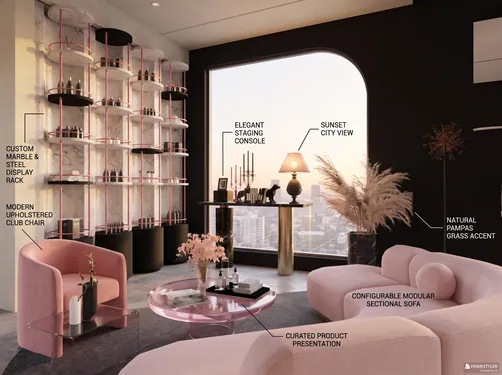
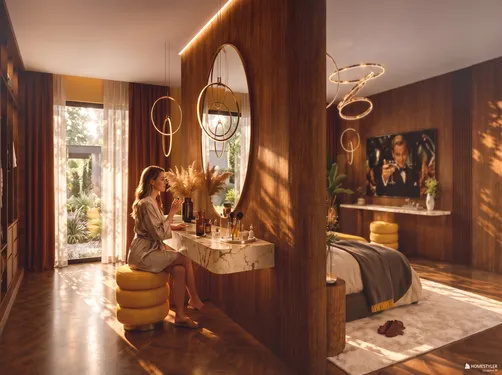
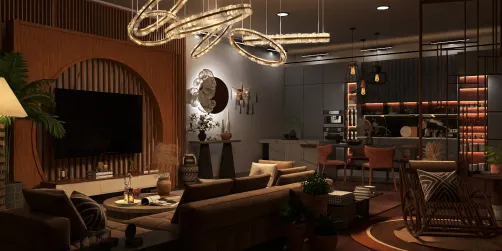
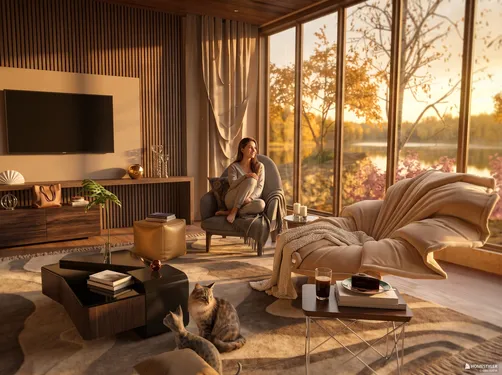
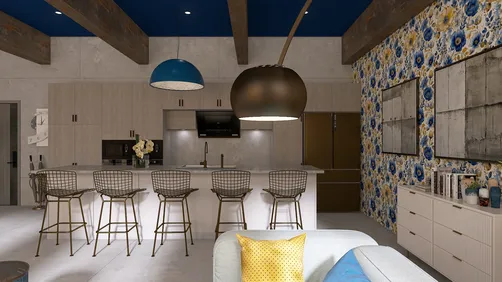
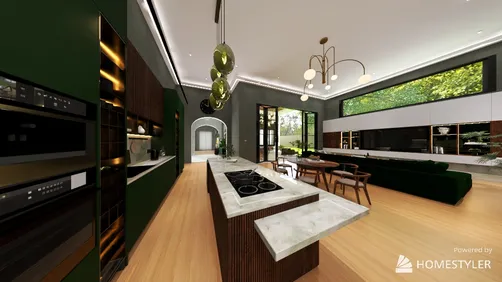
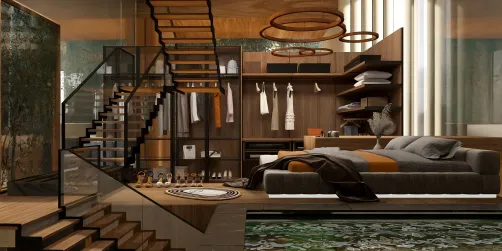
Modern Organic centers on integrating raw, natural materials with smooth modern lines. Its products typically feature wood with visible grains, soft curves, and muted earthy tones to evoke connection and calm. This style thrives in residential settings aiming for warmth without clutter, ideal for those who appreciate craftsmanship and imperfect natural beauty. Limitations include potential difficulty harmonizing with ultra-minimal or highly industrial themes, requiring thoughtful layering to avoid overpowering spaces.
Style B Deep Dive
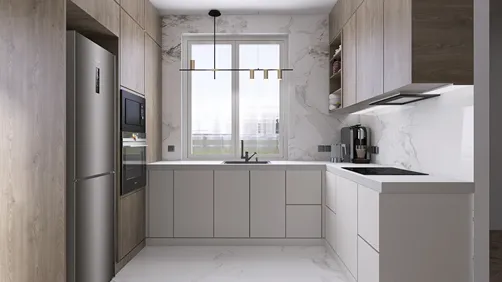
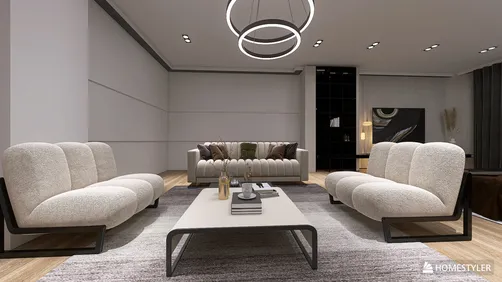
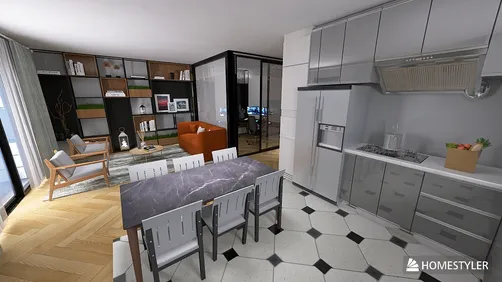
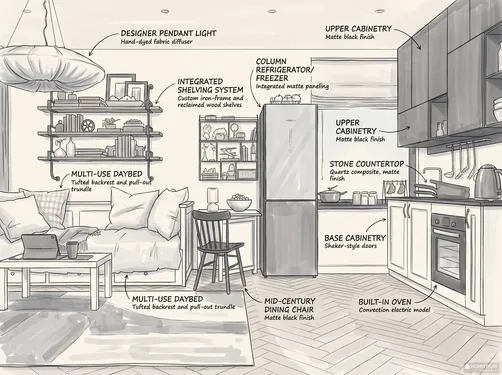
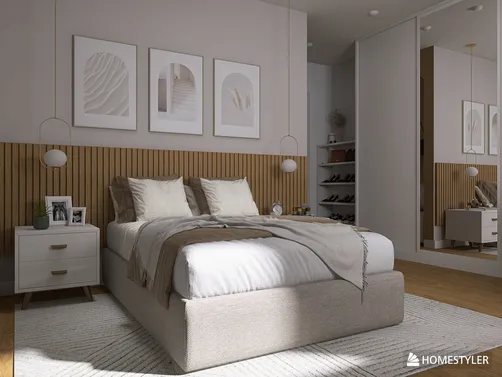
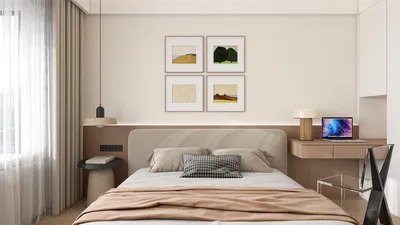
Scandinavian Minimalism emphasizes lightness, airy spaces, and functional simplicity. Its hallmark traits are pale woods, white and pastel color palettes, and streamlined furniture designed to maximize openness. Apt for compact urban apartments and workspaces, it suits those prioritizing order, bright interiors, and clean surfaces. The main constraint is it can feel sparse or cold if not softened with textiles or personalized elements.
Head-to-Head
Color: Modern Organic favors earthy shades — deep browns, muted ochres, soft greens — grounding interiors in nature. Scandinavian Minimalism leans into whites, light grays, and pastel blues to lift and broaden spaces. Material: The organic approach uses raw textures like untreated wood, stone, and natural fibers, highlighting imperfections. Scandinavian minimalism prefers refined woods and smooth surfaces, often painted or sealed to maintain uniformity. Space: Modern Organic welcomes layered layouts and deliberate grouping of tactile objects, inviting cozy, enveloping rooms. Scandinavian Minimalism champions uncluttered layouts, open floor plans, and multipurpose furniture that preserves spatial fluidity. User Fit: Modern Organic suits homeowners embracing nature-inspired warmth and artisanship. Scandinavian Minimalism is preferred by minimalists valuing disciplined aesthetics and functional living, especially in confined or multi-use spaces.
How to Choose
Evaluate your lifestyle and room use first: if you enjoy tactile interaction with materials and desire a comforting ambiance, Modern Organic will resonate. For those who require visual calm and easy maintenance in smaller, versatile rooms, Scandinavian Minimalism excels. Consider the existing architectural context — warm woods and irregular textures harmonize better with traditional or transitional interiors, while bright, clean lines complement modern urban builds. Finally, think about how you want your living space to feel daily: grounding and inviting or airy and orderly.
Designing the Look
If Modern Organic Furniture is the direction you're drawn to, Homestyler's 'Modern Organic Furniture' gives you a ready-built library to start experimenting immediately — no sourcing, no scale guesswork, just design.

Cafe Counter-Coffee Shop

coffee machine-Coffee Shop

bookcase-Library Furnishings
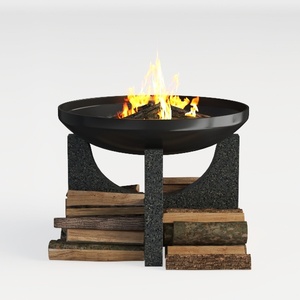
Bonfires-Autumn Fire Pit

cafe storefront-Coffee Shop
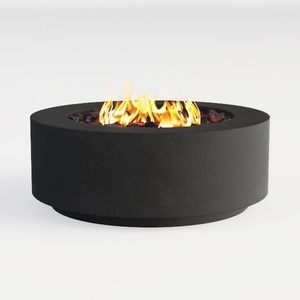
Bonfires-Autumn Fire Pit
FAQ
Q1: How do Modern Organic and Scandinavian Minimalism differ in their use of natural materials?
Modern Organic deliberately showcases raw, imperfect textures like visible wood grains and stone surfaces to foster tactile warmth. Scandinavian Minimalism incorporates natural materials too, but with smooth finishes and lighter colors to maintain a clean, airy environment.
Q2: Which style is better suited for small urban apartments?
Scandinavian Minimalism is generally more practical for compact spaces due to its emphasis on light colors and minimal clutter. Modern Organic can work if the space allows for layered textures without overwhelming the room.
Q3: Can these two styles be combined effectively in one space?
Yes, blending is possible by balancing Modern Organic's warmth and textures with Scandinavian Minimalism's clean lines and brightness. For example, pairing organic wood furniture with minimalistic white walls and simple decor can create a harmonious, inviting space.
Homestyler's roots trace back to Autodesk, the global leader in design and engineering software. That heritage lives on in every feature we build. Today, with a community of more than 20+ million registered users (platform data, 2026) worldwide, Homestyler continues to make professional-quality interior design accessible to everyone — from first-time decorators to seasoned architects.
Design your ideal space with Homestyler, turn your creativity into reality, and craft a unique home style that is truly your own.
Design Now for FREE