
Introduction
Modern Organic Furniture is a design philosophy that merges the warmth of nature with the sleekness of contemporary aesthetics. Rooted in the desire to reconnect indoor spaces with the natural environment, this style emphasizes authenticity, simplicity, and harmony between manmade elements and organic forms. The origins of this approach stem from a reaction against overly sterile or industrial interiors, advocating instead for spaces that feel inviting, grounded, and thoughtfully composed. Drawing influence from biophilic design principles, Modern Organic Furniture reframes traditional furniture pieces by sculpting natural materials in a way that respects their inherent texture and form while embracing modern minimalism. This philosophy extends beyond aesthetics; it’s about creating interiors that promote well-being, balance, and a sensory connection to the tactile and visual qualities of the natural world. As lifestyles become increasingly digital and urban, this approach serves as a refuge, a means to introduce calmness and sustainability into everyday environments.
Core Elements
Color
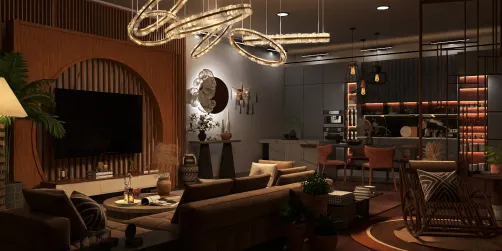
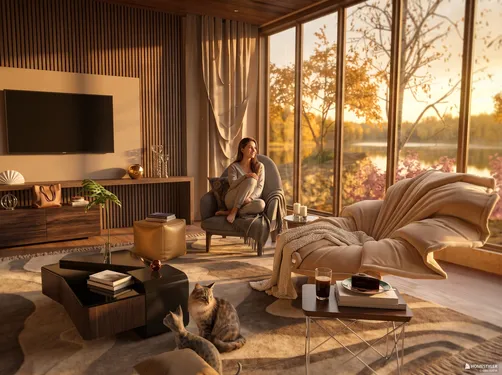
The color palette of Modern Organic Furniture pivots around warm, earthy hues and subtle neutrals reflecting the natural world. Shades such as terracotta, ochre, moss green, warm taupe, and sandy beiges dominate, providing a grounding and calming backdrop. These tones avoid harsh contrasts and instead foster gentle transitions, mirroring landscapes where soil blends into plant life. Whites and soft greys appear frequently, offering lightness and airiness without detaching from warmth. The use of color in this style is intentional, designed to evoke a sense of comfort and timelessness. Accent shades often include deep forest greens or muted rust colors, used sparingly to create points of visual interest that draw on natural inspiration. This palette not only enhances the natural materials but also underscores the philosophy of understated elegance, where the environment is allowed to breathe and soothe rather than compete for attention.
Materials
Natural and sustainable materials form the backbone of Modern Organic Furniture design. Wood—often light-toned or softly stained—is a staple, prized for its inherent grain and warmth. The furniture pieces celebrate the authenticity of timber, showcasing knots, textures, and organic imperfections rather than masking them under lacquer. Alongside wood, rattan and wicker add an artisanal, handmade quality, contributing texture and tactile variation. Stone elements, such as marble or soapstone, appear in tabletops or accent details, providing cool, solid contrasts to the softness of wood. Upholstery and cushions favor natural fibers like linen, cotton, and wool, often in unbleached or lightly dyed finishes that enhance the organic feel. The preference for raw or lightly processed materials honors craftsmanship and environmental responsibility, weaving sustainability into the very fabric of design. These materials are carefully combined so that each piece feels both contemporary and inherently connected to nature.
Form
Forms within Modern Organic Furniture are characterized by fluid, yet purposeful lines that emulate natural shapes without becoming literal mimics of nature. Silhouettes are often soft and rounded, with curved edges and gentle contours that invite touch and interaction. Despite the smoothness, the forms maintain an element of structural clarity—function and simplicity are never sacrificed for decoration. The design often embraces asymmetry or irregularity, echoing organic growth patterns seen in branches or river stones, thereby avoiding rigid uniformity. The balance between refined craftsmanship and organic irregularities creates dynamic pieces that feel alive within the space. From lounge chairs with enveloping backs to tables with uneven yet harmonious edges, this approach provides visual interest while maintaining a sense of calm. These shapes ensure that every piece commands its own presence without overwhelming the room, emphasizing coexistence between furniture and the surrounding environment.
Designing the Look
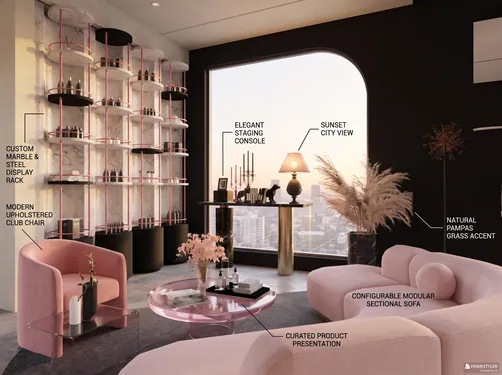
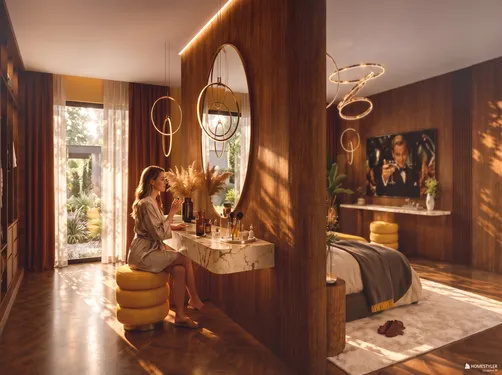
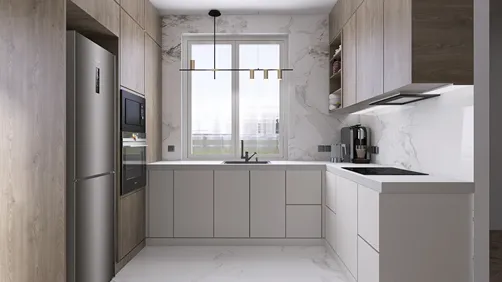
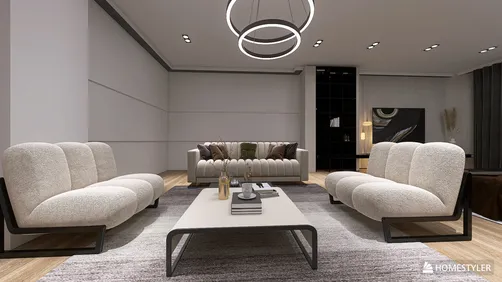
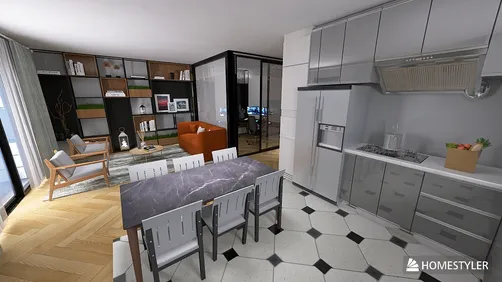
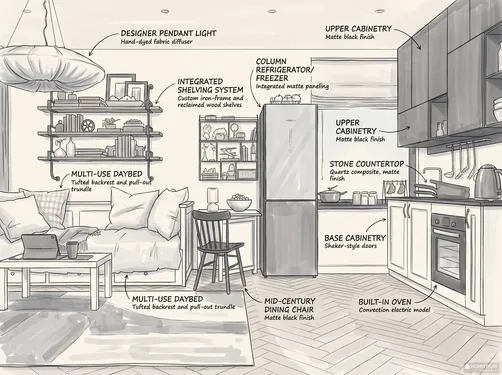
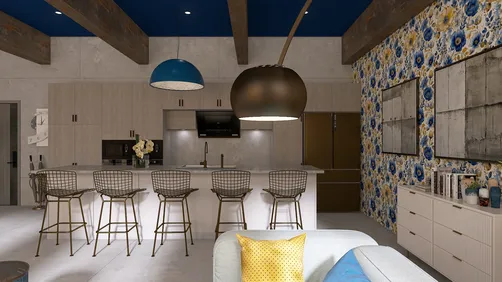
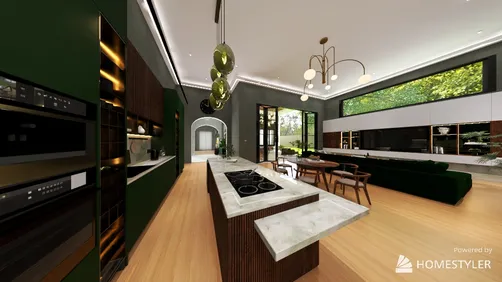
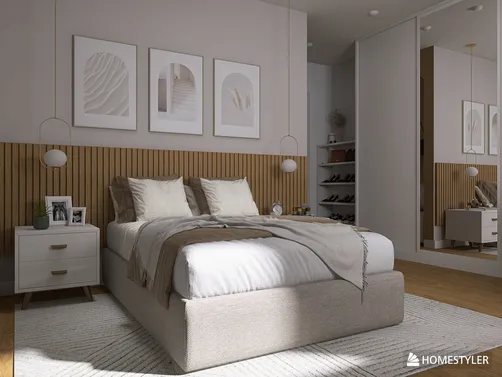
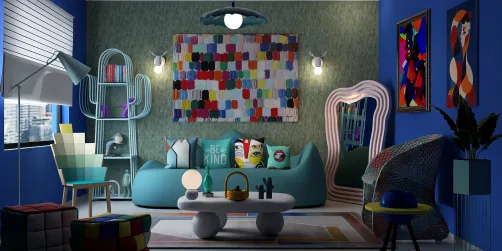
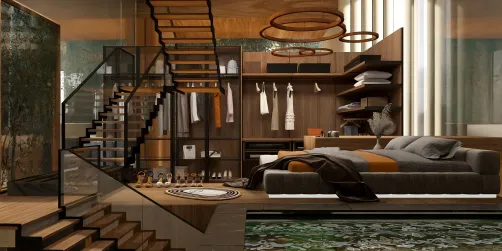
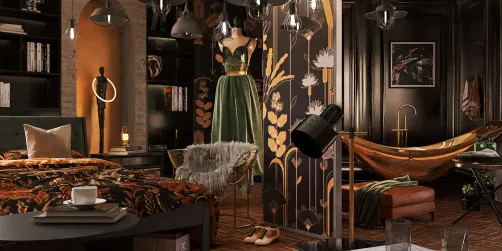
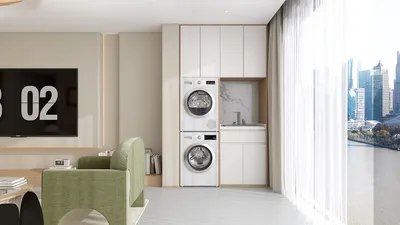
Achieving the essence of Modern Organic Furniture in interior projects requires a curated selection of design elements that seamlessly blend natural warmth with contemporary clarity. Homestyler’s ‘Modern Organic Furniture’ offers a comprehensive set of ready-to-use 3D models specifically curated to embody this aesthetic, allowing designers to achieve authentic results with professional-grade textures and forms. These models cover a spectrum of typical furniture types, from seating and tables to storage solutions, each crafted to emphasize organic shapes and natural finishes. Utilizing such digital resources streamlines the visualization process, providing clients and stakeholders with realistic previews of how these pieces interact within spatial layouts. The nuanced surface textures and softly rounded edges are precisely represented, enabling accurate lighting simulations and material studies. These resources not only aid in conceptualization but also enhance the design’s integrity by preserving the style’s core values digitally. By integrating these models, designers can adapt and customize layouts efficiently while maintaining a cohesive and natural aesthetic tone.

Cafe Counter-Coffee Shop

coffee machine-Coffee Shop

bookcase-Library Furnishings
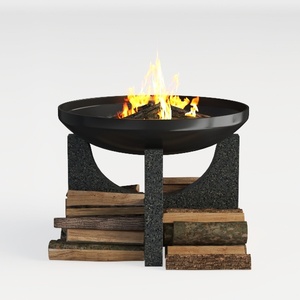
Bonfires-Autumn Fire Pit

cafe storefront-Coffee Shop
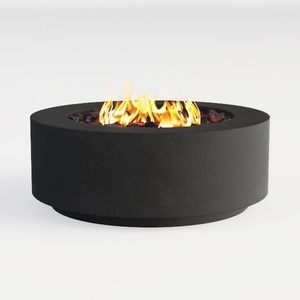
Bonfires-Autumn Fire Pit
FAQ
Q1: What defines the difference between Modern Organic Furniture and traditional rustic furniture?
Modern Organic Furniture distinguishes itself by blending nature-inspired materials and forms with contemporary minimalism and craftsmanship. Traditional rustic furniture often emphasizes heavier, raw-hewn finishes and visibly rough construction, while Modern Organic Furniture favors refined natural textures, gentle curves, and subtle sophistication, balancing warmth with elegance.
Q2: How can I integrate Modern Organic Furniture in a small urban apartment without overwhelming the space?
Focus on selecting pieces with lighter wood tones and simpler, rounded forms that complement rather than dominate the room. Opt for multifunctional furniture with organic shapes that enhance flow, and maintain a neutral earthy palette to keep the space airy. Incorporating textiles like linen cushions adds softness without clutter.
Q3: Are there maintenance considerations for the natural materials used in Modern Organic Furniture?
Yes, natural materials require mindful care. Wood surfaces benefit from regular dusting and occasional oiling to preserve their finish. Upholstery made from natural fibers should be cleaned with gentle methods to avoid damage. Avoid excessive exposure to direct sunlight to prevent fading, and maintain humidity levels to protect wood integrity.
Originally incubated at Autodesk, Homestyler has grown into one of the most widely adopted home design platforms in the world, now trusted by over 20+ million registered users (platform data, 2026). Whether you're a homeowner exploring ideas or a professional designer delivering client-ready renders, Homestyler brings industry-leading 3D technology to your fingertips — no experience required.
Homestyler supports multiple platforms, allowing you to work on your interior design anytime, anywhere.
지금 무료로 디자인하세요