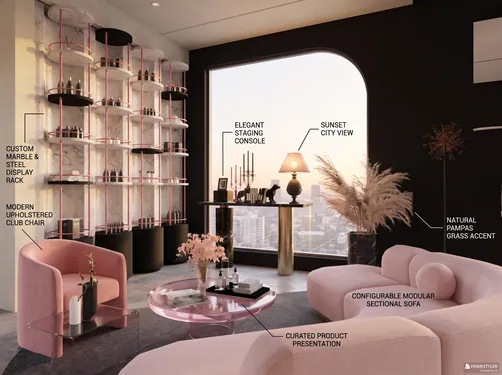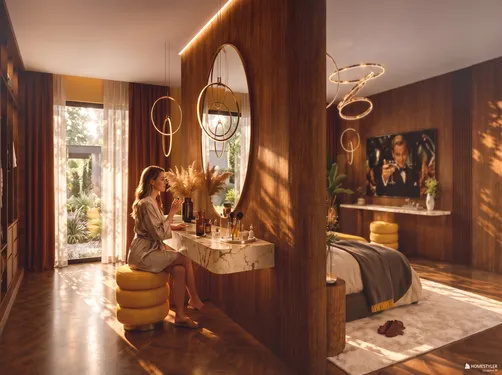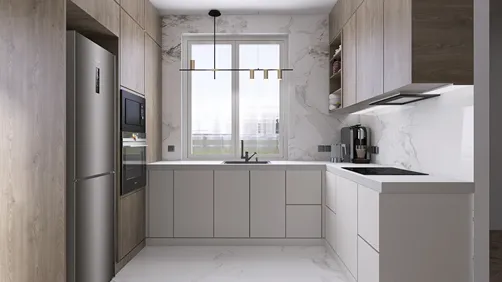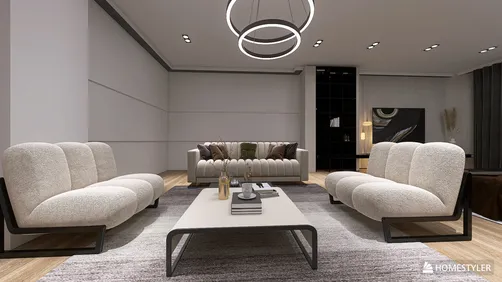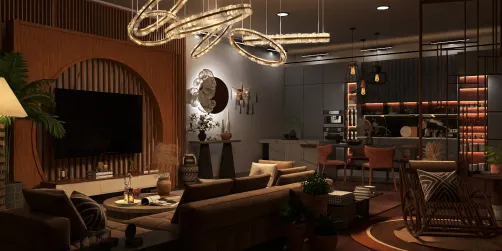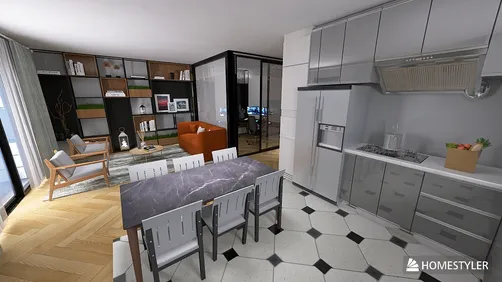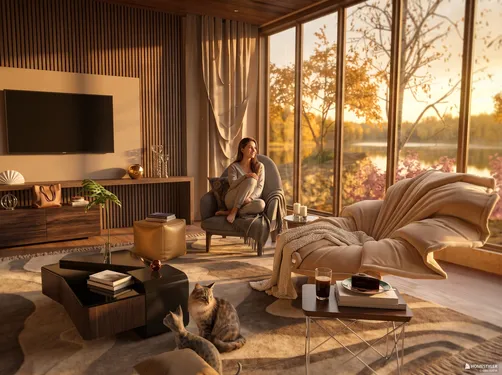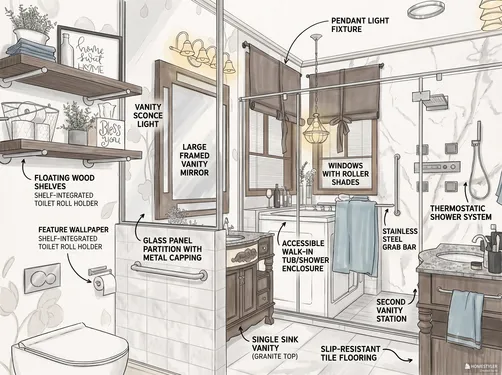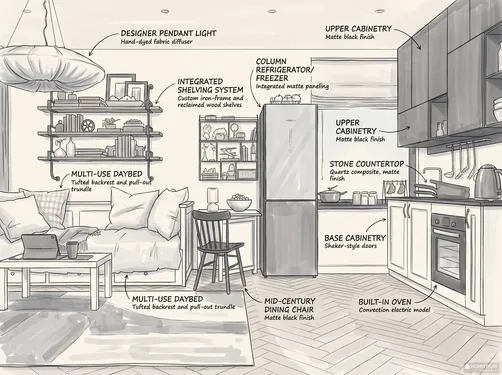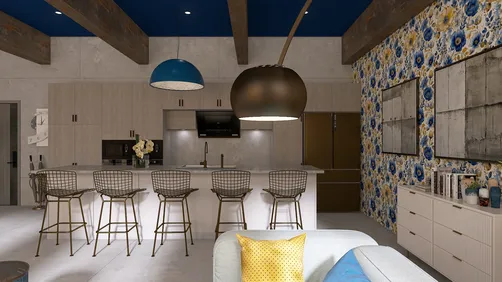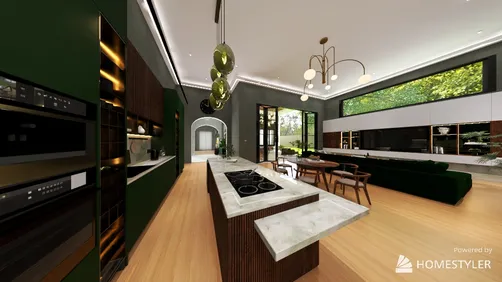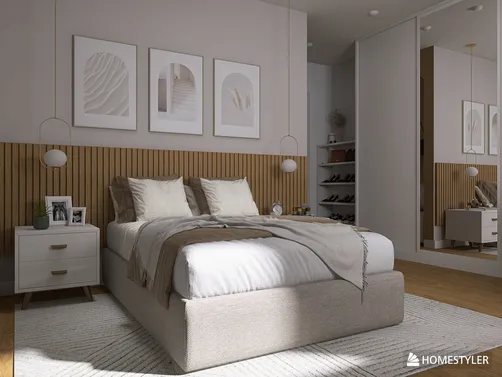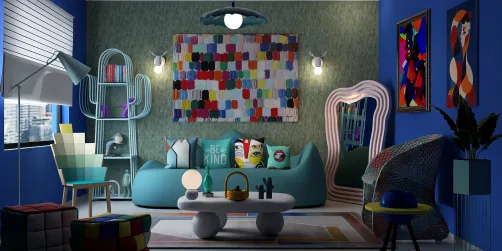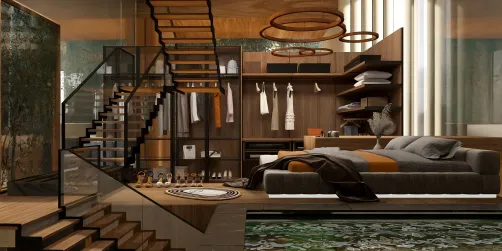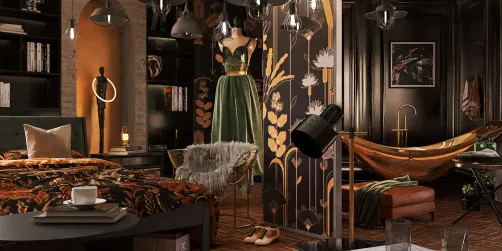
The core design challenge of the Modern Organic Furniture style lies in balancing a seamless integration of natural materials with contemporary aesthetics, all while maintaining functional spatial harmony. The organic shapes, textures, and colors inherent in this style draw inspiration from nature’s fluidity and irregularity, which can conflict with the structured logic often demanded by interior spaces. Designers must navigate this tension by creating interiors that feel both grounded and inviting, without descending into rustic clichés or sterile minimalism. The juxtaposition of smooth, flowing furniture lines against architectural geometry demands careful attention to scale and proportion, ensuring spaces feel cohesive rather than fragmented. The tactile nature of organic materials requires a thoughtful approach to preservation and pairing – wood grains, stone finishes, and woven textiles must be curated to complement rather than compete. Moreover, given the style’s emphasis on authenticity, sourcing bespoke or artisan-crafted pieces is essential but often laborious, compounding the complexity of realization. Another key difficulty is lighting: achieving an ambiance that highlights natural textures without harsh shadows or overly clinical brightness is a subtle yet vital art. From a color perspective, muted earth tones need to be layered with tonal variations to avoid monotony while respecting the integrity of the organic palette. Allowing these elements to coexist harmoniously creates interiors that feel simultaneously modern, sustainable, and personal—a design feat that rewards meticulous planning and sensitive execution.
Step 1: Layout Logic — Spatial Proportion and Furniture Arrangement
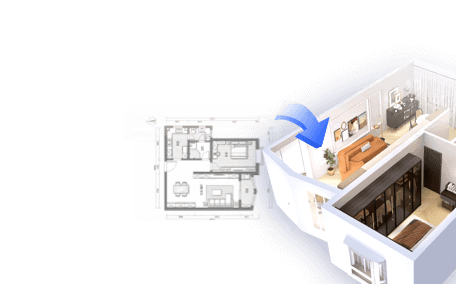
Achieving the right spatial proportion is paramount when working with Modern Organic Furniture. Start by evaluating the room’s dimensions and ceiling height, as organic furniture pieces tend to be chunky with soft rounded edges that can consume visual space. Use scaled drawings or 3D models to test furniture groupings before physical placement. Arrange larger sofas or chairs as anchor points, and create conversational clusters that encourage organic flow rather than rigid lines. Avoid crowding by leaving negative space around each main piece; this breathing room enhances the organic forms and prevents visual chaos. Mix furniture heights strategically—pair low, rounded seats with taller, linear shelving to balance vertical and horizontal movements. Use area rugs in irregular, natural shapes to echo the furniture’s curves and subtly define zones without harsh edges. When positioning, maintain sightlines that reveal materials and craftsmanship, favoring gentle curves over sharp corners to soften the overall composition. Complement seating with side tables crafted from natural materials such as wood slabs or stone to reinforce the organic theme while serving functional needs. Avoid placing too many identical pieces which can break the naturalistic rhythm; instead, incorporate subtle variations in texture and finish across furniture to add depth and interest. Because modern organic style thrives on authenticity, plan for furniture arrangement that highlights artisanal details — leave enough space for tactile appreciation and visual connectivity to the room’s natural elements.
Step 2: Light and Color — Tone Selection and Light Source Matching
In the Modern Organic Furniture style, lighting must be as thoughtfully curated as the furniture itself. Begin by selecting warm, soft light sources that mimic natural sunlight to enhance the tactile nature of wood and woven elements. Use layered lighting strategies combining ambient, task, and accent lighting to orchestrate moods throughout the day. Avoid overly bright or cool-toned bulbs that contrast harshly with earth-toned hues and organic textures. Utilize fixtures made from raw or natural materials such as rattan pendants, wooden sconces, or stone-based table lamps, integrating light sources into the organic aesthetic. When choosing paint tones and accents, prioritize earthy palettes—consider warm ochres, muted terracottas, soft moss greens, and creamy ivories. These colors not only anchor the furniture’s natural materials but also create a comforting backdrop that avoids visual fatigue. Use matte or low-sheen finishes on walls and cabinetry to reduce glare and maintain softness. To add visual layers, incorporate textiles with subtle tonal variations in cushions, throws, or window treatments that play well with the natural light filtering in. Consider the direction and intensity of natural daylight when placing key pieces—maximize exposure to enhance color saturation and shadow play on curved surfaces. Strategic use of mirrors or reflective surfaces can amplify natural light without detracting from the organic authenticity. Lighting controls should allow dimming to shift between functional and atmospheric settings, sustaining the furniture’s appeal from day through night.
Step 3: Finishing Touches — Small-Scale Models to Enhance Overall Texture
Small decorative objects play a crucial role in rounding out the Modern Organic Furniture look by introducing texture, pattern, and narrative detail without overwhelming the space. Opt for accessory pieces crafted from natural materials such as ceramic vessels with raw glazes, handwoven baskets, or small wooden sculptures that echo the furniture’s aesthetic. Group these thoughtfully in odd numbers on sideboards or shelves to create balanced focal points that invite tactile interaction. Choose plants with organic shapes—such as succulents in rough clay pots or trailing ivy—to infuse living texture and freshen the ambiance. Use textiles in natural fibers such as linen, wool, or cotton in neutral or earth-toned hues to layer softness and visual warmth—cushions, throws, and rugs function as subtle retreats from hard surfaces. Lighting accents such as candles in sanded glass holders or diffusers in stone vessels can enhance sensory experience while reinforcing the natural vibe. For wall art, select works that explore organic shapes, botanical motifs, or abstract earth tones, framed minimally to avoid distraction. Keep decorative items minimal but intentionally curated, avoiding clutter that contradicts the style’s emphasis on authenticity and simplicity. Incorporate artisanal crafted objects whenever possible to emphasize handmade individuality. These details knit together the organic furniture into a coherent narrative, enhancing the user’s sense of connection to natural materials and forms.
Designing the Look
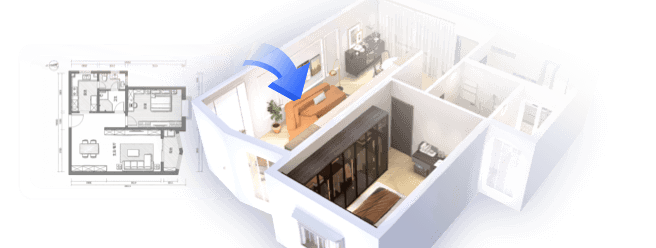
For designers working in Homestyler, the Modern Organic Furniture is a practical shortcut to authenticity. it removes the guesswork from sourcing — every piece is pre-matched in scale, material, and proportion to deliver a coherent modern organic furniture result.

Cafe Counter-Coffee Shop

coffee machine-Coffee Shop

bookcase-Library Furnishings
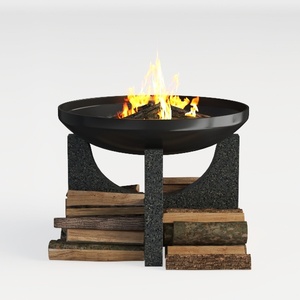
Bonfires-Autumn Fire Pit

cafe storefront-Coffee Shop
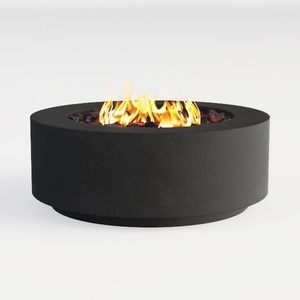
Bonfires-Autumn Fire Pit
FAQ
Q1: How can I ensure furniture scale complements smaller rooms in the Modern Organic Furniture style?
Start by selecting pieces with slimmer profiles and avoid oversized forms in tight spaces. Use multifunctional furniture such as ottomans or nesting tables that maintain organic shapes but provide spatial flexibility. Keep circulation paths clear and utilize light colors and mirrors to create a sense of openness while retaining textural richness.
Q2: What lighting options best enhance natural textures without overwhelming organic furniture?
Opt for warm white LEDs, dimmable fixtures, and layered lighting with multiple sources to control intensity throughout the day. Use diffusers or soft fabric lampshades to reduce glare. Accent lighting placed at low angles can highlight wood grain and woven surfaces effectively.
Q3: How to balance organic textures with modern minimalist architectural elements?
Introduce organic furniture as statement pieces against simple, clean wall planes and flooring. Use color and material restraint by limiting surfaces to neutral tones, allowing the furniture’s texture and curves to stand out. Incorporate indirect lighting and minimalistic accessories to maintain contrast without visual clutter.
Built on technology originally developed at Autodesk, Homestyler empowers anyone to design beautiful, realistic spaces in minutes. Join over 20+ million registered users (platform data, 2026) who have already discovered a smarter way to plan, visualize, and bring their dream homes to life — all from the comfort of a browser.
Design your ideal space with Homestyler, turn your creativity into reality, and craft a unique home style that is truly your own.
지금 무료로 디자인하세요