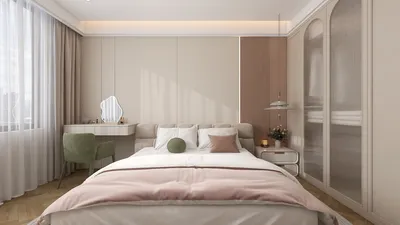


What is the most common core problem in Modern Opulence design?
The most common core problem in Modern Opulence design is achieving balance between lavish detail and visual harmony without overwhelming the space.
Quick Takeaways
1. Over-accessorizing leads to visual clutter. 2. Disproportionate furniture ruins spatial harmony. 3. Mixing too many stylistic elements dilutes the core aesthetic. 4. Neglecting texture contrast results in flat interiors. 5. Poor lighting choice weakens opulent atmosphere.
Introduction
I have observed how designers often struggle with Modern Opulence because its very nature demands a delicate balance between lavishness and restraint. The allure of rich materials and intricate details can tempt one to overindulge, leading to spaces that feel heavy rather than luxurious. This style requires an understanding of proportion, texture layering, and a precise color palette. Without firm attention to these elements, the final outcome can fall into a trap where intentions of sophistication become visual chaos. Designers must know where to draw lines and how to orchestrate elements so that each complements rather than competes.
Why It Goes Wrong
Modern Opulence falters primarily due to an imbalance between decorative richness and spatial coherence. This style encourages intricate detailing, yet when designers exceed visual limits, the result becomes a crowded environment. Further, the tendency to merge multiple luxe styles without a defined hierarchy leads to confusing interiors. Inappropriate scale relationships between furnishings and room size can amplify the sense of disorder. Additionally, ignoring texture contrast flattens layers vital for depth within opulent spaces. These missteps stem less from lack of creativity than from misjudging restraint and balance intrinsic to the aesthetic.
The Mistake 1
The Mistake: Over-accessorizing the space with too many decorative objects, excessive metallic finishes, and layered patterns. Why It Happens: Designers often believe more ornamentation equals more luxury, so they overload surfaces and corners trying to showcase richness. The Fix: Limit accent pieces to no more than three per visual zone and balance metallics by pairing them with matte or soft textures. Stick to one or two complementary patterns max and allow breathing room to create intentional focus.
The Mistake 2
The Mistake: Using furniture sizes and scales disproportionate to the room dimension, leading to awkward spatial flow. Why It Happens: There is a misconception that larger, more ornate furnishings automatically portray opulence, prompting mismatched proportions. The Fix: Measure and plan spatial layout to maintain a minimum of 30-36 inches between furniture pieces for comfortable movement. Choose statement pieces where proportion enhances rather than crowds the environment.
The Mistake 3
The Mistake: Mixing multiple luxe styles—such as Baroque, Art Deco, and Minimalist Modern—without clear aesthetic direction. Why It Happens: The temptation to fuse several elegant design influences can cause stylistic confusion rather than cohesion. The Fix: Define a primary opulent style and select secondary accents that subtly complement without overpowering. Create a mood board to enforce consistent theme language across elements.
The Mistake 4
The Mistake: Relying heavily on single texture types, such as gloss or velvet, resulting in a flat and monotonous surface experience. Why It Happens: Either through oversight or lack of material knowledge, designers underestimate the importance of texture contrast in opulent design. The Fix: Combine textures with varying sheens and tactile qualities—silk with wood grain, velvet with polished marble—to produce layered depth. Aim for at least three distinct textures per room.
The Mistake 5
The Mistake: Inappropriate or insufficient lighting that fails to highlight luxurious details and ambiance. Why It Happens: Lighting is often an afterthought; designers may select fixtures based on style alone instead of functionality and layering. The Fix: Implement layered lighting—ambient, task, and accent—with dimmers to control mood. Use fixtures with metallic finishes or crystal elements that echo the overall opulence.
Designing the Look
Homestyler’s ‘Modern Opulence’ offers a comprehensive set of ready-to-use 3D models specifically curated to embody this aesthetic, allowing designers to achieve authentic results with professional-grade textures and forms.

Modern Two Tone Velvet Fabric Accent Armchair with Throw Pillow 3D Model

Modern Leather Metal Round Nesting Coffee Table 3D Model


Modern Marble Top Solid Wood Metal Round Coffee Table 3D Model

Modern Black Marble Gold Metal Dining Table 3D Model

Modern Velvet Upholstered King Bed with Matching Nightstands 3D Model
FAQ
Q1: How can I make a small room feel luxurious in Modern Opulence style?
Keeping a small room luxurious requires careful balance between richness and openness. Choose smaller scale furniture with sleek profiles yet opulent materials like velvet or polished metal. Use light neutral colors with pops of jewel tones to evoke elegance without overcrowding. Incorporate mirrors or reflective surfaces to amplify light. Minimal accessories and strategic lighting with warm tones help maintain an inviting, spacious feel that honors the style’s grandeur.
Q2: What colors best represent Modern Opulence?
Modern Opulence thrives on rich, sophisticated palettes. Deep jewel tones such as emerald green, sapphire blue, and amethyst purple anchor the look, paired with warm metallics—gold, brass, or bronze. Neutral bases in cream, taupe, or charcoal provide balance. Subtle contrasts rather than overly bright hues foster understated luxury. Consistency across textiles, walls, and furnishings enhances cohesive richness intrinsic to this style.
Q3: How do I incorporate modern technology without disrupting the opulent aesthetic?
Integrating technology subtly is key. Choose appliances and devices with clean lines and finishes like black, white, or metallic to blend with the palette. Conceal wiring and controls using cabinetry or design elements. Use smart lighting systems with customizable scenes that complement layered traditional fixtures. Avoid bulky or overly futuristic gadgets that clash with classic opulence; instead, prefer sleek, unobtrusive models that harmonize with the luxurious interior.
Homestyler's roots trace back to Autodesk, the global leader in design and engineering software. That heritage lives on in every feature we build. Today, with a community of more than 18 million users worldwide, Homestyler continues to make professional-quality interior design accessible to everyone — from first-time decorators to seasoned architects.
Homestyler's powerful 3D rendering feature brings your design concepts to life with incredible detail.
تصميم الآن مجانا
































