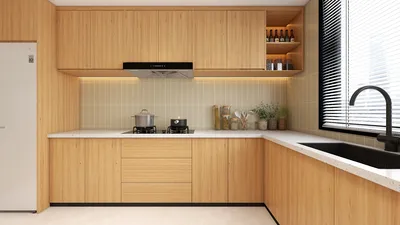


Introduction
Modern American style emerges from a synthesis of simplicity and comfort, merging the traditional values of American home design with contemporary sensibilities. This style is defined by an emphasis on functional aesthetics that reject unnecessary embellishments while embracing warmth and subtle sophistication. Rooted in the cultural heritage of American craftsmanship, it incorporates natural materials and a balanced color narrative to create spaces that feel both inviting and refined. The philosophy behind Modern American design reflects a pursuit of harmony between practicality and visual appeal, fostering environments that accommodate modern lifestyles without sacrificing timeless charm. It celebrates clean lines alongside subtle textures and understated elegance, crafting interiors that resonate with comfort and poise. This design approach honors the American tradition of open, airy living spaces but reinterprets it through a modern lens, ensuring adaptability and freshness without overwhelming the senses. In essence, it navigates the tension between modern minimalism and traditional warmth, offering a uniquely approachable yet sophisticated home aesthetic.
Core Elements
A fundamental characteristic of Modern American interiors is the use of color. This style favors a neutral and calming palette dominated by shades of taupe, cream, soft grays, and muted blues. These colors establish a serene foundation that enhances natural light and expands the perceived space without coldness. Accents often emerge in deeper hues such as navy or rich browns that evoke a sense of groundedness and tradition. The palette seeks balance: it is neither stark nor overly vibrant but purposefully subtle to maintain an enduring appeal. The mastery of this color approach lies in its versatility, enabling designers to craft rooms that feel cohesive and adaptable across seasons and evolving personal tastes. Each color choice supports the goal of creating a relaxed yet sophisticated atmosphere, allowing other design principles to assert themselves without clash.
The material selection in Modern American design is another essential pillar. It marries the authenticity of natural textures with the durability required for everyday living. Wood plays a prominent role, often showcased in medium to dark stains that reveal grain patterns without overwhelming the senses. Complementary materials include brushed metals, such as brushed nickel or matte bronze, that add subtle industrial notes without disrupting the warm base. Upholstery materials range from natural cottons and linens to supple leather, contributing both tactile contrast and visual depth. Stone surfaces, especially matte-finished marble or granite, provide understated luxury while maintaining practicality. This combination of materials speaks to a heritage of quality craftsmanship and grounded elegance, yielding interiors that communicate authenticity and comfort in equal measure.
Modern American interiors are recognized for their clean, balanced forms that emphasize simplicity and comfort. Architectural elements and furniture pieces tend to feature straight, streamlined silhouettes that avoid unnecessary ornamentation but retain a sense of approachable refinement. Sofas and chairs display tailored shapes, often with gently rounded edges that soften the geometry and encourage a welcoming ambiance. Built-in cabinetry and shelving integrate seamlessly with the layout, facilitating organization without disrupting flow. Lighting fixtures adopt minimalist but impactful designs, such as simple drum shades or geometric pendants in muted metals, fulfilling functional demands while contributing sculptural interest. This disciplined approach to form ensures that every component harmonizes, allowing spaces to breathe and supporting a fluid living experience that feels both timeless and dynamic.
Designing the Look
Homestyler’s ‘Modern American’ offers a comprehensive set of ready-to-use 3D models specifically curated to embody this aesthetic, allowing designers to achieve authentic results with professional-grade textures and forms. This resource simplifies the design process by providing meticulously crafted models that capture the essence of Modern American style through accurate color schemes, material finishes, and furniture forms. Whether working on residential or commercial interiors, designers can experiment with customizable layouts and lighting scenarios, ensuring an immersive preview before implementation. The granularity of these 3D assets spans essential elements such as cabinetry, sofas, lighting, and flooring, enabling cohesive thematic unity in project presentations or client walkthroughs. This integration of digital precision with the nuanced warmth of Modern American design facilitates both creative exploration and efficient decision-making. Furthermore, the models’ adaptability allows the style’s core traits—balanced hues, genuine materials, and refined shapes—to translate effectively across diverse spatial configurations, empowering designers to maintain fidelity to the aesthetic without sacrificing innovation. Consequently, this tool turns conceptual ideas into tangible environments reflecting calm sophistication and inviting comfort. By leveraging these expertly developed models, design professionals benefit from accelerated workflows and enhanced visualization capabilities that reinforce Modern American’s enduring appeal.

dining table-Modern American

bed-Modern American

wall art-Modern American

pedestal sink-Modern American

lavender-Modern American

single sofa-Modern American
FAQ
Q1: What distinguishes Modern American style from other modern interior design styles?
Modern American style is distinct in its integration of traditional American warmth with modern simplicity. Unlike purely minimalist or industrial designs, it balances neutral color palettes with rich natural materials and aims for functional comfort without harsh minimalism. It embraces both heritage and contemporary sensibilities, creating spaces that feel timeless yet fresh.
Q2: How can I incorporate authentic materials typical of Modern American design in a budget-conscious project?
Prioritize key statement pieces in genuine wood or leather, such as a wooden dining table or a leather sofa, while supplementing with high-quality faux finishes or fabrics elsewhere. Reclaimed wood and composite stone can serve as economical alternatives that retain authentic textures. Layering these materials with thoughtfully selected textiles and neutral colors helps maintain the overall style without excessive cost.
Q3: Are there lighting considerations unique to Modern American interiors?
Lighting should complement the style’s warm, inviting nature, favoring fixtures with clean lines and muted metal finishes like brushed nickel or bronze. Layered lighting strategies—combining ambient, task, and accent lights—enhance both functionality and ambiance. Avoid overly ornate or ultra-modern designs that conflict with the understated aesthetic. Natural light is maximized by using light-filtering window treatments and reflective surfaces within the palette.
Homestyler's roots trace back to Autodesk, the global leader in design and engineering software. That heritage lives on in every feature we build. Today, with a community of more than 18 million users worldwide, Homestyler continues to make professional-quality interior design accessible to everyone — from first-time decorators to seasoned architects.
Homestyler supports multiple platforms, allowing you to work on your interior design anytime, anywhere.
Progetta ora GRATIS
































