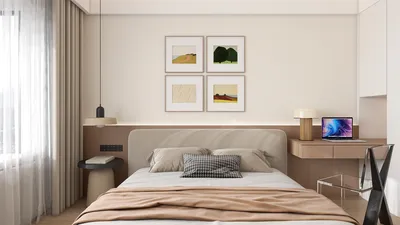


What is the most common fundamental issue in Minimalist Elegance interiors?
The frequent core issue lies in insufficient restraint that leads to clutter and diluted minimalism.
Quick Takeaways
1. Minimalist Elegance demands rigorous balance between space and form. 2. Excess elements diminish the style's refined simplicity. 3. Precise scale and proportion are critical. 4. Harmonizing materials without ornamentation is essential. 5. Authentic textures anchor the understated aesthetic.
Introduction
My experience with the Minimalist Elegance style shows that its elusive purity often gets compromised. Many designers, while striving for sophistication, unintentionally introduce clutter or mismatched components, which betray the minimalist principle of less is more. Without strict discipline in design decisions, the style can easily drift toward an uninspired or inconsistent environment. Navigating these subtleties requires acute awareness of subtle balances and restraint, factors that are often underestimated.
Why It Goes Wrong
Minimalist Elegance frequently falters because of an oversaturation of decorative elements, misunderstanding of spatial dynamics, or attempts to merge conflicting styles. When the foundational principle of purposeful simplicity is lost, interiors become visually noisy, failing to evoke the refined calm that the style promises. The root cause often traces back to inadequate spatial editing and lack of deliberate design order.
Mistake 1: Over-decoration
The Mistake: Using too many ornamental objects or textures that clutter the space. Why It Happens: Designers sometimes equate elegance with abundance, mistakenly adding items to create visual interest. The Fix: Limit decorative items to a maximum of three meaningful pieces per room, emphasizing quality over quantity and maintaining clean surfaces.
Mistake 2: Imbalanced Proportions
The Mistake: Furniture or décor elements that are too large or too small relative to the room’s scale. Why It Happens: Lack of spatial assessment causes disproportionate selections that disturb harmony. The Fix: Measure spatial dimensions rigorously; choose furnishings sized to occupy around 60–70% of usable floor space, preserving open breathing room.
Mistake 3: Style Confusion
The Mistake: Mixing Minimalist Elegance with incompatible styles such as rustic or maximalist. Why It Happens: Designers attempt eclectic blends without cohesive theme boundaries. The Fix: Commit to the minimalist narrative strictly, by selecting streamlined, elegant materials and forms; avoid decorative excess and flamboyant details.
Mistake 4: Poor Material Harmony
The Mistake: Clashing textures or finishes that interrupt the gentle flow of the minimalist palette. Why It Happens: Misunderstanding of subtle material relationships and tactile consistency. The Fix: Choose natural materials with complementary tones, such as matte wood with soft stone, limiting finish contrasts to two or three variations max.
Mistake 5: Neglecting Texture and Form Precision
The Mistake: Using generic or flat textures that fail to communicate understated elegance. Why It Happens: Overlooking texture refinement as an essential design element. The Fix: Incorporate professional-grade materials with nuanced textures and crisp forms; finely tune surfaces to subtly engage the senses without overwhelming.
Designing the Look
Homestyler’s ‘Minimalist Elegance’ offers a comprehensive set of ready-to-use 3D models specifically curated to embody this aesthetic, allowing designers to achieve authentic results with professional-grade textures and forms.

staircase-Minimalist Elegance


Minimalist Dark Fabric Modular Sectional Sofa 3D Model

Modern Velvet Tufted Chaise Lounge with Side Table 3D Model

Minimalist Marble Top Metal Base Coffee Table 3D Model
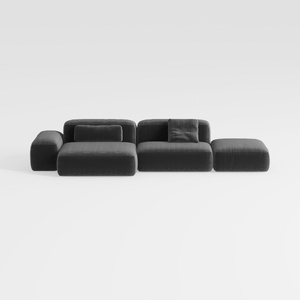
Minimalist Dark Velvet Modular Sectional Sofa 3D Model
FAQ
Q1: How can I maintain warmth in a Minimalist Elegance interior without losing its minimalistic integrity?
To maintain warmth, focus on natural materials like light woods, soft linens, and gentle lighting. Using a restrained palette with soft neutrals and incorporating tactile elements—such as textured rugs or cushions—adds cozy layers without violating minimalist purity. Avoid overly shiny or cold surfaces that can feel sterile.
Q2: What color schemes work best to express Minimalist Elegance?
Minimalist Elegance thrives on restrained, neutral color schemes. Whites, warm beiges, soft greys, and muted earth tones provide a calm backdrop. Accents should be subtle, limited to a monochromatic range or gentle contrasts with natural hues. Bold or bright colors risk overpowering the simple elegance of the style.
Q3: How do I select furniture that complements Minimalist Elegance without making the room feel sparse or cold?
Choose furniture with clean lines, balanced proportions, and unembellished profiles made from premium materials. Pieces should serve a functional purpose and exhibit craftsmanship. Incorporate a limited number of statement elements—like a sculptural chair or a refined side table—that lend character while preserving the overall minimalism. Additionally, layering with soft textiles can temper starkness without clutter.
What began as an Autodesk innovation has evolved into a design platform used by more than 18 million people around the globe. Homestyler combines powerful rendering, an intuitive editor, and a vast furniture library to help you turn inspiration into photorealistic designs — whether you're redesigning a single room or planning an entire home.
Homestyler's powerful 3D rendering feature brings your design concepts to life with incredible detail.
Design Now for FREE
































