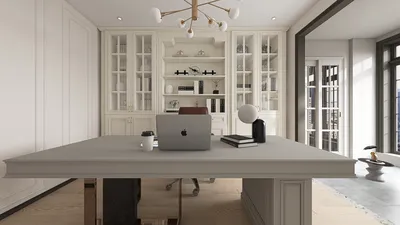


Minimalist Elegance finds its core design challenge in balancing simplicity with sophistication to create a refined living environment without sacrificing warmth or functionality. The style demands an acute sensitivity to proportion, material selection, and tactile contrast, requiring an approach that strips away excess clutter while maintaining visual interest and comfort. Its essence lies in the delicate interplay of clean lines, muted palettes, and carefully curated elements that engage the senses subtly. This approach challenges designers to think beyond decorative excess and focus on crafting spaces that feel expansive yet intimate, purposeful yet inviting. The main difficulty resides in achieving equilibrium between emptiness and richness. Overly sparse interiors risk appearing cold and unwelcoming; excessive additions can undermine the minimalist ethos. Designers must therefore navigate a path where every piece, from furniture to accessories, earns its place by contributing to an understated narrative. The goal is a serene, orderly environment that whispers quality rather than shouts extravagance. Textural layering plays a crucial role here. In absence of heavy ornament, surfaces and finishes become voices of character—matte woods, brushed metals, natural fibers, and subtle patterning create sensory depth. Lighting must be orchestrated not just for function but atmosphere, accentuating volumes and shapes to complement the restrained design language. Color palettes, generally subdued, carry weight by tonal variation and contrast. Another challenge is the spatial flow. Because the style favors open, uncluttered areas, each zone's purpose must be clearly distilled to avoid ambiguity and disorder. Furniture scales are moderate yet deliberate, ensuring that circulation is free and visual lines remain simple and inviting. Achieving this spatial clarity while ensuring practical comfort demands careful planning and restraint. Minimalist Elegance therefore demands precision and intentionality at every design decision. It is not void or absence, but a considered presence—a crafted harmony of form, function, and sensory subtlety. Overcoming its challenges results in living spaces that are tranquil yet dynamic, simple yet imbued with quiet luxury.
Step 1: Layout Logic — Spatial Ratios and Furniture Placement
The structural anatomy of a Minimalist Elegance interior relies heavily on spatial proportioning and strategic furniture arrangements. First, begin by mapping out clear zones within the room according to function — seating, movement, and display. Use the golden ratio or simple thirds to guide placement, ensuring that no area feels overcrowded or disproportionately empty. Select furniture that complements the room’s dimensions, favoring streamlined profiles with scaled-back silhouettes to prevent visual heaviness. Position key pieces, such as sofas or tables, to create natural conversation clusters without crowding. Avoid pushing every item against walls; instead, let some pieces float to define areas organically while maintaining an airy feel. Leave deliberate negative space around major furniture to highlight shapes and enable easy traffic flow. Use modular furniture where possible to maintain versatility without sacrificing style. Incorporate multi-function elements—such as side tables that double as storage—to minimize clutter surfaces. Keep cushions and upholstery simple and tailored, reflecting the minimalist aesthetic. Avoid complex symmetrical arrangements. Instead, aim for balance through asymmetry and rhythm by varying the height, texture, and form of pieces. This keeps the environment dynamic while adhering to ordered restraint. When arranging furniture, ensure that sight lines remain uninterrupted, allowing natural light and room proportions to read clearly. Incorporate built-in storage discreetly to keep everyday items out of sight, preserving the uncluttered timelessness key to Minimalist Elegance. Consider floating shelves or recessed niches with minimal profiles to merge function and visual calm. Finally, dimensionally, avoid oversizing – smaller, well-crafted pieces encourage openness and dialogue between furniture and architecture. Through this descended organization and meticulous attention to spatial logic, the furniture layout becomes the backbone of a Minimalist Elegance scheme—quietly confident, wildly respectful of flow, and endlessly adaptable.
Step 2: Light and Shadow — Tone Selection and Lighting Integration
The marriage of light and color is vital for invoking the refined atmosphere that defines Minimalist Elegance. For color palettes, select soft neutral bases — cool grays, earthy beiges, or muted greyscale whites — nuanced with gentle undertones to add warmth and complexity. The aim is to create a soothing yet vibrant backdrop which enhances architectural details and furnishings rather than competes. Introduce strategic accent colors sparingly—deep charcoals, subtle olive greens, or faint blues—to provide visual anchors without overwhelming restraint. Avoid high saturation or busy patterns; the preference leans toward tonal layering which can be revealed at different lighting levels. Lighting layers the palette emotionally, so integrate a combination of ambient, task, and accent light sources. Opt for concealed LED strips or recessed downlights for soft daytime ambient glow, maintaining clean sightlines. Adjustable wall sconces with minimalist designs contribute to mood adjustments and lend sculptural interest. Task lighting should be minimal and sleek—think linear pendants above dining surfaces or simple desk lamps in work nooks, providing focused illumination without visual clutter. Accent lighting serves to highlight textures: a softly angled spotlight on a tactile surface or a warm glow behind shelving helps draw the eye and adds dimensional depth. Embrace natural light by maximizing window exposure with sheer treatments or motorized blinds that maintain privacy yet diffuse daylight gently. Reflective surfaces like matte metallic décor pieces or glass accents can enhance light play without compromising the understated look. Finally, avoid mixing inconsistent color temperatures. Choose warm whites or neutral lights to unify the environment, ensuring all fixtures contribute to a cohesive, serene visual rhythm. Precise control via dimmers or smart lighting systems allows tailoring moods from bright functional to calm relaxation. This calibrated symbiosis of tone and illumination defines the sensory elegance of Minimalist Elegance, balancing cool austerity with inviting glow seamlessly.
Step 3: Finishing Touches — Small-Scale Models to Elevate Texture and Depth
Refinement in Minimalist Elegance arises not from volume but from subtle, carefully curated details. Introduce small-scale models and decorative accents with deliberate simplicity yet high craftsmanship, which add layers of interest without creating noise. For example, select sculptural ceramics with matte finishes or smooth metallic vases that emphasize form and texture. Use unpretentious artisanal objects that speak quietly through surface quality—soft linen cushions, handwoven throws, or natural wood bowls. These tactile contrasts enrich sensory perception and invite touch, key to inhabiting the minimalist aesthetic authentically. Avoid excessive accessorizing; instead, highlight a few high-impact pieces per space to maintain clarity. Consider the scale rigorously—too large, and the item's presence overwhelms; too small, it risks insignificance. Placement is equally critical: cluster items thoughtfully to produce balanced asymmetry or isolate a statement piece to maximize its visual weight. Incorporate greenery subtly—low-maintenance succulents or simple monochromatic plant pots contribute life and softness, fostering harmony with natural materials in the room. Functional objects doubling as design elements fit perfectly: streamlined trays, minimal lighting fixtures, or sleek hardware. These echo the stylistic language while enhancing utility. Textures should be consistent yet diverse enough to spark tactile engagement—matte stone counters juxtaposed with brushed steel accents, soft wools paired with smooth leathers. Through these accents, an elevated depth and warmth emerge within the restrained Minimalist Elegance framework. Weaving such thoughtful small-scale touches ensures the space reads as deliberate and lived-in rather than bare, anchoring minimalist principles in human comfort.
Designing the Look
For designers working in Homestyler, the Minimalist Elegance is a practical shortcut to authenticity. It removes the guesswork from sourcing — every piece is pre-matched in scale, material, and proportion to deliver a coherent Minimalist Elegance result.

staircase-Minimalist Elegance


Minimalist Dark Fabric Modular Sectional Sofa 3D Model

Modern Velvet Tufted Chaise Lounge with Side Table 3D Model

Minimalist Marble Top Metal Base Coffee Table 3D Model
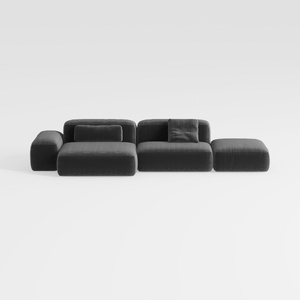
Minimalist Dark Velvet Modular Sectional Sofa 3D Model
FAQ
Q: How can I ensure the furniture scale is correct in a Minimalist Elegance layout?
A: Begin by measuring the space thoroughly and determining circulation paths to prevent overcrowding. Use proportionate furniture pieces that are neither too bulky nor too small relative to room dimensions. Employ templates or CAD tools to visualize arrangements before purchasing.
Q: What are effective lighting strategies for emphasizing texture without adding clutter?
A: Utilize layered lighting with dimmable LEDs, recessed fixtures for ambient light, and directional accent lights to bring out surface details. Keep fixtures minimal and consistent in color temperature to maintain visual calm.
Q: How do I incorporate decorative elements without disrupting minimalism?
A: Select a few high-quality pieces with simple forms and tactile materials. Group objects asymmetrically for visual interest while limiting quantity. Prioritize natural materials and handmade items that offer subtle textures over flashy or complex designs.
Built on technology originally developed at Autodesk, Homestyler empowers anyone to design beautiful, realistic spaces in minutes. Join over 18 million users who have already discovered a smarter way to plan, visualize, and bring their dream homes to life — all from the comfort of a browser.
Homestyler is a professional interior design software that helps users effortlessly create their dream home.
Design Now for FREE
































