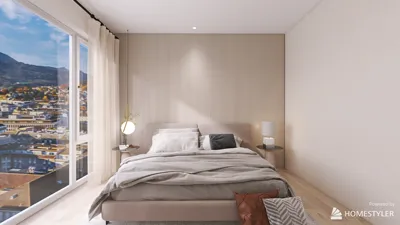


Minimalist Elegance is an aesthetic paradigm where restraint meets refinement, emphasizing the beauty found in less while demanding uncompromised quality. Emerging from the modernist lineage yet distinct in its pursuit of serene sophistication, this style rejects excess and decoration, focusing instead on purposeful simplicity balanced with elegant details. Rooted in a philosophy that values clarity, calmness, and subtle luxury, Minimalist Elegance transforms spaces into serene environments that favor functional purity without sacrificing visual warmth. This style reflects an intentional design process, where every element is carefully curated to support a balanced ambiance, creating interiors that feel both spacious and intimately welcoming. The foundational idea is not mere reduction but an artful orchestration of space, light, and material, resulting in environments that breathe gracefully. This aesthetic challenges designers to harness the power of selective use of color, texture, and form – each dimension plays a critical role in evoking a composed yet inviting atmosphere. Embracing Minimalist Elegance means crafting a visual narrative that is at once understated yet undeniably sophisticated. By focusing on quality over quantity, this style seamlessly integrates into contemporary lifestyles, offering settings that are adaptable, timeless, and inherently refined.
The color vocabulary of Minimalist Elegance is subtle yet deeply evocative. It favors a restrained palette dominated by soft neutrals—off-whites, muted beiges, gentle greys, and delicate pastels—which evoke a sense of calm and openness. These colors serve as a canvas that enhances natural light and emphasizes spatial flow. Occasionally, deeper accent tones such as charcoal, matte black, or rich earthy hues appear to anchor the composition, preventing the interior from feeling flat or sterile. The interplay between these tones is meticulous, ensuring cohesion and visual balance throughout the space. The palette is never loud or disruptive; rather, it unfolds with a quiet sophistication that invites relaxation and mindfulness. Designers often select colors that subtly shift under different lighting conditions, adding a dynamic quality to the space without resorting to dramatic contrasts or bold statements. Such thoughtful chromatic restraint underlines the philosophical underpinning of Minimalist Elegance – simplicity that enriches rather than diminishes the visual experience. This approach requires expert sensitivity to how colors interact with textures and forms, ultimately crafting environments that feel light, airy, and inherently peaceful.
Materiality occupies a pivotal role in achieving the refined atmosphere that Minimalist Elegance demands. The style privileges high-quality, authentic materials with natural and tactile qualities that invite touch and create visual richness without unnecessary ornamentation. Matte finishes, smooth stones, finely grained wood, and subtly brushed metals populate the palette of surfaces. Textural contrasts are keenly balanced—for example, pairing a silky matte plaster wall with a softly textured linen upholstery or a polished marble countertop set against raw timber—creating nuanced layers within the restraint. The materials chosen are durable and timeless, rejecting superficial trends in favor of enduring quality. This intentional choice reflects a commitment to sustainability and longevity, emphasizing an ethical and considered approach to design. The tactile experience is as important as the visual; the materials encourage calmness through their subdued presence but reward close inspection with complexity and warmth. The overall material composition evokes familiarity without heaviness, maintaining an uncluttered essence while offering sensory depth. This foundation sets Minimalist Elegance apart from more barren or clinical minimalist iterations, striking a harmonious balance between austerity and comfort.
The form language in Minimalist Elegance is distinguished by clean, streamlined, and purposeful shapes that eschew superfluous detail. Furniture and architectural elements emphasize geometry with soft edges, subtle curves, or perfectly executed right angles, promoting a sense of order and fluidity. The design avoids overly complex silhouettes or ornamentation, favoring instead a juxtaposition of simplicity and sophistication. Proportions are carefully calibrated to achieve visual harmony; for example, low-profile seating with slender legs creates an airy footprint, while integrated storage units conceal clutter to uphold the space’s serene quality. The interplay between solid and negative space is orchestrated with precision, allowing forms to ‘breathe’ and assert presence without overwhelming the senses. Attention to scale and spacing allows every piece to relate to its surroundings cohesively, supporting movement and interaction within the space. Subtle design flourishes—such as tapered edges, recessed handles, or concealed joinery—introduce a quiet elegance that differentiates Minimalist Elegance from plain minimalism. This sculptural yet functional approach results in interiors that feel purposeful and inviting, where every shape has meaning and contributes to a unified narrative of calm sophistication.
Homestyler’s ‘Minimalist Elegance’ offers a comprehensive set of ready-to-use 3D models specifically curated to embody this aesthetic, allowing designers to achieve authentic results with professional-grade textures and forms. This model pack presents a meticulously selected collection of over 120 models that reflect the subtle color schemes, premium materials, and refined forms essential for Minimalist Elegance. Each piece has been crafted with attention to detail, from the soft tonal variations in upholstery to the tactile finishes of surfaces and the clean geometry of furnishings. This resource enables design professionals to visualize spaces with clarity and precision, supporting coherent and sophisticated compositions that align with the style’s philosophy. Using these models expedites the design process by providing a trusted foundation, enabling exploration of spatial configurations and material interplay with high fidelity. For clients and collaborators, presentations powered by Homestyler’s assets convey a tangible sense of the minimalist yet refined atmosphere that defines this design approach. Their seamless integration into digital workflows allows for iterative refinement and realistic renderings, bridging the gap between concept and implementation. Ultimately, this supplies a practical toolkit that inspires innovation without compromising the mode’s essence, underscoring the commitment to intentionality and timeless elegance.

staircase-Minimalist Elegance


Minimalist Dark Fabric Modular Sectional Sofa 3D Model

Modern Velvet Tufted Chaise Lounge with Side Table 3D Model

Minimalist Marble Top Metal Base Coffee Table 3D Model
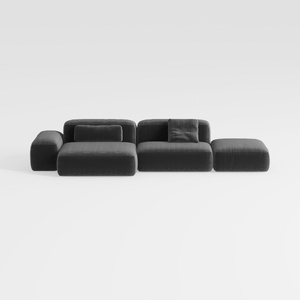
Minimalist Dark Velvet Modular Sectional Sofa 3D Model
Q1: How does Minimalist Elegance differ from traditional minimalism in interior design?
Minimalist Elegance distinguishes itself by integrating a sense of warmth and refined materiality that goes beyond the stark simplicity of traditional minimalism. While both prioritize simplicity and lack of clutter, Minimalist Elegance introduces subtle luxury through high-quality textures and carefully chosen accent tones. It captures an inviting atmosphere with tactile surfaces and atmospheric color palettes, whereas traditional minimalism may lean toward more austere or industrial expressions. This nuance means that Minimalist Elegance balances restraint with comfort, creating spaces that feel both serene and sophisticated.
Q2: What are the best materials to include when designing in Minimalist Elegance style?
Key materials include natural woods with fine grain, matte or honing finishes on stone surfaces like marble or limestone, brushed metal accents, and high-quality textiles such as linen, wool, and leather in muted shades. These materials contribute tactile richness and subtle visual interest without overwhelming the senses. The emphasis is on durability and authenticity, so sourcing natural or responsibly produced materials that age gracefully is crucial. This approach reinforces the style’s sustainable and timeless qualities, enhancing both practicality and aesthetic.
Q3: How can lighting be optimized to enhance the Minimalist Elegance aesthetic?
Lighting should emphasize natural sources wherever possible, allowing daylight to softly illuminate surfaces and highlight textures. Artificial lighting tends toward subtle and indirect solutions—recessed fixtures, concealed strip lights, or elegant pendant lamps with minimal detailing—that maintain the style’s clean lines. Using warm light temperatures helps prevent coldness and promotes a cozy ambiance. Strategic placement can accentuate architectural details or selected furnishings, reinforcing spatial balance without introducing visual clutter. Layering different intensities and types of light creates depth and interest while preserving the style’s tranquil mood.
What began as an Autodesk innovation has evolved into a design platform used by more than 18 million people around the globe. Homestyler combines powerful rendering, an intuitive editor, and a vast furniture library to help you turn inspiration into photorealistic designs — whether you're redesigning a single room or planning an entire home.
Homestyler is a professional interior design software that helps users effortlessly create their dream home.
Design Now for FREE
































