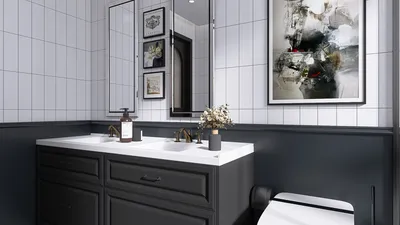


Milano Eleganza style demands balance between sleek minimalism and opulent details, making its core design challenge the harmony of functionality with refined aesthetics. Designers must carefully navigate the interplay between clean lines and rich textures, creating spaces that feel both inviting and sophisticated without excess. The greatest difficulty lies in integrating a sense of grandeur through luxurious materials, while maintaining airy, open spatial arrangements that align with modern sensibilities. This tension reveals itself through the calibrated use of furnishings, lighting, and accessories that offer visual impact without crowding or clutter. Execution requires a discerning eye for proportion and a refined palette selection that honors both classic elegance and contemporary restraint. Contemporary interior architecture under this style calls for a strategic approach to spatial volumes, where furniture placement foregrounds fluid movement and unobstructed sightlines. Surfaces, both matte and gloss, must communicate layered textures that invite touch while exhibiting impeccable finish. Materials like polished chrome, dark woods, marble, and plush textiles achieve the right balance between sophistication and warmth, but each must be selected to enhance spatial rhythm rather than disrupt it. The choice of statement pieces—often bespoke or artisan-crafted—serves as focal anchors that elevate the ensemble without overwhelming it. Lighting design is pivotal, tasked with showcasing textures and architectural details through subtle contrasts of illumination and shadow. Finally, the challenge culminates in incorporating decorative accents that act as quiet signatures of elegance: thoughtfully curated artworks, sculptural elements, and metallic accessories that introduce personality while preserving coherence. The Milano Eleganza style thus thrives on the disciplined negotiation between restraint and luxury, demanding precision and sensitivity at every design decision.
Step 1: Spatial Layout — Balancing Proportion and Furniture Placement
Start this step by assessing the room’s volumetrics, identifying natural focal points such as windows, fireplaces, or architectural moldings. Milano Eleganza relies on furniture arrangements that enforce fluid circulation and uphold spatial openness. Avoid overcrowding; select streamlined yet substantial pieces that respect the room’s geometry. Use symmetrical placement to enhance balance—parallel seating or paired side tables echo the style’s classical roots. Scale is critical: furniture should fit the room’s proportions precisely. Oversized sofas risk overwhelming, while undersized chairs may break the refined aura. Opt for pieces with clean silhouettes but sumptuous upholstery textures such as velvet or leather, tying comfort with sophistication. Place rugs under main seating groups to anchor zones without fragmenting space visually. In open-plan areas, introduce sculptural room dividers or low cabinets to subtly separate living and dining areas without sacrificing light or openness. Keep pathways clear, targeting a minimum of 60 cm walking space around major furniture for easy flow. Incorporate built-in storage solutions or minimalist shelving that blends into the architecture and reduces auxiliary clutter. Through these tactics, spatial dynamics work to support the Milano Eleganza ethos—a harmonious environment where form and function coalesce into elegant simplicity.
Step 2: Light and Color — Tone Selection and Lighting Coordination
Color palettes for Milano Eleganza favor subdued neutrals enriched with moderate contrasts, such as charcoal grays, taupes, warm creams, and deep blues. These hues produce a sophisticated backdrop that lets texture and form emerge prominently. Avoid overly bright or saturated colors that betray the style’s refined restraint. Matte wall finishes work best to reduce glare and deepen spatial perception. Introduce metallic accents in brushed gold, bronze, or polished chrome to punctuate and reflect light subtly. Lighting is instrumental in sculpting the atmosphere—layered illumination offers depth and adaptability. Start with recessed ceiling lights providing general ambient glow, augmented by adjustable wall sconces for accentuation. Include statement pendant lamps or chandeliers over focal points like dining tables or seating areas, selecting designs that blend classic forms with modern minimalism. Consider integrating indirect LED strips beneath cabinets or floating shelves to highlight textures without harshness. Use dimmable fixtures for nuanced control, allowing light intensity to shift from bright task brightness to intimate mood settings. Position floor and table lamps with fine detailing and sculptural qualities near seating for cozy yet sophisticated reading nooks. Evening lighting should create soft shadows to reveal finishes in subtle complexity. This luminous choreography supports Milano Eleganza’s core ambition—crafting interiors that feel dynamic and inviting throughout circadian changes.
Step 3: Signature Accents — Elevating the Ambience with Small-Scale Models
Introduce carefully chosen decorative objects that embody the Milano Eleganza spirit: think minimalist sculptures with smooth curves and polished metal finishes, or art glass vases with muted tones and rich textures. These small pieces serve as punctuation marks within the broader composition, providing points of focused interest without overwhelming the overall restraint. Group accessories thoughtfully to form balanced vignettes on consoles or shelves—mix heights and materials purposefully to encourage visual dialogue. Books with tasteful bindings, leather trays, and geometric candleholders enrich surfaces and reinforce tactile diversity. Choose textiles such as silk cushions or cashmere throws to contribute subtle tactile warmth, blending comfort with refined luxury. Integrate curated artworks with restrained palettes and precise framing to complement spatial color schemes without visual noise. Opt for plants with sculptural shapes—like snake plants or fiddle-leaf figs—in minimalistic pots, introducing organic vitality amid polished surroundings. Every accessory must reflect quality craftsmanship and timeless design, underscoring the Milano Eleganza narrative of quiet, assured elegance. Avoid clutter and redundancy; each element has to justify its placement by enhancing spatial harmony or utility. This attention to detail ultimately defines the depth and authenticity of the style’s realized environment.
Designing the Look
For designers working in Homestyler, the Milano Eleganza is a practical shortcut to authenticity. It removes the guesswork from sourcing — every piece is pre-matched in scale, material, and proportion to deliver a coherent modern classic result.

Modern Marble Top Leather Upholstered Round Dining Table 3D Model

Modern Gray Velvet Upholstered Barrel Armchair with Quilted Lumbar Pillow 3D Model

Contemporary Gold Metal Black Marble Top Round Side Table 3D Model

Modern Marble Top Fluted Base Round Dining Table 3D Model

Modern Marble Top Solid Wood Nesting Coffee Table 3D Model

Modern Leather Upholstered Twin Bed With Matching Bedding 3D Model
FAQ
Q1: How can I ensure furniture proportions suit a Milano Eleganza styled room?
Start by measuring your room’s dimensions carefully, then select furniture that occupies no more than 60-70% of floor space to maintain openness. Focus on pieces with refined profiles but substantial materials. Visual balance is critical: avoid mismatched scales and prefer symmetrical layouts, which complement the style’s classical underpinnings.
Q2: What lighting fixtures best embody the Milano Eleganza aesthetic?
Choose lighting with sculptural simplicity and luxurious finishes such as brushed metals or crystal accents. Layer lighting by combining recessed ambient lights, directional spotlights for accent walls or artwork, and decorative pendants or chandeliers with modern classic designs. Dimmers are essential for adjusting light mood without disrupting the overall design.
Q3: Which decorative accessories elevate the Milano Eleganza style without feeling excessive?
Focus on high-quality, artisan-crafted pieces with restrained color ranges and elegant forms—metal sculptures, glass vases with subtle texture, or framed monochromatic artworks. Textiles in silk or cashmere add tactile warmth without clutter. Avoid heavy ornamentation; each object should contribute to spatial cohesion and refined aesthetic narrative.
Built on technology originally developed at Autodesk, Homestyler empowers anyone to design beautiful, realistic spaces in minutes. Join over 18 million users who have already discovered a smarter way to plan, visualize, and bring their dream homes to life — all from the comfort of a browser.
Homestyler is a professional interior design software that helps users effortlessly create their dream home.
تصميم الآن مجانا
































