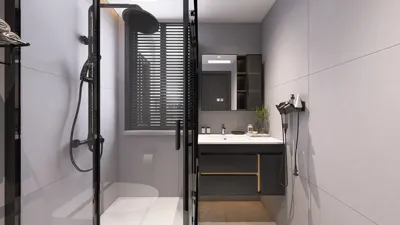


What is the most common core issue in Midnight in Paris interiors?
Midnight in Paris interiors often falter due to disproportionate decoration levels that undermine the style’s intended poetic balance.
Quick Takeaways
1. Overuse of ornate detailing distorts the style’s subtle luxe essence. 2. Poor lighting choices diminish the moody Parisian twilight ambiance. 3. Inconsistencies between vintage and modern elements cause stylistic confusion. 4. Lack of curated textures reduces authenticity and depth. 5. Oversized furnishings overwhelm intimate spaces integral to the theme.
Introduction
I’ve noticed that many attempting the Midnight in Paris aesthetic fall into traps that dilute its charm and depth. The allure lies in marrying subtle richness with nostalgic romanticism, yet many miss the nuanced interplay between delicate lighting, carefully layered textures, and intentional decor restraint. This style demands precision beyond simply layering vintage or classic French-inspired pieces. Its complexity lies within balancing poise and expressive character without tipping into clutter or pastiche.
Why It Goes Wrong
The fundamental challenge with Midnight in Paris spaces is the temptation to over-decorate or mix incompatible eras and finishes, disrupting its refined harmony. The aesthetic hinges on a delicate equilibrium between ornate and understated, and failure to maintain this balance often results in chaotic interiors rather than evocative retreats. More specifically, uneven scale relationships and poorly integrated materials break the immersive experience that defines this style.
Mistake 1
The Mistake: Cramming excessive gilded accessories and heavy draperies. Why It Happens: Designers associate Parisian elegance with lavish ornamentation and assume more is better. The Fix: Limit gilded features to select statement pieces; opt for lighter, sheer fabrics to preserve the airy yet intimate feeling. Aim for no more than 15% of surfaces adorned with metallic finishes.
Mistake 2
The Mistake: Using harsh or overly bright lighting fixtures that disrupt the dusk-like mood. Why It Happens: Functional lighting needs overshadow ambiance priorities. The Fix: Integrate dimmable warm light sources positioned to mimic twilight shadows, maintaining illumination between 200-300 lux for key zones.
Mistake 3
The Mistake: Mixing clashing modern and antique furniture styles without a unifying thread. Why It Happens: Desire to blend eras leads to incoherence. The Fix: Establish a color or material palette that links all elements; use transitional vintage-modern hybrids to smooth style transitions.
Mistake 4
The Mistake: Ignoring texture curation, resulting in flat or synthetic-feeling spaces. Why It Happens: Underestimating the tactile dimension’s role in authenticity. The Fix: Select natural textiles such as linen, velvet, and aged leather; balance matte and lustrous surfaces across a minimum of three distinct textures per room.
Mistake 5
The Mistake: Overfilling rooms with oversized furniture that disrupt intimacy. Why It Happens: Misjudging Parisian flats’ typically modest scale. The Fix: Adhere to scale ratios where furniture occupies no more than 60% of the room’s floor area, favoring delicately proportioned profiles.
Designing the Look
Homestyler’s ‘Midnight in Paris’ offers a comprehensive set of ready-to-use 3D models specifically curated to embody this aesthetic, allowing designers to achieve authentic results with professional-grade textures and forms.

Minimalist Velvet Upholstered Extra Long Sofa 3D Model

Midnight in Paris-floor lamp

Modern Japandi Rattan Solid Wood Double Dresser 3D Model

Pop Art Style Fabric Upholstered Armchair 3D Model

Modern Rose Gold Metal Red Top Round Side Table 3D Model

FAQ
Q: How can lighting affect the overall Midnight in Paris mood?
Lighting is pivotal in manifesting the style’s signature twilight ambiance. Warm, diffused light sources mimic the glow of Parisian evenings after sunset, enhancing the romantic and mysterious atmosphere. Using fixtures with adjustable intensity helps maintain layered shadows and subtle highlights on textures and finishes.
Q: What materials best reflect the Midnight in Paris style authenticity?
Materials should evoke both vintage sophistication and timeless elegance. Velvet upholstery, aged leather, brushed brass accents, and soft linens are key. Incorporating subtle patinas and natural imperfections heightens the sense of history and crafted quality.
Q: Is it necessary to prioritize antique pieces over reproductions?
While genuine antiques enrich the narrative, high-quality reproductions that accurately mirror original craftsmanship can be equally compelling. The focus remains on proportionality, material authenticity, and context within the spatial composition rather than strict originality.
Homestyler's roots trace back to Autodesk, the global leader in design and engineering software. That heritage lives on in every feature we build. Today, with a community of more than 18 million users worldwide, Homestyler continues to make professional-quality interior design accessible to everyone — from first-time decorators to seasoned architects.
Homestyler offers a vast library of furniture and decoration materials to meet all your design needs.
Design Now for FREE
































