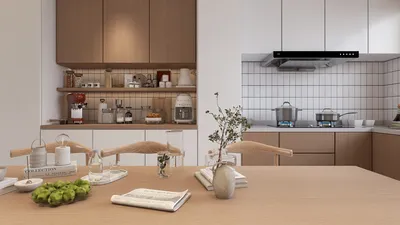


What is the most common core issue in Metropolitan style design?
Balancing sleek urban minimalism with rich textures without creating style confusion.
Quick Takeaways
1. Overly ornate details undermine the metropolitan sleekness. 2. Improper scale disrupts spatial harmony. 3. Mixing incompatible textures creates disharmony. 4. Neglecting functional flow affects livability. 5. Underestimating lighting’s role leads to flat interiors.
Introduction
Metropolitan style carries an allure of chic, urban sophistication, but many stumble into pitfalls that dilute its powerful visual clarity. I have noticed how subtle imbalances—whether in proportion, texture, or function—quickly erode the carefully constructed elegance a metropolitan space demands. This style challenges designers to orchestrate materials and forms precisely, where small errors become glaring distractions. Tackling common challenges directly equips creatives to sharpen their executions and deliver interiors that radiate authentic urban vitality without unintended clutter or mismatch.
Why It Goes Wrong
The primary issue arises from trying to merge contrasting urban elements like minimalism’s clean lines with maximalist textures without a clear hierarchy. Without strict control on proportion and texture, spaces either feel cold and sterile or chaotic and overdecorated. This conflict confuses the style’s intent and reduces the intended metropolitan impact.
Mistake 1: Overdecorating with Inconsistent Elements
The Mistake: Incorporating excessive decorative objects that clash with the clean, urgent energy of metropolitan style, causing visual noise. Why It Happens: A desire to add personality often leads to over-accessorizing without regard to coherence. The Fix: Adopt a "less but better" philosophy, selecting no more than three statement pieces that echo urban sleekness. Use metal, glass, or concrete finishes to reinforce the core aesthetic.
Mistake 2: Ignoring Scale and Proportion
The Mistake: Using furniture or fixtures that are too bulky or delicate relative to room size. Why It Happens: Misjudgment of spatial dimension or pressure to include fashionable oversized pieces. The Fix: Measure room dimensions accurately and choose streamlined furniture scaled appropriately. For example, opt for sofas under 85 inches wide in typical living areas to maintain openness.
Mistake 3: Texture Clashes
The Mistake: Combining rough industrial textures haphazardly with plush or rustic elements, losing stylistic clarity. Why It Happens: An attempt to add warmth results in scrambling incompatible materials. The Fix: Harmonize texture by limiting to two main materials, such as steel with leather or polished marble with velvet, avoiding random mixes.
Mistake 4: Overlooking Functionality
The Mistake: Prioritizing form and aesthetics over user comfort and practical flow. Why It Happens: The aesthetic focus distracts from how people actually use the space. The Fix: Incorporate ergonomic seating, logical furniture placement, and clear pathways to ensure the design supports daily living.
Mistake 5: Inadequate Lighting
The Mistake: Relying on insufficient or overly harsh lighting that flattens or overwhelms the atmosphere. Why It Happens: Lighting is often afterthought or constrained by existing fixtures. The Fix: Layer lighting with ambient, task, and accent sources. Use dimmable LEDs and directional fixtures to highlight textures and create depth.
Designing the Look
Homestyler’s ‘Metropolitan’ offers a comprehensive set of ready-to-use 3D models specifically curated to embody this aesthetic, allowing designers to achieve authentic results with professional-grade textures and forms.


Modern Minimalist Perforated Metal Decorative Sculpture 3D Model

Vintage Floral Woman Portrait Wall Art Decor 3D Model

Modern Fabric Metal Frame Three Seater Sofa 3D Model

Minimalist White Textured Circular Area Rug 3D Model
FAQ
Q: How can I maintain metropolitan style without making a space feel cold?
A: Balancing metropolitan style’s sleekness with inviting warmth is all about texture and color. Combine smooth surfaces like steel or glass with warm woods or soft fabrics in neutral tones. Adding plush cushions or area rugs softens the edge without losing style coherence.
Q: What are the best lighting choices for metropolitan interiors?
A: Focus on layering light sources—install dimmable overhead LEDs, include adjustable task lamps near seating and work areas, and add wall sconces or spotlights to highlight architectural features. Avoid bulky or ornate fixtures that disrupt the clean lines.
Q: Can metropolitan style fit small apartments effectively?
A: Absolutely, but it requires careful furniture selection and spatial planning. Choose pieces that maximize storage, maintain clear floor space, and use muted palettes to widen the visual field. Keeping accessories minimal preserves a breathable, urban feel even in compact areas.
Homestyler's roots trace back to Autodesk, the global leader in design and engineering software. That heritage lives on in every feature we build. Today, with a community of more than 18 million users worldwide, Homestyler continues to make professional-quality interior design accessible to everyone — from first-time decorators to seasoned architects.
Homestyler offers a vast library of furniture and decoration materials to meet all your design needs.
Desain sekarang Gratis
































