

Introduction
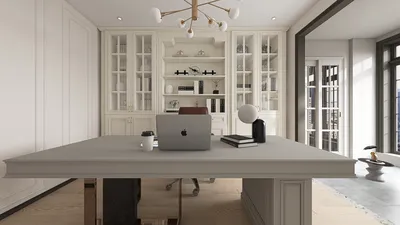
Metropolitan style embodies the essence of urban sophistication and cultural fusion, reflecting the dynamic energy and cosmopolitan attitude found in major cities. This aesthetic resists overly ornamental designs and embraces a philosophy of balanced minimalism interwoven with hints of luxury. Rooted in the practical demands of city living, Metropolitan interior design achieves harmony by uniting functionality with refined elegance, providing comfort, style, and visual intrigue in compact and versatile spaces. Its philosophical origin lies in harmonizing modernity with timeless elements, capturing the tension between contemporary progress and classic influences. This duality creates a living environment that feels simultaneously grounded and progressive, minimal yet richly layered, suitable for the diverse lifestyles and evolving tastes of urban dwellers. The style reflects both a respect for architectural heritage and the fast pace of modern city life, emphasizing seamless transitions between workspace, leisure, and home sanctuary. Metropolitan interiors focus on cultivating well-considered spatial arrangements that balance openness with privacy, simplicity with elaborate textures, and restraint with statement features. This approach results in an environment that is inherently adaptable and culturally resonant, offering a nuanced urban experience that is approachable and aspirational.
Core Elements
Color Palette: Metropolitan interiors deploy a carefully curated color scheme that serves as the foundational visual language. Neutral tones dominate—shades of charcoal, slate gray, crisp whites, and soft taupes form the base, instilling a sense of calm and spatial clarity. These neutrals create an open canvas that balances both light and shadow, enhancing architectural details and texture contrasts. Accent colors are strategically introduced via deep jewel tones like emerald green, sapphire blue, or rich burgundy, adding depth and sophistication without overwhelming the serene backdrop. Metallic finishes in brushed brass, matte black, or polished chrome punctuate the palette, reflecting urban industrial vibes and adding a subtle sheen of modern luxury. The complexity of the color story comes from its layering rather than saturation, allowing nuanced shifts within a restrained spectrum that evoke a timeless yet modern atmosphere. This monochromatic and restrained color approach strengthens the spatial coherence, harmonizing visual elements within Metropolitan interiors and fostering a contemplative yet vibrant living environment.
Materials: Materiality plays a pivotal role in the Metropolitan style, marrying tactile richness with visual refinement to underscore the design’s urban narrative. High-quality, durable materials such as smooth concrete, exposed brick, and natural stone often serve as structural backdrops, anchoring spaces with solid, grounded textures reminiscent of cityscapes. Complementary softer textiles including plush velvets, textured wools, and fine linens contribute warmth and invite touch, providing tactile contrast to the harder surfaces. Architectural metals like steel and brass are employed both structurally and decoratively, contributing industrial authenticity and elegant detail. Wood, when present, ranges from light-toned oak to dark walnut, always with visible grain to add organic depth and connect interior spaces to natural elements. These materials are chosen and combined to reflect urban eclecticism—raw yet refined, industrial yet comfortable. The thoughtful juxtaposition enriches sensory experience, making the materiality not just visual, but also experiential, encouraging inhabiting the space with awareness and appreciation for texture and craftsmanship.
Forms and Shapes: The Metropolitan aesthetic embraces clean lines and geometric precision without sacrificing fluidity or interest. Furniture and architectural elements often feature streamlined silhouettes with subtly rounded edges, balancing sharp geometry with softness. Angular forms—rectangles, squares, and linear profiles—dominate but are frequently layered with curves or unexpected asymmetries to enliven compositions. This harmonic interplay reflects movement and adaptability, mirroring the restless pace of urban life. Bespoke and modular furnishings that maximize functionality and adaptability are typical, reflecting the style's pragmatic roots. Surfaces tend to be smooth and unembellished, allowing the form itself to command attention. Light fixtures, cabinetry, and partitions might display innovative structural designs or sculptural qualities, presenting artful minimalism that acts as both utility and statement. The Metropolitan style’s forms encapsulate a dialogue between order and spontaneity, embracing simplicity while rejecting static uniformity, ensuring interiors feel curated, compelling, and responsive to inhabitant needs.
Designing the Look
Whether designing an upscale city loft or a sophisticated apartment, capturing the essence of Metropolitan style demands precision and versatility in choice of furnishings and finishes. Homestyler’s ‘Metropolitan’ offers a comprehensive set of ready-to-use 3D models specifically curated to embody this aesthetic, allowing designers to achieve authentic results with professional-grade textures and forms. This model pack translates the style’s core attributes—its nuanced color palette, refined material combinations, and architectural forms—into tangible digital assets, enabling efficient visualization in project workflows. Designers gain access to furnishings and room elements that maintain balance between minimalism and richness, supporting strong spatial narratives and sophisticated atmospheres without sacrificing real-world practicality. The utility of these premade models lies in their fidelity to the stylistic conventions combined with adaptability for diverse spatial configurations and scales. Integration of this resource streamlines the creative process, allowing interior designers, architects, and visualizers to experiment with different compositions, lighting scenarios, and spatial articulations before physical implementation. Consequently, the pack serves not just as a design repository but as a creative toolkit that helps professionals translate conceptual visions into impactful, urban-inspired interiors that resonate with lifestyle and cultural context.


Modern Minimalist Perforated Metal Decorative Sculpture 3D Model

Vintage Floral Woman Portrait Wall Art Decor 3D Model

Modern Fabric Metal Frame Three Seater Sofa 3D Model

Minimalist White Textured Circular Area Rug 3D Model
FAQ
Q1: What distinguishes the Metropolitan style from other contemporary interior design styles?
Metropolitan style distinctly balances urban minimalism with luxurious details, integrating industrial materials and refined finishes. Unlike stark minimalism, it introduces warm textures and elegant accents to avoid coldness, creating spaces that are functional yet richly nuanced. This layered approach reflects the complexity of city life, making it both modern and inviting.
Q2: How can texture be effectively incorporated into Metropolitan interiors without disrupting the minimalist aesthetic?
Texture in Metropolitan interiors is incorporated through contrasting materials—such as the juxtaposition of smooth concrete with soft velvet or metal with natural wood. The key is subtlety and balance, allowing tactile materials to add depth and warmth without creating visual clutter. Choosing quality materials with natural grain or patina further enhances texture while maintaining the style’s sleek lines.
Q3: Is Metropolitan style suitable for small urban apartments, and how can space limitations be addressed?
Yes, Metropolitan style is ideal for small urban apartments as it focuses on functionality and spatial efficiency. Utilizing multi-purpose furniture, modular elements, and streamlined forms maximizes usable area. Light neutral colors with selective darker accents can visually enlarge space, while thoughtfully applied textures and layered lighting foster depth and comfort without crowding the room.
Homestyler's roots trace back to Autodesk, the global leader in design and engineering software. That heritage lives on in every feature we build. Today, with a community of more than 18 million users worldwide, Homestyler continues to make professional-quality interior design accessible to everyone — from first-time decorators to seasoned architects.
With Homestyler, you can design and visualize your living spaces online with stunning, realistic results.
Progetta ora GRATIS
































