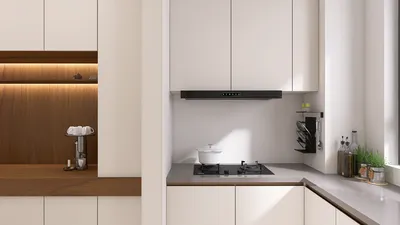


The core challenge of Metropolitan style lies in harmonizing the urban sophistication with functional living spaces. This style demands balancing the sleek, often bold, architectural elements with comfort and practicality. Designers must navigate the juxtaposition of industrial textures, streamlined furniture, and modern aesthetics without creating a space that feels cold or cluttered. Metropolitan interiors thrive on clean lines paired with carefully curated materials that evoke city life — such as exposed concrete, steel accents, and large windows for natural light. The spatial organization must reflect a rhythm and flow that supports both relaxation and social interaction. Bringing warmth through textiles and art is essential to soften the metropolitan edge, making the home inviting yet unmistakably urban. Another pivotal aspect is the seamless integration of technology and smart solutions that are integral to metropolitan living without disrupting the interior’s visual coherence. Close attention to scale, proportion, and material contrast is required to prevent the space from feeling fragmented or overly busy. This intricate balance between industrial rawness and refined elegance forms the design tension at the heart of Metropolitan style, making it simultaneously challenging and rewarding to execute.
Layout Logic — Spatial Proportion and Furniture Arrangement
A successful Metropolitan interior starts with meticulously planned spatial proportions. Urban environments often demand efficient use of space, making layout optimization a priority. Begin by defining zones according to function — living, dining, work, and relaxation areas must flow seamlessly yet maintain clear boundaries. Use furniture with clean lines and consider modular pieces that adapt to varying needs. Positioning larger furniture against walls opens central space, creating an airy atmosphere. Incorporate multi-functional furnishings, like ottomans with storage or extendable tables, to maximize utility without overcrowding. Pay particular attention to circulation paths, ensuring they remain unobstructed and intuitive. Reflect the scale of metropolitan architecture by selecting pieces that echo verticality and horizontal expansiveness; tall shelving units paired with low-profile sofas help emulate this dynamic. Avoid placing too many bulky items centrally, as this can disrupt the balance and make the room feel cramped. Instead, cluster smaller seating groups to cultivate intimacy within the broader open plan. Experiment with transparent materials, such as glass or acrylic tables, to reduce visual weight while maintaining functional surface area. Finally, keep symmetry and asymmetry in mind — intentional asymmetrical arrangements create visual interest and maintain the urban edge without feeling chaotic.
Light and Color — Tone Selection and Light Source Pairing
Color schemes in Metropolitan interiors typically revolve around neutral palettes punctuated with bold accents. Opt for shades such as slate gray, charcoal, crisp white, and muted beige as your foundational tones. These provide a sophisticated backdrop reminiscent of city materials like concrete and steel. Introduce pops of color with jewel tones or metallics—emerald green cushions or brass fixtures add depth without overpowering. The lighting strategy should complement the palette by layering different sources. Begin with ample natural light, making window treatments minimal to allow maximum daylight. Supplement with ambient overhead lighting — recessed LED or track lighting creates a clean, modern atmosphere. Add task lighting with adjustable desk lamps or floor lamps featuring simple geometric forms to enhance functionality. Accent lighting highlights architectural details or artwork, contributing to the room’s narrative. Choose bulbs with a color temperature between 2700K to 3500K to preserve warmth while maintaining clarity. Incorporate dimmers to modulate intensity and adapt spaces for various moods and activities. Reflective surfaces, such as mirrors or metallic decor, amplify light and visually expand the room, an essential tactic in urban living where space can be limited. The interplay between light and color in Metropolitan interiors should evoke a dynamic yet polished environment that changes fluidly throughout the day.
Statement Decor — Enhancing Texture and Surface with Accent Models
The meticulous selection of small-scale decor items breathes life into a Metropolitan space. Focus on tactile contrast: smooth leather pillows juxtaposed with wool throws, or matte ceramics combined with glass objects. Incorporate sculptural lighting fixtures or modern art pieces that double as focal points and conversational elements. Group accessories thoughtfully in odd numbers for balanced visual appeal. Introduce greenery in the form of structured succulents or tall leafy plants in minimalist pots to soften industrial hues. Consider the strategic placement of rugs with geometric patterns to anchor seating areas and add warmth underfoot. Metallic accents—copper trays, chrome vases, or steel side tables—reflect the city’s polished surfaces. Book collections housed in open shelving offer both intellect and texture, showcasing a lived-in sophistication. Select pieces whose scale is proportional to the surrounding furnishings and room dimensions, ensuring no element overwhelms the scheme. Repeating a few key materials or colors throughout your decor items weaves a unified narrative. These intentional details contribute layers of refinement, transforming bare bones architecture into a layered, textured urban refuge.
Designing the Look
For designers working in Homestyler, the Metropolitan is a practical shortcut to authenticity. It removes the guesswork from sourcing — every piece is pre-matched in scale, material, and proportion to deliver a coherent metropolitan result.


Modern Minimalist Perforated Metal Decorative Sculpture 3D Model

Vintage Floral Woman Portrait Wall Art Decor 3D Model

Modern Fabric Metal Frame Three Seater Sofa 3D Model

Minimalist White Textured Circular Area Rug 3D Model
FAQ
Q: How can I optimize small urban apartments using the Metropolitan style?
Start by choosing multi-functional furniture to make the most of limited space. Incorporate modular sofas that convert into beds or storage ottomans. Use vertical storage solutions like tall shelving to draw the eye upward and free floor space. Keep color palettes light and consistent to maintain an open feeling. Maximize natural light and use transparent furniture to reduce visual clutter.
Q: What lighting techniques ensure a balanced atmosphere in Metropolitan interiors?
Layer lighting by combining ambient, task, and accent sources. Use dimmable LED overhead lights to set the base mood, while task lamps focus on work or reading zones. Accent lighting should highlight artwork or architectural features to add depth. Opt for warm white bulbs to prevent the space from feeling too clinical but maintain crispness that reflects urban sophistication.
Q: How do I prevent the Metropolitan style from feeling cold or sterile?
Introduce soft textures such as woven throws, plush cushions, and natural materials like wood and plants. Add personal art or curated objects that bring character and warmth. Choose warm tones within the neutral palette, such as beige or taupe, to soften harsh industrial elements. Strategic layering of textiles and careful furniture selection helps create an inviting and balanced space.
Built on technology originally developed at Autodesk, Homestyler empowers anyone to design beautiful, realistic spaces in minutes. Join over 18 million users who have already discovered a smarter way to plan, visualize, and bring their dream homes to life — all from the comfort of a browser.
Homestyler is a professional interior design software that helps users effortlessly create their dream home.
تصميم الآن مجانا
































