


Navigating the Mediterranean style presents a sophisticated design challenge centered on harmonizing rustic warmth with refined elegance. This aesthetic demands balance between natural, organic textures and vibrant color palettes that evoke coastal landscapes yet maintain an inviting indoor atmosphere. The core design tension lies in blending handcrafted artisanal materials, such as terracotta, wrought iron, and weathered woods, with modern functionality without compromising authenticity. Spatially, rooms must feel open and breezy but also purposeful and cozy, to reflect Mediterranean living that favors comfort and casual luxury. Achieving this equilibrium involves careful choreography of furniture scale, finishes, and textural layering to embody sun-drenched simplicity coupled with subtle opulence. Furthermore, color schemes must capture the rhythmic interplay of earth tones alongside Mediterranean blues and whites, ensuring that light is manipulated to amplify warmth and vitality. The primary design challenge is control: curating a collection of elements that feel effortlessly collected rather than contrived, creating a timeless environment that honors Mediterranean heritage while meeting contemporary lifestyle needs.
Step 1: Layout Logic — Spatial Proportion and Furniture Arrangement
Crafting authentic Mediterranean interiors begins with mastering spatial proportions that favor openness and flow. Start by mapping your floor plan to highlight natural light sources and focal points like fireplaces or large windows. Furniture plays a pivotal role: choose substantial yet unpretentious pieces crafted from natural materials such as distressed wood or rattan. Prioritize low-profile sofas and armchairs with plush cushions that invite relaxation but do not obstruct sightlines. Arrange seating clusters to encourage conversation, often in semi-circular or L-shaped formations, embracing conviviality, a key Mediterranean value. Balance heavy wooden tables or cabinets by juxtaposing them with lighter accessories to prevent visual clutter. Employ built-in niches or alcoves where possible; these provide both architectural interest and functional display spaces without crowding. Rugs and floor tiles with geometric or traditional Mediterranean patterns help delineate zones without partition walls, maintaining fluidity. Avoid overly symmetrical layouts — irregular yet intentional placement suggests an organic, lived-in quality essential to this style. Lastly, ensure walkways remain spacious to replicate the airy, breezy feel typical of Mediterranean homes.
Step 2: Light and Color — Tone Selection and Lighting Coordination
Mediterranean interiors thrive on an interplay between natural sunlight and warm artificial lighting that accentuates the earth-inspired color palette. Begin by layering whites—ranging from crisp to creamy—to define walls and ceilings, which serves as a neutral canvas reflecting light. Complement these with terracotta reds, ochres, olive greens, and deep blues drawn from sea and landscape motifs that enrich the space without overwhelming it. Use matte, textured wall finishes, like lime plaster or stucco, that diffuse light softly for an authentic tactile quality. For lighting fixtures, select pieces in wrought iron or aged brass, featuring designs reminiscent of Spanish lanterns or Greek motifs. Combine recessed ceiling lights with wall sconces and table lamps to create varying light temperatures and intensities, mimicking natural sunlight transitions. Employ sheer linen drapes to soften incoming daylight subtly while maintaining openness. At twilight, introduce candles or lanterns to evoke a warm, intimate ambiance. Strategic use of reflectors or mirrors can amplify daylight in darker corners, essential in urban Mediterranean adaptations. The goal is a seamless, dynamic lighting scheme that changes with the day, enhancing colors and textures harmoniously.
Step 3: Accents that Speak — Small Detail Models to Raise Quality
Mediterranean décor is in the details—selecting objects that imbue authenticity without clutter. Incorporate artisan-crafted ceramics featuring traditional motifs as vases, bowls, or wall tiles, adding tactile and cultural layers. Introduce handwoven textiles such as kilim throws, embroidered cushions, or patterned rugs in complementary colors for warmth and pattern contrast. Metal accessories in bronze or antique copper, like candlesticks, trays, or small sculptures, contribute to aged elegance. Consider natural elements via olive branches in rustic pottery or dried lavender bundles, reinforcing the connection to landscape. Wall-mounted features, including wrought iron grilles, terra cotta masks, or open wood shelving displaying curated items, serve as visual anchors without overpowering space. In kitchens and dining areas, display vintage glass bottles or wrought iron pot racks to merge utility and décor seamlessly. Lastly, lighting accessories such as intricately patterned lanterns or lampshades inspired by Mediterranean crafts enhance ambience and artisanal appeal. Each small element should support the overall narrative of heritage, craftsmanship, and comfort.
Designing the Look
For designers working in Homestyler, the Mediterranean model is a practical shortcut to authenticity. It removes the guesswork from sourcing — every piece is pre-matched in scale, material, and proportion to deliver a coherent Mediterranean result.

Vintage Solid Oak Round Side Table Classic Turned Pedestal 3D Model
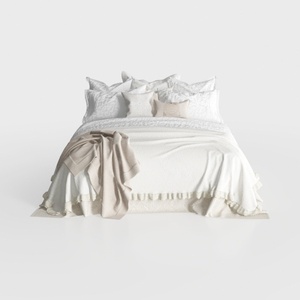
Minimalist Neutral Fabric King Size Bed 3D Model

Minimalist Mint Fabric Armchair 3D Model

Minimalist Fabric Upholstered 3 Seater Sofa With Decorative Throw Pillows 3D Model

Bohemian Tribal Pattern Area Rug Geometric Design 3D Model

Kearsten Brown 33.8 in. Wood Bar Table
FAQ
Q1: How can Mediterranean style be adapted for small urban apartments?
Adapting Mediterranean style to smaller spaces requires emphasizing light and airiness without sacrificing warmth. Utilize light-colored walls with textured finishes to enhance depth. Opt for multifunctional furniture like benches with storage that feature natural materials. Minimize heavy wood pieces, instead favoring slim iron or rattan accents. Incorporate wall niches or floating shelves for decorative displays to save floor space. Utilize mirrors strategically to reflect daylight and visually expand space. Layer textiles sparingly to avoid clutter while retaining warmth. This approach ensures the style’s emphasis on casual comfort and natural beauty translates well in compact urban environments.
Q2: What types of flooring best suit Mediterranean interior design?
Traditional Mediterranean interiors favor terracotta tiles, natural stone slabs (such as travertine or limestone), and patterned encaustic cement tiles to root the space in regional authenticity. For warmer climates, these materials provide cool underfoot textures, while their earthy hues complement wall tones. Wood flooring in distressed, sun-worn finishes is acceptable where stone isn’t practical, but it should retain a rustic and matte appearance rather than polished shine. Rugs with traditional patterns can be layered atop flooring to add softness and color accents. The choice depends on climate, maintenance preferences, and desired authenticity, but floors should resonate with tactile imperfection and warmth.
Q3: How important is symmetry in Mediterranean furniture arrangement?
Symmetry is generally deemphasized in authentic Mediterranean design to create a more organic, unforced ambiance. Furniture and décor are arranged experimentally but with intention: pieces are grouped in comfortable conversational clusters rather than rigid rows. Asymmetry introduces movement and visual interest, echoing the spontaneous charm of Mediterranean living. Balanced weight distribution across the room remains crucial, but perfect mirroring is avoided in favor of variation in textures, heights, and natural forms. This relaxed approach underlines the region’s emphasis on ease, conviviality, and handcrafted charm over formal precision.
Built on technology originally developed at Autodesk, Homestyler empowers anyone to design beautiful, realistic spaces in minutes. Join over 18 million users who have already discovered a smarter way to plan, visualize, and bring their dream homes to life — all from the comfort of a browser.
Homestyler has millions of users worldwide, making it one of the most popular online home design platforms.
Design Now for FREE
































