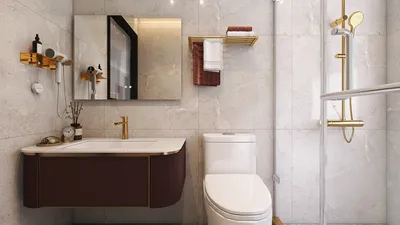


Mediterranean style emerges from a rich cultural tapestry tied to countries bordering the Mediterranean Sea, including Spain, Italy, Greece, and Southern France. Rooted in a lifestyle celebrating harmony with nature and regional history, this aesthetic emphasizes warmth, simplicity, and rustic elegance. The philosophy behind Mediterranean design balances functionality with charm, seeking to create inviting living spaces that reflect a relaxed yet cultivated way of life. This design tradition celebrates the connection to the sea and sun, embodying a soothing and soulful approach to interiors that marries indoor and outdoor living. Far from a mere decorative trend, Mediterranean style is a manifestation of cultural heritage and a timeless spatial language forged over centuries of Mediterranean living. It harmonizes the sensory experience of textures, colors, and natural light, resulting in interiors that feel simultaneously grounded and vibrant. The Mediterranean lifestyle's emphasis on community and conviviality also informs the style's spatial configurations and material choices, fostering spaces designed for gathering and comfort. This aesthetic refuses stark minimalism in favor of tactile warmth and noticeable craftsmanship, echoing traditional artisanship in both architecture and furnishings. Its philosophical core is an embrace of imperfection and natural aging, resonating with an appreciation for authenticity and regional provenance in design elements. Mediterranean interiors are thus more than visual compositions: they are immersive environments that evoke a sense of history while inviting modern inhabitation.
Warm Earthy Color Palette Mediterranean interiors rely on a distinctive color palette that draws from the earth and sky, creating a warm and inviting atmosphere. Tonal variations include terracotta, ochre, warm beige, deep blues, and crisp whites. These hues echo the natural landscape of the Mediterranean region, such as sunbaked clay rooftops, aged stone walls, and the azure sea. The palette balances saturation and softness, where muted tones serve as backgrounds while rich accents energize the space. The warmth inherent in terracotta and ochre enriches wood and stone finishes, enveloping rooms in a natural glow. Cool blues and whites provide counterpoints that suggest freshness and airiness, vital for visual relief in sun-drenched settings. Importantly, color in Mediterranean style is not applied flatly but tends toward a subtle weathered look that lends depth and texture. Walls often incorporate lime washes or plaster finishes that diffuse light organically. This creates rooms that feel imbued with sunlight rather than artificially lit. The palette’s timeless appeal defies trends because it references the enduring Mediterranean sun, earth, and sea — elemental forces that resonate universally. Mastering the color scheme is critical to evoking authentic Mediterranean interiors as it sets the foundational mood and links interior spaces to their environmental and cultural context.
Natural Materials with Rustic Texture Materiality defines Mediterranean design’s tactile and visual character, emphasizing natural, locally sourced materials that impart warmth and authenticity. Rough-hewn woods, terracotta tiles, stucco walls, wrought iron, and stone appear organically throughout interiors and structural elements. These materials are chosen for their durability and connection to the land, embodying traditional craftsmanship and vernacular techniques. Textures play a crucial role; unfinished or hand-applied surfaces reveal the maker’s mark, adding soul and narrative to each element. Flooring often features expansive terracotta or hand-poured cement tiles with intricate patterns recalling Moorish influences. Ceiling beams of raw wood introduce warmth overhead, contrasting with smooth plaster walls. Furniture typically includes robust wood constructions with simple lines, sometimes incorporating natural fibers like wicker or linen in upholstery. Ironwork appears elegantly in railings, light fixtures, and detailing, lending an artisanal finish that complements heftier material forms. Together, these materials construct interiors rooted in place and history, rejecting mass production in favor of artisanal integrity. The tactile richness provokes a sensory response, inviting touch and prolonged engagement, reinforcing the comfort and timelessness intrinsic to Mediterranean environments.
Organic Shapes and Forms The Mediterranean aesthetic embraces curvilinear forms and organic shapes that contrast with rigid geometry, enhancing a relaxed and inviting ambiance. Architectural details feature arches, rounded doorways, recessed niches, and domed ceilings, which soften spatial boundaries and create dynamic contrasts with straight lines. Furniture and decor replicate this philosophy; tables, chairs, and ceramics often possess gentle curves or uneven edges inspired by natural erosion and hand craftsmanship. This fluidity of form harmonizes with the color and material palette, reinforcing the connection to nature and traditional artisanal methods. Textiles such as rugs and cushions may incorporate flowing patterns or asymmetry, breaking monotony and nurturing a lived-in feel. In contrast to formal symmetry favored in classical designs, Mediterranean interiors are asymmetrical and layered, prioritizing comfort and sensory variety over rigid order. This approach mitigates austerity, instead fostering spaces that whisper timeless stories and invite casual conviviality. The use of organic shapes also influences how light interacts with interiors, casting soft shadows and creating visual interest. Through these sculptural elements, Mediterranean design becomes a celebration of imperfection, heritage, and the natural world.
Homestyler’s ‘Mediterranean’ offers a comprehensive set of ready-to-use 3D models specifically curated to embody this aesthetic, allowing designers to achieve authentic results with professional-grade textures and forms. These models allow for immersive experimentation with the distinctive warm color palettes, rustic material textures, and graceful organic shapes central to Mediterranean interiors. Designers can visualize and iterate concepts with detailed elements such as terracotta floor tiles, textured stucco walls, rounded archways, and artisanal furniture that echo historic craftsmanship. This resource streamlines the demanding task of integrating Mediterranean style’s nuanced materiality and forms, ensuring projects retain their cultural and sensory richness. Utilizing these models enhances precision in light simulation, shadow play, and spatial flow analysis within room layouts inspired by Mediterranean principles. As a result, professionals can confidently craft interiors that resonate with the aesthetic’s heritage and embody the effortless charm sought after in this style. Whether developing residential projects or hospitality spaces, the Homestyler Mediterranean model package serves as a vital toolkit for authentic design execution.

Vintage Solid Oak Round Side Table Classic Turned Pedestal 3D Model
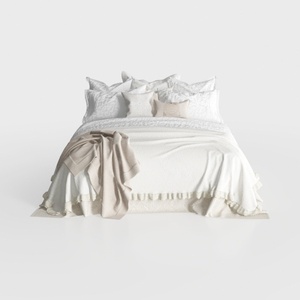
Minimalist Neutral Fabric King Size Bed 3D Model

Minimalist Mint Fabric Armchair 3D Model

Minimalist Fabric Upholstered 3 Seater Sofa With Decorative Throw Pillows 3D Model

Bohemian Tribal Pattern Area Rug Geometric Design 3D Model

Kearsten Brown 33.8 in. Wood Bar Table
Q1: What distinguishes Mediterranean interior design from other rustic styles?
Mediterranean interior design uniquely integrates the vibrant cultural influences surrounding the Mediterranean Sea with a focus on warmth, natural materials, and organic forms. Unlike generic rustic styles, it specifically applies a palette inspired by terracotta, ochre, and sea blues, combined with plaster walls, wrought iron accents, and arched architecture. The style is deeply tied to regional lifestyles emphasizing indoor-outdoor connections and artisanal craftsmanship, giving it a distinctive philosophical and aesthetic identity.
Q2: How can I incorporate Mediterranean style in a modern apartment with limited space?
Incorporating Mediterranean style into a compact modern apartment requires prioritizing key elements such as warm earthy colors on walls or accents, natural textures through materials like wood and stone, and the use of organic shapes in furniture or decor. Opt for smaller-scale terracotta tiles or textured wall finishes, and introduce Mediterranean-inspired accessories like wrought iron light fixtures and handcrafted ceramics. Maximizing natural light and including arched mirrors or niches can also evoke the style’s spatial qualities without overwhelming the space.
Q3: What are the challenges in maintaining Mediterranean style interiors?
Mediterranean interiors often feature natural materials like stucco, terracotta, and untreated wood, which require specific maintenance to preserve their character. Stucco walls need careful cleaning to avoid damage, and terracotta flooring benefits from sealing to protect against stains. Additionally, wrought iron elements may require rust protection treatments. The weathered, imperfect look must be balanced to prevent interiors from feeling worn-down, making regular upkeep crucial to maintain the style’s charm and authenticity.
Homestyler's roots trace back to Autodesk, the global leader in design and engineering software. That heritage lives on in every feature we build. Today, with a community of more than 18 million users worldwide, Homestyler continues to make professional-quality interior design accessible to everyone — from first-time decorators to seasoned architects.
Leverage Homestyler's AI-powered features to quickly generate professional interior design schemes.
Zaprojektuj teraz za darmo
































