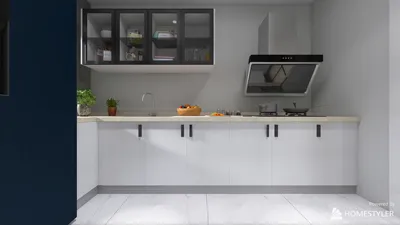


What is the most common core problem in Mediterranean style design?
Mediterranean interiors most commonly struggle with balancing rich ornamentation and spatial harmony.
Quick Takeaways
1. Excessive decorative elements can overwhelm a room's natural light and space. 2. Misuse of color palettes disrupts the serene yet vibrant essence. 3. Ignoring traditional proportions causes visual imbalance. 4. Mixing incompatible textures dilutes the style’s authenticity. 5. Neglecting outdoor and indoor flow loses Mediterranean openness.
Introduction
When working with Mediterranean interiors, I often notice designers getting tripped up by the style's inherent complexity. It demands a delicate balance between rustic warmth and elegant simplicity, often leading to clutter or mismatched elements that stray from its authentic roots. Navigating this aesthetic requires more than just picking terracotta hues and wrought iron accents; it demands a thoughtful orchestration of light, texture, and proportion to truly capture the Mediterranean spirit.
Why It Goes Wrong
Mediterranean design falters principally because of over-decoration, proportion imbalances, and style confusion. The style thrives on a warm, inviting ambiance, but adding too many ornate details or conflicting motifs overwhelms the senses rather than defining the space. Misjudging the scale between heavy materials like stone and wood against delicate fabrics or light finishes breaks harmony. Additionally, blending other styles without restraint often muddies the core Mediterranean narrative, leaving interiors feeling incoherent and artificial.
Mistake 1
The Mistake: Flooding spaces with too many decorative objects, such as excessive ceramic vases, artificial flowers, and patterned cushions that compete visually. Why It Happens: There’s a misconception that more ornamentation equals better Mediterranean authenticity. The Fix: Limit decorative items to a few signature pieces per room and allow for negative space to highlight each object’s craftsmanship. Ideally, cap decorative elements around five per main seating or dining area.
Mistake 2
The Mistake: Choosing color schemes that are either too muted or overly bright, losing the characteristic balance of earthy tones with vibrant accents. Why It Happens: Designers may get confused by the palette’s diversity, swinging from dull beige to saturated blues without cohesion. The Fix: Anchor palettes using warm neutrals like sunbaked terracotta and sand, then layer in complementary blues, greens, or yellows at 10–15% saturation to maintain energy without overpowering the senses.
Mistake 3
The Mistake: Overlooking correct scale and proportion when choosing furniture, resulting in mismatched sizes that feel awkward or cramped. Why It Happens: Mediterranean furnishings tend to be substantial in form but can overwhelm smaller rooms if not selected thoughtfully. The Fix: Measure spatial dimensions carefully and opt for streamlined versions of classic Mediterranean pieces, ensuring aisles remain at least 36 inches wide for comfortable circulation.
Mistake 4
The Mistake: Combining too many textures—rough stone, polished metal, woven fabrics—without unifying elements, creating visual discord. Why It Happens: This style suggests richness through layers, but without an anchoring material or color, it feels chaotic. The Fix: Choose two primary textures—for instance, matte stone and distressed wood—and repeat them consistently across surfaces. Accent with one or two softer textiles to provide contrast while maintaining cohesion.
Mistake 5
The Mistake: Ignoring the flow between indoor and outdoor spaces, which is essential for Mediterranean living. Why It Happens: Focusing solely on interiors without considering terraces, patios, or garden views neglects the open-air lifestyle this style promotes. The Fix: Create seamless transitions with large windows, matching flooring materials, and coordinated color schemes. Incorporate outdoor furniture and greenery that complement the interior design.
Designing the Look
Homestyler’s ‘Mediterranean’ offers a comprehensive set of ready-to-use 3D models specifically curated to embody this aesthetic, allowing designers to achieve authentic results with professional-grade textures and forms.

Vintage Solid Oak Round Side Table Classic Turned Pedestal 3D Model
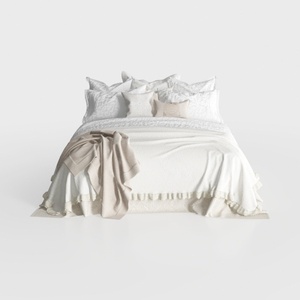
Minimalist Neutral Fabric King Size Bed 3D Model

Minimalist Mint Fabric Armchair 3D Model

Minimalist Fabric Upholstered 3 Seater Sofa With Decorative Throw Pillows 3D Model

Bohemian Tribal Pattern Area Rug Geometric Design 3D Model

Kearsten Brown 33.8 in. Wood Bar Table
FAQ
Q1: How can I achieve a Mediterranean look without overcrowding my space?
Achieving a Mediterranean aesthetic without crowding involves prioritizing quality over quantity in decorative elements. Select a few statement pieces that embody the style’s core attributes—terracotta pottery, hand-painted tiles, wrought iron lighting—while ensuring ample open space to let natural light and textures shine. Remember, Mediterranean style is grounded in balance and harmony, not maximalism.
Q2: What color combinations best represent Mediterranean design?
Traditional Mediterranean palettes combine warm earth tones such as ochre, burnt sienna, and terracotta with soft neutrals like cream and sand. These base colors are enlivened by vibrant accents in cobalt blue, olive green, or sunflower yellow. Maintaining a ratio where 70-80% of the palette includes neutrals and earth tones, with 20-30% as accent colors, helps keep interiors energetic yet grounded.
Q3: Can Mediterranean style be adapted for small urban apartments?
Yes, Mediterranean style can be tailored to small urban apartments by focusing on essential elements that suggest the aesthetic without overwhelming space. Use lighter versions of traditional materials such as distressed wood furniture scaled down to fit, select wall colors that reflect warm neutrals, and incorporate decorative accessories with authentic textures but in moderation. Additionally, maximize natural light and incorporate small indoor plants to invoke outdoor connections characteristic of Mediterranean living.
Homestyler's roots trace back to Autodesk, the global leader in design and engineering software. That heritage lives on in every feature we build. Today, with a community of more than 18 million users worldwide, Homestyler continues to make professional-quality interior design accessible to everyone — from first-time decorators to seasoned architects.
Design your ideal space with Homestyler, turn your creativity into reality, and craft a unique home style that is truly your own.
Concevez maintenant gratuitement
































