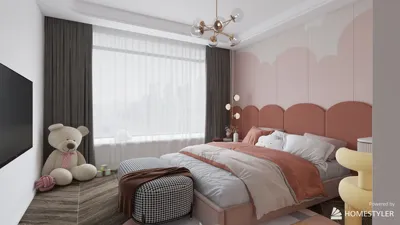


Conclusion
Maximalist and Minimalist styles represent fundamentally different approaches to interior design. Maximalist embraces bold color, dense ornamentation, and layered textures, creating dynamic, visually stimulating spaces. In contrast, Minimalist prioritizes simplicity, clean lines, and functional minimal décor for a serene, uncluttered environment. The core challenge in choosing between them lies in balancing emotional expression with spatial calm, personal preference with lifestyle needs. Neither style is better universally; the right choice depends on your tolerance for visual complexity and desire for spatial openness.
Style A Deep Dive
Maximalist style builds spaces that are rich in personality and layered storytelling. It thrives on combining varied textures, vibrant hues, and diverse patterns in bold contrasts. This style suits environments that benefit from an eclectic, lived-in aesthetic—think lively living rooms or creative studios where energy and inspiration are key. However, maximalism can overwhelm smaller spaces or those favoring calm, as the density of elements risks visual clutter without thoughtful curation.
Style B Deep Dive
Minimalist design champions simplicity and clear spatial logic. It features neutral palettes, essential furnishings with clean lines, and a restrained use of decoration. Ideal for urban apartments or offices where focus and tranquility are paramount, minimalism creates an airy, open environment. Its limitation can appear as sterility or lack of warmth if the balance between function and softness is not carefully maintained.
Head-to-Head
| Dimension | Maximalist | Minimalist | |----------------|-----------------------------------------------|----------------------------------------------| | Color Palette | Vibrant, bold, often clashing or layered hues | Neutral, subdued tones like whites, greys | | Materials | Mixed textures: velvet, wood, metals, ceramics| Smooth surfaces: glass, metal, plain textiles| | Spatial Feel | Dense, dynamic, visually busy | Open, airy, uncluttered | | Target User | Creative, expressive personalities | Organized, calm individuals |
How to Choose
For spaces prioritizing vibrant personality and artistic expression, Maximalist style is ideal. Start by layering textures and mixing patterns intentionally to avoid chaos. Use statement furniture and color saturation wisely to energize the room. Conversely, Minimalism fits those who value calmness and simplicity. Focus on functional layouts, limit your color scheme, and choose essential furniture that supports ease of living without distractions. Assess your space size and lifestyle demands before deciding which style aligns with you.
Designing the Look
If Maximalist is the direction you're drawn to, Homestyler's 'Maximalist Furniture' gives you a ready-built library to start experimenting immediately — no sourcing, no scale guesswork, just design.

throw pillow-Maximalist Furniture

loveseat-Maximalist Furniture

dining table-Maximalist Furniture

bedroom bench-Maximalist Furniture

coffee table-Maximalist Furniture

rug-Maximalist Furniture
FAQ
Q1: How can one prevent Maximalist interiors from feeling chaotic?
Design control comes from carefully selecting and limiting color palettes, grouping patterns by color family, and balancing heavy ornamentation with open spacing. Using a unifying element such as a single dominant color or recurring textures helps maintain cohesion.
Q2: What are practical tips for adding warmth to Minimalist spaces?
Incorporate natural materials like wood or stone, add soft textiles such as wool or linen, and use indirect lighting to create softness. Layering minimal decor elements with focus on quality over quantity adds personality without clutter.
Q3: Which style is more adaptable for hybrid home offices?
Minimalist design generally adapts better for hybrid workspaces as it fosters concentration and reduces visual distractions. However, elements from Maximalism—like accent artwork or plants—can personalize the space without overwhelming it.
Homestyler's roots trace back to Autodesk, the global leader in design and engineering software. That heritage lives on in every feature we build. Today, with a community of more than 18 million users worldwide, Homestyler continues to make professional-quality interior design accessible to everyone — from first-time decorators to seasoned architects.
Homestyler is a professional interior design software that helps users effortlessly create their dream home.
지금 무료로 디자인하세요
































