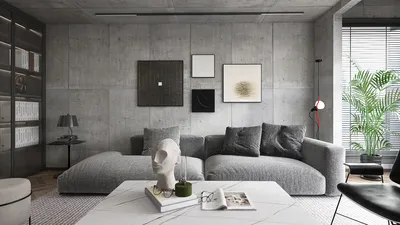


Matisse-Inspired Furniture encapsulates a bold interplay between color, form, and function, challenging designers to harmonize vivid visual elements with livable spatial dynamics. The core design challenge lies in balancing its characteristic vibrant shapes and patterns without overwhelming the room’s spatial sense. Matisse’s aesthetic is rooted in spontaneity and expressive, often abstract forms—colors that demand attention and furniture pieces that serve as both functional objects and artistic statements. Overusing saturated hues or dense patterns can quickly clutter a space, making it feel disjointed or chaotic. Conversely, insufficient integration of these motifs risks diluting the style’s essence, leaving interiors bland or uninspired. Navigating this tension requires deliberate control over proportionality and palette selection, ensuring each piece contributes to a cohesive narrative. The design process thus revolves around a measured rhythm: introducing strong visual bursts with Matisse-inspired furniture balanced by more subdued background elements. Furniture shapes often echo the artist’s cut-out style, with curved edges and simplified geometry that must be paired appropriately with surrounding architecture and room scale. Additionally, the use of vibrant complementary colors demands refined lighting schemes to avoid flattening textures or creating harsh contrasts that disrupt flow. Every element, from spatial layout to accessory choices, needs to be orchestrated deliberately to emulate Matisse’s vibrant yet harmonious compositions. The challenge is not merely aesthetic but spatial—this artful balance transforms rooms into immersive experiences where furniture acts as the core expressive element while supporting comfortable, functional living.
Step 1: Layout Logic — Spatial Proportion and Furniture Arrangement
Working with Matisse-inspired furniture requires acute attention to room dimensions and scale relationships. Begin by measuring your space to establish a baseline for furniture sizing that ensures neither overcrowded nor underutilized areas. Oversized pieces with bold curvilinear forms can dominate smaller rooms, so select scaled-down versions or cluster groupings that maintain visual balance. Arrange seating and tables to create conversational zones while allowing clear pathways, ensuring furniture placement emphasizes flow. The organic shapes characteristic of these pieces perform best when spaced to accentuate their sculptural qualities, so avoid pushing items flush against walls. Anchor the composition by defining focal points—such as a standout armchair or sideboard—around which supportive elements cluster. Using asymmetrical balance rather than traditional symmetry keeps the design dynamic and aligned with Matisse’s sense of playful abstraction. Integrate negative space deliberately to provide breathing room for the furniture’s intricate silhouettes. This spacing highlights individual pieces, preventing a visual overload that clashes with the airy ethos of the style. Consider multi-functional furniture that compliments the form yet enhances usability, like nesting tables with softened edges or modular seating allowing adaptable arrangements. Prioritize circulation routes that weave naturally amid these pieces to maintain an organic and fluid spatial experience.
Step 2: Light and Shade — Colour Palette Selection and Lighting Coordination
Color harmony in Matisse-inspired interiors hinges on an artful balance of vivid hues against grounding neutrals. Start with a pared-back base—soft creams, warm beiges, or subtle greys—to anchor the room. This background allows the furniture’s saturated reds, cobalt blues, and sunlit yellows to pop without becoming visually oppressive. Integrate color strategically by using accent walls or patterned textiles echoing the furniture’s motifs to create a layered depth. Avoid over-saturation by limiting dominant colors in upholstery or paint to one or two key shades, using complementary tones for smaller elements such as cushions or rugs to support continuity. Lighting selection is crucial: combine natural light with warm artificial sources like soft LEDs or pendant lamps with diffusers. These soften shadows cast by furniture’s rounded edges, enforcing a sense of warmth and intimacy characteristic of Matisse’s work. Avoid stark fluorescents or direct spotlights, which flatten the richness of surfaces and distort colors. Employ directional lighting that models contours and highlights textures without creating glare. Consider the time of day lighting will impact the space and layer multiple light sources to adapt to shifting natural conditions. Reflective surfaces like brass fixtures or ceramic vases can bounce light to extend illumination subtly, enriching the overall color experience.
Step 3: Finishing Touches — Small-Scale Models to Enhance Overall Quality
Incorporating small decorative elements is essential to knit the Matisse palette and shapes into a cohesive environment. Choose accessory pieces that complement the furniture’s color and whimsical forms such as abstract ceramic sculptures, patterned throw pillows, or artisanal woven baskets. These details should be meticulously curated to avoid clutter; select statement objects at varying heights to lead the eye around the room organically. Mixing textures—matte pottery with glossy surfaces, soft textiles with rigid forms—helps highlight the furniture’s materiality and adds sensory richness. Introduce botanical accents sparingly through sculptural plants or floral arrangements echoing Matisse’s love for nature’s bold colors and organic forms. Use trays, books, or framed prints that reflect the furniture’s artistry for a layered but intentional decor narrative. Pay equal attention to window treatments, choosing sheer fabrics or light curtains that maintain openness yet introduce softness to the silhouette. Small decorative lighting fixtures like lava lamps or custom art lamps can also function as both practical and artistic touches. By selecting and positioning these smaller-scale items intentionally, the overall spatial rhythm improves, reinforcing the room’s thematic fidelity while supporting everyday usability.
Designing the Look
For designers working in Homestyler, the Matisse-Inspired Furniture is a practical shortcut to authenticity. It removes the guesswork from sourcing — every piece is pre-matched in scale, material, and proportion to deliver a coherent Matisse-inspired result.

multi-seat sofa-Matisse-Inspired Furniture

tile-Matisse-Inspired Furniture

single sofa-Matisse-Inspired Furniture

wallpaper-Matisse-Inspired Furniture

lounge chair-Matisse-Inspired Furniture

curtains-Matisse-Inspired Furniture
FAQ
Q1: How do I ensure Matisse-inspired furniture fits smaller living spaces without overwhelming them?
Start by measuring your room carefully and select scaled-down or modular versions of Matisse-inspired pieces. Prioritize items with clean, graceful curves and avoid clustering too many bold colors in one area. Use negative space as a design tool and pair furniture with neutral backgrounds to maintain an open, balanced feel.
Q2: What lighting techniques best highlight the vivid colors and shapes characteristic of Matisse’s style?
Utilize layered lighting schemes combining warm ambient sources with diffused directional lamps that accentuate the furniture’s contours without harsh shadows. Avoid fluorescent or overly bright LEDs. Incorporate reflective surfaces to bounce light softly and vary intensities to adapt to natural daylight changes.
Q3: How can small decorative objects complement large Matisse-inspired furniture without creating clutter?
Use accessories that echo the furniture’s color palette and abstract forms in a restrained manner, such as select ceramics, cushions, or plants arranged at varying heights. Mix textures and keep a deliberate spatial rhythm, ensuring accessories enhance rather than compete with the furniture’s visual prominence.
Built on technology originally developed at Autodesk, Homestyler empowers anyone to design beautiful, realistic spaces in minutes. Join over 18 million users who have already discovered a smarter way to plan, visualize, and bring their dream homes to life — all from the comfort of a browser.
Homestyler has millions of users worldwide, making it one of the most popular online home design platforms.
Diseño ahora GRATIS
































