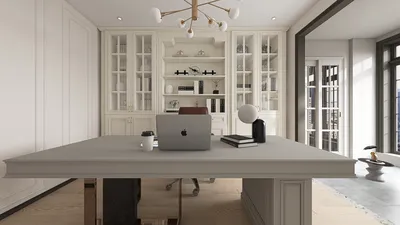


Core Design Challenges of Andalusian Style Furniture
Andalusian style furniture embodies a unique fusion of Mediterranean warmth and Moorish intricacy, presenting a distinct set of design challenges that center on balancing ornate detail with spatial harmony. The core challenge lies in integrating elaborate wooden craftsmanship, intricate tile inlays, and rich textiles without overwhelming the space or compromising functional flow. Designers must contend with marrying the textured surfaces—such as hand-carved screens and wrought iron accents—with light, open layouts characteristic of Southern Spanish architecture. Achieving a cohesive look demands deliberate choices in scale, proportion, and material continuity to prevent visual clutter. Furthermore, the interplay between rustic warmth and refined elegance calls for a finely tuned palette that honors tradition yet feels inviting and livable today. Selecting furniture pieces that echo classic Andalusian forms but adhere to modern usability remains a crucial tension. The coexistence of bold colors and subdued earth tones within the same environment requires precise calibration to maintain a sense of tranquility amid the richness. Careful layering of textiles—embroidery, woven rugs, and leather—must be strategically positioned to avoid competing focal points. Designers often wrestle with the duality of creating interiors that are simultaneously grand and intimate. This delicate balance extends beyond materiality to the spatial arrangement, where the placement of heavy wooden furnishings and decorative accents must support natural light penetration and encourage sociability. Ultimately, mastering Andalusian style furniture involves embracing its cultural narrative fully while modulating its intensity to produce interiors that celebrate heritage without sacrificing comfort or function.
Step 1: Layout Logic — Space Proportion and Furniture Placement
One definitive hallmark of Andalusian interiors is the harmony between grand architectural features and carefully curated furniture. Begin by assessing the room’s spatial proportions—especially ceiling height and window placement—to use scale effectively. Heavy, carved wooden chairs or cabinets should anchor larger rooms but remain sparse enough to maintain openness. Positioning furniture to capitalize on natural light is key; for instance, placing storied armchairs near tall windows frames both the view and the pieces themselves. Avoid overcrowding with too many intricate items; instead, select fewer statement furnishings that allow the eye to appreciate craftsmanship. Low-profile seating, such as upholstered benches with Moorish motifs, can delineate functional zones without blocking traffic flow. Incorporate open shelving or console tables with wrought iron detailing opposite solid wood chests to balance visual weight. Use rugs layered under furniture sets to define boundaries and soften transitions between warm terracotta tiles and plastered walls. Maintaining consistent spacing—around 18 to 24 inches between pieces—helps preserve a conversational atmosphere while accommodating circulation. Finally, integrate built-in niches or alcoves with display shelves for ceramic pottery or traditional Andalusian lamps to personalize the space without crowding. This layout approach embraces the symmetry and rhythm foundational to Andalusian design while keeping the environment inviting.
Step 2: Light and Color — Tone Selection and Light Source Pairing
Lighting and color choices are pivotal when designing with Andalusian style furniture. The traditional color palette weaves together warm earth tones like ochre, terracotta, and burnt sienna alongside jewel-infused accents such as deep cobalt blue and verdant greens. Walls often boast a soft stucco finish in off-white or muted beige to act as a neutral backdrop against which darker furniture can stand out. Implement layered lighting strategies—natural daylight, ambient sources, and focused task lighting—to sculpt the space’s mood. Tall, arched windows and skylights should be unobstructed, allowing sunlight to enliven carved wood and ceramic glazes. Supplement with wrought iron chandeliers or lanterns featuring amber glass for a golden cast after dusk. Incorporate wall sconces made from copper or brass to highlight textural contrasts between plaster and textiles. When selecting upholstery, opt for fabrics in muted, natural dyes rather than overly vibrant patterns to maintain authenticity. Introducing subtle tonal variations in cushions or draperies adds depth without disrupting balance. Reflective surfaces, such as hand-cut mosaic tiles behind shelving or in recessed wall panels, bounce light and create playfulness that complements Andalusian vibrancy. Thoughtful alignment of color temperature and fixture placement ensures the furniture’s texture and detail are accentuated without harsh shadows or glare.
Step 3: Finishing Touches — Using Small-Scale Models to Enhance Overall Texture
Small decorative elements significantly influence the tactile and visual quality of Andalusian interiors. Incorporate handcrafted ceramics, terra-cotta planters, and colorful glazed tiles as accent pieces to evoke regional authenticity. These small-scale models can be placed strategically on side tables, shelves, or embedded into furniture details to create a layered composition that invites closer examination. Textiles such as embroidered throw pillows or woven table runners with traditional motifs provide warmth and softness amid heavier wooden furnishings. Positioning vintage brass candleholders or filigree lanterns in corners or atop consoles introduces subtle points of light and intricate shadows. Integrating carved wooden masks or Moorish arch mirrors offers occasional vertical rhythm and contrast to linear furniture arrangements. When choosing these accessories, prioritize craftsmanship and heritage elements over mass-produced decor for a genuine feel. Arranging clusters of varied sizes and textures helps unify smaller spaces within rooms, contributing dimension and preventing monotony. Mindful curation of these subtle entities completes the sensory narrative, enriching the tactile diversity while reinforcing the style’s cultural story.
Designing the Look
For designers working in Homestyler, the Andalusian Style Furniture is a practical shortcut to authenticity. it removes the guesswork from sourcing — every piece is pre-matched in scale, material, and proportion to deliver a coherent Mediterranean Andalusian result.

woven basket-Andalusian Style Furniture

pendant light-Andalusian Style Furniture

sideboard-Andalusian Style Furniture

throw pillow-Andalusian Style Furniture

rug-Andalusian Style Furniture

pendant light-Andalusian Style Furniture
FAQ
Q1: How can I maintain the traditional Andalusian furniture style without making the space feel outdated?
To preserve the traditional essence while avoiding a dated look, blend classic carved wooden pieces with simpler, contemporary textiles or cushions in neutral tones. Balance ornate details with minimalistic architecture and open floor plans to create freshness. Keep the palette grounded in natural earth tones and incorporate modern lighting fixtures that complement rather than compete with the antique elements.
Q2: What are effective ways to combine Andalusian furniture with different flooring types?
Terracotta tiles are most authentic, but if alternatives like wood or stone are used, ensure their colors warm and neutral to harmonize with furniture hues. Layering area rugs with Moorish patterns or natural fibers can bridge the visual gap between floor and furnishings. Avoid overly glossy or cold flooring materials that may disrupt the warm Mediterranean feel typical of Andalusian design.
Q3: How do I approach lighting in rooms filled with heavily carved or dark wood Andalusian furniture?
Use multiple light sources to avoid shadows that can obscure detailed carving. Combine natural daylight with soft ambient lights and task lighting focused on accent areas, such as display cabinets or seating. Utilizing warm bulbs and fixtures with amber or frosted glass helps enhance wood tones and maintain ambiance. Incorporating reflective surfaces like mirrors aids in spreading light evenly.
What began as an Autodesk innovation has evolved into a design platform used by more than 20 million people around the globe. Homestyler combines powerful rendering, an intuitive editor, and a vast furniture library to help you turn inspiration into photorealistic designs — whether you're redesigning a single room or planning an entire home.
Homestyler's powerful 3D rendering feature brings your design concepts to life with incredible detail.
Design Now for FREE
































