


Introduction
Luxury Vibe is not merely an aesthetic choice but a refined philosophy rooted in the transformative power of sumptuous materials and timeless compositions. This style reflects a deliberate intersection of classical opulence intertwined with contemporary elegance, striving to awaken a sensory dialogue between space and inhabitant. At its core, Luxury Vibe champions the use of tactile richness and sculptural forms that both command presence and invite intimate interaction. Emerging from traditions that celebrate craftsmanship and indulgence, it moves beyond simple decoration to embrace a harmonious balance between grandeur and sophistication. The philosophical foundation here involves a commitment to detail—where nothing is incidental and every surface speaks to a narrative of exclusivity. While the term 'luxury' often conjures notions of excess, this style tempers lavishness with restraint, often positioning itself against ephemeral trends, emphasizing instead enduring beauty and quality. This dialectic of lavish materials softened by elegant proportions and poised restraint defines the style's architectural and decorative vocabulary. Interiors donned in Luxury Vibe are characterized by spaces that feel curated rather than cluttered, polished yet palpably warm. Distinctive yet welcoming, this style navigates the tension between visual drama and lived comfort, appealing to those who seek refinement without ostentation. By blending tradition with modernity, the style crafts environments that simultaneously celebrate heritage and embrace innovation, resulting in spaces that inspire both awe and relaxation.
Core Elements
1. Textural Depth: The essence of the Luxury Vibe lies profoundly in its rich and layered textures. This style favors surfaces that evoke sensory responses—velvet and silk fabrics enrich upholstery and drapery with softness and sheen, while polished marble and glossy lacquered woods contribute a luminous weight to furniture and architectural details. The palette of textures extends to subtle contrasts within materials themselves: a matte stone countertop paired with a high-gloss backsplash, or hand-stitched leather cushions set against sleek metal frames. Texture in Luxury Vibe is never accidental; it is deliberately composed to produce a tactile hierarchy within a space, inviting touch and imbuing rooms with a multi-dimensional quality. Even hard surfaces are carefully chosen to reflect differing finishes—brushed brass fittings, sculpted ceramics, and hand-rubbed patinas all serve to enrich the sensory environment. This involvement of varied surfaces contributes to a visual narrative that speaks of craftsmanship and deliberate choices rather than mere decoration.
2. Sculptural Form: Form in the Luxury Vibe style transcends function to assert presence and identity. Furniture and architectural details exhibit sculptural qualities through bold yet balanced profiles—graceful curves on a chaise lounge, the geometric precision of a console table, or the stacked volumetrics of a tiered chandelier. These forms command attention not through flamboyance but through considered proportions and articulate design language. The use of symmetry and repetition reinforces a sense of order and formality, yet asymmetrical elements are employed strategically to introduce dynamic contrast and intrigue. The architecture embedded within the style facilitates fluid movement between spaces, emphasizing volumetric performance rather than mere spatial enclosure. Distinctive silhouettes engage with light and shadow, further enhancing the drama and sophistication intrinsic to the aesthetic. These sculptural forms work in tandem with texture and color to cultivate an enveloping environment that elevates everyday experiences into moments of visual delight.
3. Sophisticated Color Palette: Color within the Luxury Vibe is approached with a refined subtlety that complements its textural and formal aspirations. The palette typically revolves around rich yet muted tones such as deep emerald, navy blue, charcoal, and metallic accents in gold or aged brass. These colors are punctuated by softer neutrals—ivory, taupe, and warm grays—that function to ground and balance the composition. This deliberate moderation avoids overt brightness, favoring instead colors that deepen the sense of intimacy and calm. The application of color is also mindful of materiality; jewel tones may be reserved for plush velvets and silks, while metals and lacquered finishes lend themselves to warm reflective hues. The interplay of matte and glossy effects across color surfaces intensifies the spatial narrative, ensuring each hue participates in the overall harmony without overpowering. This selective palette consistently reinforces the style’s allegiance to timelessness and understated elegance, enabling spaces to feel both exclusive and accessible.
Designing the Look
Homestyler’s ‘Luxury Vibe’ offers a comprehensive set of ready-to-use 3D models specifically curated to embody this aesthetic, allowing designers to achieve authentic results with professional-grade textures and forms. The availability of these meticulously crafted models significantly reduces the gap between conceptual intent and real-world application, empowering both emerging and established designers to visualize and iterate with precision. These 3D assets range from sumptuous upholstered seating to intricately patterned rugs and elegant lighting fixtures, each designed to maintain the style’s hallmark balance of opulence and restraint. By integrating these models within digital workflows, designers can experiment with spatial relationships, scale, and material interplay before committing to physical production. This precision offers an unparalleled opportunity to explore how texture, form, and color converge within Luxury Vibe, fostering environments where every element contributes coherently to an overarching narrative of elegance. Moreover, this resource acknowledges the modern demand for efficiency without compromising design integrity, enabling seamless collaboration across disciplines and accelerating project timelines. The specialized textures leverage high-resolution mapping to simulate tactile realism, allowing stakeholders to engage with a near-tangible essence of materiality digitally. In essence, this toolkit is an essential bridge between artistry and execution, marking a new chapter for those dedicated to embodying Luxury Vibe with authenticity and sophistication.

Modern Luxury Glass Metal Dining Table Place Setting 3D Model

Minimalist Modern Home Decor Accessories 3D Model

Contemporary Brass Glass Acrylic Side Table 3D Model

Modern Two Tone Fabric Asymmetrical Chaise Lounge 3D Model

Nov Trending Search Model-TV Stand 17
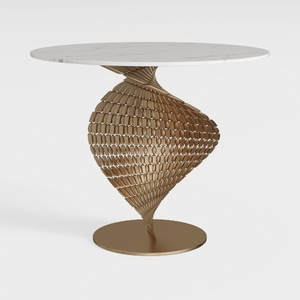
Modern Marble Top Gold Metal Artistic Dining Table 3D Model
FAQ
Q1: What materials are most essential to achieving the Luxury Vibe style authentically?
Achieving an authentic Luxury Vibe requires an emphasis on materials that convey richness and refinement. Key materials include natural stones like marble and granite, lavish fabrics such as velvet and silk, polished woods with fine veneers, and metals finished in brushed gold or brass. Each material is selected for its ability to add tactility and depth, avoiding plastics or synthetic finishes that undermine the quality-driven philosophy of the style. Combining these materials thoughtfully ensures the multilayered texture that defines Luxury Vibe.
Q2: How does lighting influence the perception of sophistication in the Luxury Vibe?
Lighting is instrumental in amplifying Luxury Vibe’s sophisticated atmosphere. Layered lighting schemes incorporating ambient, task, and accent sources allow intricate textures and sculptural forms to be sculpted by light and shadow effectively. Use of warm, dimmable LEDs and fixtures with metallic or crystal components enhances the sense of opulence while maintaining comfort. Proper lighting not only highlights design elements but also modulates the mood, rendering spaces inviting yet majestic.
Q3: Can Luxury Vibe interiors accommodate modern minimalist principles without losing identity?
Yes, Luxury Vibe accommodates minimalist principles through restrained decoration and clean architectural lines, but it avoids minimalism’s hallmark austerity by employing rich materials and nuanced textures. It blends formality with warmth, using minimalist spatial organization but with luxurious finishes and sculptural details that create a distinctive character. This convergence allows interiors to feel uncluttered while still communicating exclusivity and comfort.
What began as an Autodesk innovation has evolved into a design platform used by more than 18 million people around the globe. Homestyler combines powerful rendering, an intuitive editor, and a vast furniture library to help you turn inspiration into photorealistic designs — whether you're redesigning a single room or planning an entire home.
Leverage Homestyler's AI-powered features to quickly generate professional interior design schemes.
Zaprojektuj teraz za darmo
































