

Conclusion
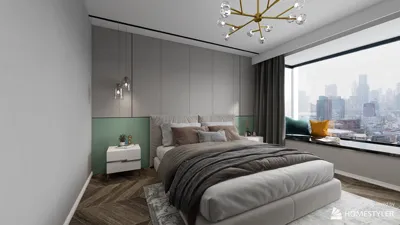
Luxe Space and Modern Minimalism each offer distinct approaches to interiors: one embraces opulence and layered textures, while the other champions simplicity and restraint. The major dilemma lies in balancing the desire for richness against the appeal of understated elegance, depending on lifestyle and spatial needs.
Style A Deep Dive: Luxe Space
The Luxe Space style is defined by its commitment to lavish materials and tactile richness. Think deep velvets, polished marbles, and metallic accents that create a sense of grandeur. It thrives in larger living spaces where layered furnishings and dramatic lighting schemes can take center stage. Luxe Space works best for those who appreciate visual drama and aren’t afraid to mix patterns or textures to achieve an indulgent yet curated feel. However, it can overwhelm compact rooms and requires careful balancing to prevent an overly cluttered effect.
Style B Deep Dive: Modern Minimalism
Modern Minimalism simplifies interiors down to the essential, focusing on clean lines, neutral palettes, and open spatial flow. Materials such as smooth wood, matte metals, and subtle textures create calm and order. This style suits apartments or homes where maximizing light and airiness is crucial. It appeals to those who desire an unpretentious yet modern atmosphere, with a strong emphasis on functional design. Its limitations include potentially feeling cold if not warmed by natural textures, and limited scope for personalized adornments.
Head-to-Head
| Dimension | Luxe Space | Modern Minimalism |
|---|---|---|
| Color Palette | Rich jewel tones, golds, blacks | Whites, greys, muted earth tones |
| Materials | Velvet, marble, brass | Matte wood, steel, concrete |
| Spatial Feeling | Layered, cozy, opulent | Open, airy, uncluttered |
| Target Audience | Those valuing luxury and statement interiors | Minimalists seeking peace and efficiency |
How to Choose
Opt for Luxe Space if you have room to play with rich textures and are attracted to a more dramatic and expressive aesthetic. Consider Modern Minimalism if you prefer calm, easy-to-maintain spaces with a focus on function and restraint. Also consider your lifestyle—Luxe Space suits more formal or entertaining homes, while Minimalism fits active, on-the-go individuals valuing simplicity.
Designing the Look
If Luxe Space is the direction you're drawn to, Homestyler's 'Luxe Space' gives you a ready-built library to start experimenting immediately — no sourcing, no scale guesswork, just design.
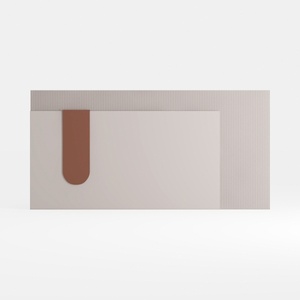
Minimalist Solid Wood Leather Accent Cabinet 3D Model

Modern Velvet Upholstered Brass Accent Ottoman 3D Model

cabinet-Luxe Space

Cute Cartoon Girl Rabbit Resin Decorative Table Lamp 3D Model

Modern Brown Leather Tufted Modular Sectional Sofa 3D Model

Modern Minimalist Beige Solid Wood Shoe Cabinet With Gold Accents 3D Model
FAQ
Q1: What makes Luxe Space more suitable for larger rooms compared to Modern Minimalism?
Luxe Space relies on layered textures, statement furniture, and rich materials that benefit from ample space to prevent crowding, while Modern Minimalism works well in smaller rooms through its uncluttered design and focus on openness.
Q2: Can Modern Minimalism incorporate any of Luxe Space’s luxurious materials?
Yes, but sparingly. Incorporating small accents of brass or velvet in Modern Minimalism should focus on subtlety so as not to undermine its clean and understated core.
Q3: How do lighting choices differ between the two styles?
Luxe Space favors ambient, layered lighting like chandeliers or sconces to enhance richness. Modern Minimalism uses recessed or track lighting with clean lines to maintain simple spatial integrity.
Homestyler's roots trace back to Autodesk, the global leader in design and engineering software. That heritage lives on in every feature we build. Today, with a community of more than 18 million users worldwide, Homestyler continues to make professional-quality interior design accessible to everyone — from first-time decorators to seasoned architects.
Homestyler offers a vast library of furniture and decoration materials to meet all your design needs.
Progetta ora GRATIS
































