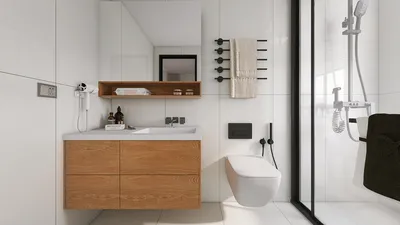


The Luxe Space style represents a refined balance between grandeur and functionality, presenting unique design challenges that revolve around managing spatial grandeur without sacrificing intimate comfort. The core difficulty lies in achieving visual harmony where scale and detail seamlessly coexist. Often, interiors at this level risk becoming overwhelmingly ornate or coldly expansive, but Luxe Space demands a nuanced orchestration of volume, texture, and form. Deep understanding of materiality and proportion is paramount. The finesse of this style resides in layering surfaces and lighting to sculpt depth and interest, while maintaining a restrained palette to avoid visual clutter. Designers must scrutinize how every element occupies and activates the room’s footprint — from the substantiality of statement furnishings to the subtlety of polished accents. Creating a cohesive Luxe Space is essentially an exercise in precision: balancing the luxurious simplicity of curves and symmetry with textural complexity achieved through carefully curated accessories. This style challenges the creator to navigate between lavishness and livability, forging interiors that feel both majestic and welcoming. In working towards this balance, one must embrace the tension between grand architectural features and the warmth of personalized detail, crafting spaces that invite an ongoing discovery, rather than a static display.
Step 1: Layout Logic — Spatial Proportion and Furniture Placement
Successful execution of Luxe Space hinges first on meticulous spatial planning. Begin by dividing your room into clearly defined zones, ensuring each area has adequate breathing room to prevent crowding, but without excessive emptiness. Furniture should be selected and arranged with a keen eye on scale; pieces must assert presence without overwhelming the space. Large sofas or armchairs should be complemented by smaller, sculptural chairs or tables that punctuate the room, promoting visual flow. Consider grouping seating in conversational clusters, positioning them to anchor activity while leaving comfortable circulation paths. Avoid pushing all furnishings flush against the walls; instead, float seating arrangements to create layered depth and a more intimate atmosphere within expansive spaces. Rugs are vital for unifying zones—select sizes that encompass furnishings without truncation. Precision in proportion extends to vertical elements too, with lighting fixtures and shelving units aligned thoughtfully to the room's height and architectural rhythm. The overall objective at this stage is to marry scale with snugness, which calls for a balance between statement furniture and supporting pieces that echo materiality without replication.
Step 2: Light and Color — Tone Selection and Source Coordination
Lighting and color palette are the sculptors of Luxe Space’s atmosphere and mood. The style favors a restrained, often monochromatic color scheme enriched with subtle variations in texture and sheen, such as matte walls paired with glossy metallic accents. Begin by choosing a neutral base—creamy whites, taupe, or soft greys provide an elegant canvas. Layer in jewel tones or muted golds sparingly to evoke richness. The lighting plan must be multilayered: combine ambient, task, and accent lighting for dimensionality. Statement chandeliers or pendent fixtures act as focal points, while recessed or cove lighting supplies gentle wash and reduces stark shadows. Incorporate table lamps and wall sconces to provide warm pools of light, encouraging a sense of cosiness within the grandeur. Dimmer controls are crucial to shift brightness levels and highlight different textures or decorative elements as the day progresses. Consider also how natural light interacts with surfaces — reflective materials like mirrors, glass, or lacquered finishes can amplify daylight and extend spatial perception.
Step 3: Finishing Touches — Small Pieces to Elevate Texture and Cohesion
Fine details are the subtle language through which Luxe Space speaks luxury. Thoughtfully chosen small decorative objects, sculpture, and curated artwork punctuate the design narrative and elevate the sense of curated refinement. Opt for accessories with tactile qualities — think hand-forged metals, plush velvets, smooth ceramics, or polished stone. Group smaller pieces in deliberate arrangements to avoid scattering visual focus. Books, bespoke vases, and artisan trays offer excellent opportunities to introduce layered textures while maintaining the room’s overarching palette. Mirrors framed in opulent yet restrained materials double spatial perception and bounce light strategically. Consistency in metal finishes across door handles, lamp bases, and tabletop objects reinforces design cohesion. Fresh or dried botanicals in sculptural vessels soften edges and introduce organic life without disrupting the style’s polished character. Even everyday objects like cushions and throws should be selected for their ability to harmonize texture and color; these elements build emotional warmth and tactile interest, preventing the space from feeling overly austere.
Designing the Look
For designers working in Homestyler, the Luxe Space is a practical shortcut to authenticity. It removes the guesswork from sourcing — every piece is pre-matched in scale, material, and proportion to deliver a coherent Luxe Space result.
Minimalist Solid Wood Leather Accent Cabinet 3D Model

Modern Velvet Upholstered Brass Accent Ottoman 3D Model

cabinet-Luxe Space

Cute Cartoon Girl Rabbit Resin Decorative Table Lamp 3D Model

Modern Brown Leather Tufted Modular Sectional Sofa 3D Model

Modern Minimalist Beige Solid Wood Shoe Cabinet With Gold Accents 3D Model
FAQ
Q1: How can I ensure that large furniture pieces don’t overpower the room in Luxe Space style?
Pay close attention to proportional relationships when selecting furniture. Choose oversized pieces with streamlined shapes and balanced forms. Floating these items away from walls, and complementing them with smaller-scale accessories and layered lighting, helps create a dialogue rather than domination within the space.
Q2: What are effective ways to control lighting to maintain Luxe Space’s refined ambiance?
Incorporate multiple lighting types—ambient, task, and accent—paired with dimmers for flexible mood control. Use warm-LED sources to enrich metallics and soften textures. Avoid harsh direct lights that flatten surfaces; instead, opt for indirect and layered lighting to develop depth and warmth.
Q3: How do I select decorative accessories without cluttering the design in Luxe Space interiors?
Focus on quality over quantity. Select fewer statement pieces that offer tactile and visual interest, harmonizing materials and colors with the room palette. Organize smaller items into purposeful groupings on tables or shelves to maintain clarity and intention in the design.
Built on technology originally developed at Autodesk, Homestyler empowers anyone to design beautiful, realistic spaces in minutes. Join over 18 million users who have already discovered a smarter way to plan, visualize, and bring their dream homes to life — all from the comfort of a browser.
With Homestyler, you can design and visualize your living spaces online with stunning, realistic results.
Design Now for FREE
































