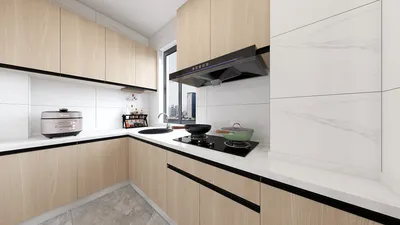


Defining Luxe Space reveals an aesthetic grounded in the pursuit of opulence through restrained elegance. This style originates from a philosophy that balances grandeur with subtlety—avoiding ostentation while still embracing richness. Luxe Space captures the desire for spaces that feel both inviting and distinguished, where every element contributes to a harmonious yet luxurious experience. The ethos behind Luxe Space lies in creating environments that echo timeless sophistication by mixing classic sensibilities with contemporary refinement. Rather than flamboyant displays, it values material quality and detail precision, enabling interiors to radiate warmth and depth. At its core, Luxe Space thrives on contrasts: the interplay of light and shadow, the melding of soft surfaces with hard edges, and the dialogue between modern minimalism and traditional craftsmanship. This duality produces interiors that feel deeply considered and thoughtfully composed. Color palettes embrace richness yet steer clear of excess, favoring hues that evoke comfort and exclusivity simultaneously. Material choices champion tactile sensations, combining sumptuous velvets, sleek metals, and polished wood finishes for sensory variety. In parallel, forms within Luxe Space articulate balance and proportion with layered textures enhancing spatial depth without disrupting visual calm. The result is a style that conveys quiet confidence. This philosophy aligns with contemporary lifestyles that seek both comfort and prestige, where personal expression is refined by a commitment to timeless allure. Luxe Space does not shout; it resonates softly through meticulous design decisions. It appeals equally to those who appreciate heritage-inspired environments and advocates for current design innovations. With an emphasis on quality over quantity, it is both a celebration of craft and a reflection of modern sophistication, inviting occupants to experience interiors crafted as carefully as bespoke garments.
Color Harmony: Luxe Space uses a carefully curated palette that walks a fine line between boldness and restraint. Deep jewel tones such as emerald green, sapphire blue, and amethyst form a rich foundation, often paired with muted neutrals like warm taupe and soft greys to soften intensity. Golden accents lend a sense of warmth and opulence, yet they are applied sparingly to retain balance and prevent visual overwhelm. This color approach creates an immersive ambiance where richness envelops the senses without excess. The palette’s deep hues inspire a feeling of regal comfort, evoking spaces reminiscent of noble heritage while embracing contemporary restraint. Layering these tones results in a dynamic color structure, where dark walls offer dramatic backdrops to lighter upholstery, and metallic highlights catch sunlight to enhance spatial vibrancy. The interplay of these shades cultivates sophistication while remaining inviting rather than intimidating.
Materiality and Texture: A hallmark of Luxe Space is the deliberate use of luxurious materials that bring tactile and visual interest into interiors. Velvet fabrics clad seating and cushions, their softness contrasting with the cold gleam of polished brass or chrome fixtures. Rich hardwoods in walnut or mahogany provide architectural warmth, with finishes that range from matte to high gloss depending on function and spatial role. Marble surfaces appear as elegant touches on countertops and tabletops, infusing spaces with natural patterns that complement the curated color scheme. The juxtaposition of smooth stone, plush textiles, and reflective metals creates a sensory-rich environment that invites touch and look alike. Surfaces tend to be layered thoughtfully; a velvet sofa might rest atop a handwoven wool rug, while adjacent bronze sconces bathe walls in warm light. These intersections of texture not only highlight material quality but also deepen spatial narratives, offering sophisticated complexity within a coherent design language.
Form and Silhouette: Luxe Space’s furniture and architectural details articulate a clear visual language grounded in proportion and sculptural clarity. Forms emphasize clean lines softened by curves—such as rounded chair backs and gentle arches—avoiding harsh minimalism or overly ornate carvings. Silhouettes are carefully crafted to convey both comfort and refinement; for example, lounge chairs with sinuous profiles invite relaxation while maintaining structural elegance. Architectural elements include paneled walls and built-in niches that introduce measured rhythm without clutter. The style favors balanced compositions where each piece relates harmoniously to its surrounding elements, creating a cohesive visual flow. Accents like slim legs supporting bulkier seats or low-profile coffee tables with geometric precision anchor spaces functionally and aesthetically. Through this approach, Luxe Space achieves an equilibrium where form supports function and artistic expression simultaneously—embodying modern luxury that is tactile and approachable rather than aloof.
Homestyler’s ‘Luxe Space’ offers a comprehensive set of ready-to-use 3D models specifically curated to embody this aesthetic, allowing designers to achieve authentic results with professional-grade textures and forms. Having access to meticulously crafted digital assets streamlines the design process, enabling professionals to focus on creative expression while ensuring technical precision. These models capture Luxe Space’s hallmark contrasts in materiality, color depth, and balanced forms, providing rich visual references and practical components for visualization. Designers can experiment with spatial arrangements, lighting scenarios, and surface finishes in a virtual environment that faithfully represents real-world possibilities. The value of such an asset pack is paramount for projects aiming to manifest Luxe Space’s distinctive style effectively. With over 120 models included, the selection covers essential furniture pieces, decorative elements, and architectural features foundational to this aesthetic. Utilizing these models facilitates collaboration across design teams, client presentations, and iterative refinement, all while maintaining fidelity to the style’s principles. In a competitive market, having reliable, high-quality digital tools not only enhances productivity but also elevates conceptual clarity, ensuring that every detail from texture grain to form curvature aligns with Luxe Space’s refined identity. Beyond practical benefits, these assets inspire creativity by offering a versatile palette of elements that can be mixed and matched to customize interiors. They support nuanced explorations of how luxurious materials and forms interplay within spatial compositions. The result is an accessible yet sophisticated resource that empowers designers to achieve timeless interiors without the guesswork, transforming visions into palpable spatial experiences founded on Luxe Space’s core aesthetic values.
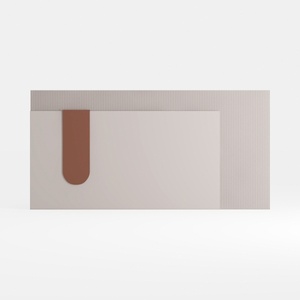
Minimalist Solid Wood Leather Accent Cabinet 3D Model

Modern Velvet Upholstered Brass Accent Ottoman 3D Model

cabinet-Luxe Space

Cute Cartoon Girl Rabbit Resin Decorative Table Lamp 3D Model

Modern Brown Leather Tufted Modular Sectional Sofa 3D Model

Modern Minimalist Beige Solid Wood Shoe Cabinet With Gold Accents 3D Model
Q1: What defines the color palette of Luxe Space interiors?
The color palette in Luxe Space intentionally blends rich jewel tones like emerald and sapphire with neutral base tones such as warm taupe and grey. This combination produces an atmosphere that feels both opulent and approachable. Metallic accents, especially gold finishes, punctuate the color scheme sparingly to add warmth and depth without overwhelming the visual balance, fostering a space that invites comfort alongside sophistication.
Q2: How important is material choice in achieving Luxe Space style?
Materiality is critical in Luxe Space design, as the style relies heavily on contrasting tactile experiences—velvets juxtaposed with polished metals, warm hardwoods paired with cool marble, and layered textures that heighten sensory engagement. Each material is selected for its quality and visual impact to reflect refined yet inviting interiors, emphasizing a balance of softness and structure that defines the aesthetic.
Q3: Can Luxe Space be adapted for smaller interior projects?
Absolutely. While Luxe Space evokes expansive luxury, the principles of balanced color, material richness, and sculptural but comfortable forms translate well to smaller spaces. Designers can focus on key selection of statement pieces and strategic layering of textures to convey the style without overwhelming scale. Using curated accessories and thoughtful lighting enhances spatial perception, allowing Luxe Space’s elegance to thrive regardless of room size.
What began as an Autodesk innovation has evolved into a design platform used by more than 18 million people around the globe. Homestyler combines powerful rendering, an intuitive editor, and a vast furniture library to help you turn inspiration into photorealistic designs — whether you're redesigning a single room or planning an entire home.
Leverage Homestyler's AI-powered features to quickly generate professional interior design schemes.
Design jetzt kostenlos
































