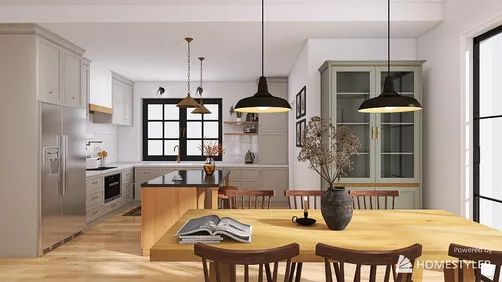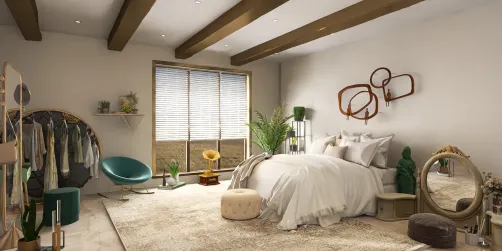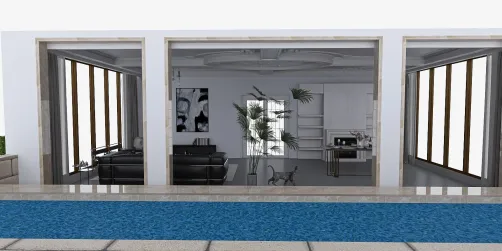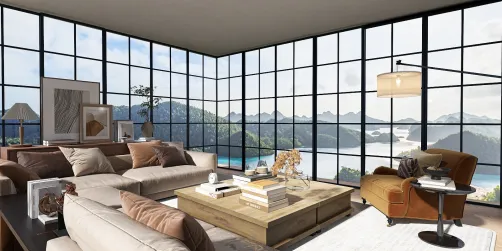



Keith Haring Style
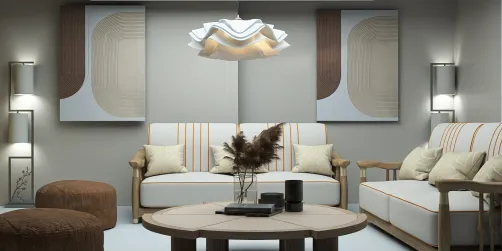
Defined by exuberant lines and kinetic energy, the Keith Haring style reflects a vibrant countercultural statement manifested in interior design. Rooted in the late 20th-century New York street art movement, this aesthetic defies conventional boundaries, channeling social activism and upbeat creativity into tangible spatial experiences. Its philosophy embraces movement and accessibility, inviting spaces to become interactive canvases rather than passive environments. Haring’s recurring motifs — radiant babies, barking dogs, and dancing figures — embody an infectious sense of joy and urgency. These symbols translate into interiors through bold, graphic language and dynamic compositions that provoke curiosity and engagement. Unlike minimalist or restrained design approaches, Keith Haring style revels in immediacy and exuberance, emphasizing presence over subtlety. This style challenges traditional notions of good taste by integrating elements often dismissed as graffiti or outsider art, generating a dialogue between fine art and everyday spaces. Conceptually, it champions freedom of expression and societal critique, making interiors not just visually arresting but conceptually potent. Spaces inspired by Haring become vibrant platforms where art and function collide, enlivened by strong narratives and relentless movement.
Core Elements
Color in the Keith Haring style is unmistakably vivid and daring. Primary hues such as radiant reds, electric blues, and sunny yellows dominate, often outlined in stark black to heighten contrast and visual punch. This palette echoes the immediacy and rawness of urban graffiti media while evoking emotional intensity. Unlike muted or pastel tones common in contemporary trends, the colors engage the senses directly, commanding attention and generating energy. The interplay of color is balanced to avoid chaos, using large pools of single hues alongside sharp linear accents, establishing rhythm and movement within spaces.
Materiality is equally vital, characterized by smooth, modern surfaces that mimic the glossy finish of murals and street art. Laminates, lacquered woods, and polished metals provide reflective qualities that amplify vibrant colors and dynamic form. These materials reinforce the graphic clarity and boldness of the style. Accompanying textures like rubberized paints and vinyl add tactile modernity, creating an atmosphere reminiscent of urban environments. The choice of materials bridges art and architecture, situating the style firmly within contemporary lifestyle while retaining its raw, rebellious soul.
Form within the Keith Haring style is fluid and organic, echoing the continuous lines and animated figures of the artist’s work. Furnishings and decor elements adopt undulating shapes and asymmetrical contours, resisting rigid geometries for more spontaneous expressions. Curved shelving units, sculptural chairs, and mural-like wall treatments embody this kinetic spirit, encouraging the eye to follow pathways without interruption. This organic morphology symbolizes movement and transformation, fostering an immersive environment alive with narrative and personal meaning.
Designing the Look
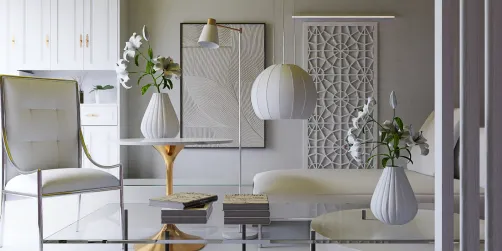
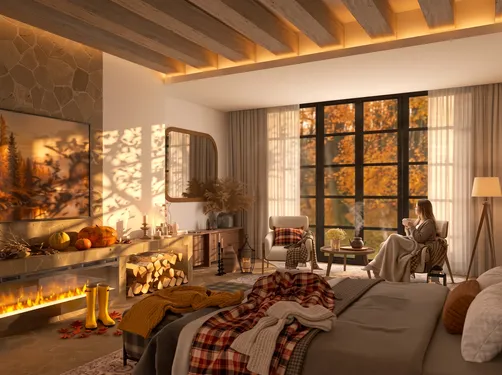
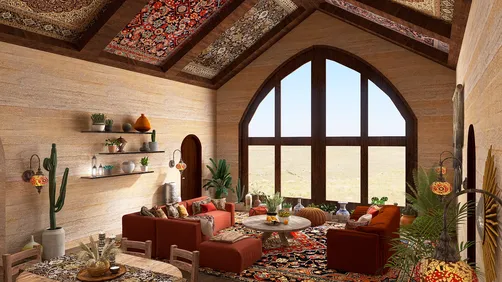
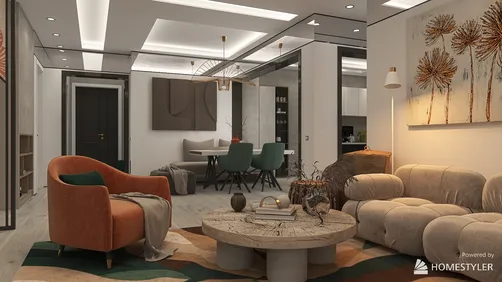
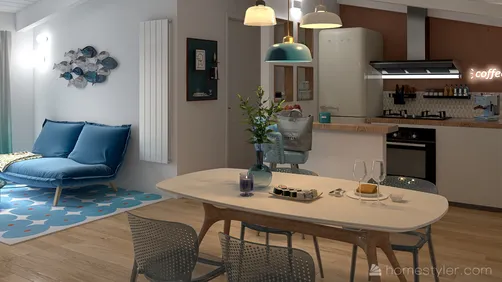
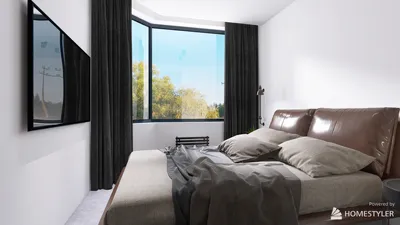
Homestyler’s ‘Keith Haring Style’ offers a comprehensive set of ready-to-use 3D models specifically curated to embody this aesthetic, allowing designers to achieve authentic results with professional-grade textures and forms. These models provide a robust foundation for composing interiors that channel the vibrancy and playfulness emblematic of Haring’s work. Whether crafting gallery-like living rooms or expressive commercial spaces, this collection equips designers to integrate essential color dynamics, material finishes, and fluid shapes seamlessly. Leveraging this model package allows for efficient experimentation with bold palettes and complex layouts, reducing guesswork while preserving creative freedom. The precision of the textures enhances the visual impact expected from Haring-inspired environments — from the crispness of black-line graphics to the energetic silhouettes of mural motifs. Through this resource, architects and decorators can immerse occupants in spaces that pulsate with cultural resonance and art-driven narratives. Additionally, the availability of detailed models enables fine-tuned compositions aligning with client briefings that demand statement-making interiors without sacrificing usability. By connecting vivid artistic expression to architectural frameworks, the Keith Haring style models foster dialogs spanning cultural history, urban vitality, and contemporary lifestyle aspirations.

rug-Autumn Home Decor

cabinet

staircase-Selected StairsⅡ

Scandinavian Wall Art

pendant light-Autumn Home Decor

floral arrangement-Autumn Home Decor
FAQ
Q: What interior spaces best suit the Keith Haring style?
The Keith Haring style thrives in spaces aiming to inject energy and cultural expression, such as creative offices, art galleries, and vibrant living areas. Its bold colors and graphic elements require open layouts or feature walls to maximize visual impact.
Q: How can this style be balanced to avoid overwhelming a room?
Balance is achieved through strategic use of color contrast and surface finish. Limiting the palette to key primary colors with black accents, combined with neutral flooring or minimalist furniture, provides breathing room while maintaining the style’s energetic essence.
Q: Are Keith Haring style interiors suitable for commercial environments?
Absolutely; this style lends itself well to commercial locations like boutiques, cafés, and entertainment venues seeking strong branding through artful and playful interior statements. Its visual language fosters engagement and memorable experiences.
Homestyler's roots trace back to Autodesk, the global leader in design and engineering software. That heritage lives on in every feature we build. Today, with a community of more than 20+ million registered users (platform data, 2026) worldwide, Homestyler continues to make professional-quality interior design accessible to everyone — from first-time decorators to seasoned architects.
Homestyler has millions of users worldwide, making it one of the most popular online home design platforms.
Zaprojektuj teraz za darmo






![[14]](https://hs-designs.homestyler.com/production/design/images/2026-09-12/aa817543-bb43-4f3a-9583-2b2473af620f/1789226165872/10757139.jpg?x-oss-process=image/resize,w_502,m_mfit/format,webp)