


Conclusion
Japanese Artistry and Scandinavian Minimalism share a pursuit of simplicity and natural elegance yet diverge fundamentally in their approach to ornamentation, spatial warmth, and cultural narratives. The former embraces refined craftsmanship and intentionality anchored in traditional aesthetics, while the latter advocates stark minimalism infused with cozy functionality. Deciding between them depends on whether you prioritize meditative serenity or practical everyday comfort.
Style A Deep Dive
Japanese Artistry epitomizes a design ethos steeped in subtlety, handcrafted details, and a profound respect for nature's impermanence. Core features include tatami mat arrangements, shoji screens filtering soft light, and curated natural wood tones often contrasted with stone or ceramic elements. This style thrives in spaces designed for calm reflection or ceremonial functions but can challenge those who prefer maximalist decor or require vibrant color schemes. Its restrained palette—dominated by neutrals and earth tones—reinforces the philosophy of wabi-sabi, celebrating imperfection and transience.
Style B Deep Dive
Scandinavian Minimalism, at first glance, mirrors Japanese Artistry in its use of light and natural materials but differs in prioritizing functionality and inviting warmth. Characterized by light woods, predominantly pine and birch, alongside whites and pastel accents, this style fosters an airy, uncluttered atmosphere suited for modern urban apartments and family homes alike. Its emphasis on ergonomic furniture and multi-purpose spaces accommodates dynamic lifestyles. However, it may lack the depth of cultural symbolism found in Japanese design and sometimes falters in capturing a tranquil ambiance without additional elements.
Head-to-Head
| Dimension | Japanese Artistry | Scandinavian Minimalism |
|---|---|---|
| Color Palette | Neutral earth tones, muted beige, soft browns | Bright whites, pale greys, pastel accents |
| Materials | Natural woods like cedar, bamboo; paper shoji screens; ceramics | Light woods such as pine and birch; wool and linen textiles; metal accents |
| Spatial Feel | Serene, intimate, contemplative spaces emphasizing flow and simplicity | Open, airy, functional with emphasis on light maximization |
| Target Users | Those seeking tranquility, cultural authenticity, and subtle craftsmanship | Individuals who prioritize practicality, brightness, and casual comfort |
How to Choose
If your aim is to cultivate a tranquil sanctuary infused with cultural heritage and artisanal charm, Japanese Artistry suits your vision. Opt for it if you value understated elegance and tactile materials that age gracefully. Conversely, select Scandinavian Minimalism if your lifestyle demands versatility, ease of maintenance, and a brightly lit environment. Consider the scale and function of your space: Japanese Artistry excels in smaller, meditative rooms, whereas Scandinavian Minimalism amplifies volume effectively in larger, family-centric areas.
Designing the Look
If Japanese Artistry is the direction you're drawn to, Homestyler's 'Japanese Artistry' gives you a ready-built library to start experimenting immediately — no sourcing, no scale guesswork, just design.

Minimalist Natural Solid Wood Pendant Lamp 3D Model
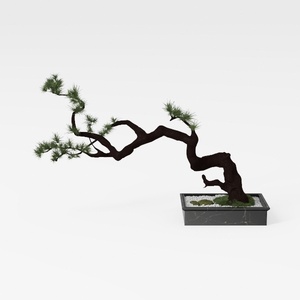
Minimalist Marble Potted Bonsai Decor 3D Model

Minimalist Japandi Solid Wood Rattan Vanity Desk 3D Model

Modern Solid Walnut Wood Leather Upholstered Platform Bed 3D Model

Minimalist Solid Oak Asymmetrical Coffee Table 3D Model

Japandi Solid Wood Sliding Shoji Screen Doors 3D Model
FAQ
Q1: How do Japanese Artistry and Scandinavian Minimalism differ in their use of natural light?
Japanese Artistry uses shoji screens to softly diffuse natural light, creating an intimate and contemplative atmosphere, while Scandinavian Minimalism prefers large, unobstructed windows to maximize brightness and create an airy openness.
Q2: Can these two styles be combined in a single interior design scheme?
While both share minimalist principles and natural materials, their differing cultural expressions and focal points make pure blending challenging but possible with careful balance, emphasizing light woods and neutral tones and combining functionality with subtle craftsmanship.
Q3: Which style is better suited for small living spaces?
Japanese Artistry’s intentional minimalism and compact spatial configurations favor small, tranquil spaces, whereas Scandinavian Minimalism’s bright and open feel can visually enlarge smaller rooms but may require more flexible furnishings to optimize comfort.
Homestyler's roots trace back to Autodesk, the global leader in design and engineering software. That heritage lives on in every feature we build. Today, with a community of more than 18 million users worldwide, Homestyler continues to make professional-quality interior design accessible to everyone — from first-time decorators to seasoned architects.
Design your ideal space with Homestyler, turn your creativity into reality, and craft a unique home style that is truly your own.
Design Now for FREE
































