


Introduction
Japanese Artistry is a refined design philosophy rooted in centuries-old cultural traditions that emphasize simplicity, harmony, and the intimate connection between human life and nature. This aesthetic challenges expressive excess and prioritizes understated elegance through deliberate restraint and subtle nuance. Originating from Zen Buddhism and the concept of wabi-sabi—appreciation of imperfection and transience—the style conveys quiet dignity and contemplative calm in living environments. Spaces crafted in this vein rely on clean lines, sparing decoration, and thoughtfully balanced proportions. The aim is not to fill or dazzle but to offer respite, clarity, and a sense of profound order. Light plays an essential role, often filtered through shoji screens or soft textiles, creating gentle atmospheric shifts throughout the day. The philosophy embraces empty space as a powerful design element, allowing form and void to converse. This intentional sparseness fosters mindfulness, encouraging occupants to engage deeply with their surroundings rather than be distracted by clutter or ornamentation. Additionally, the indigenous reverence for natural cycles translates into an architectural language that seeks to harmonize interior and exterior environments, merging built spaces with gardens, water features, and natural materials. Japanese Artistry thus emerges as more than decorative style; it is a cultural mindset attuned to balance, subtlety, and enduring beauty.
Core Elements
Minimalist Color Palettes The color strategy within Japanese Artistry revolves around muted, nature-inspired tones that evoke serenity and subtle sophistication. Predominantly, shades such as soft beige, off-white, muted greys, and earth-browns dominate the palette, providing tranquil backdrops that complement rather than compete with architectural forms. Accents are sparingly used and typically arise naturally from elements like bamboo, rattan, or hand-dyed textiles in indigo or subdued rusty reds. These restrained color choices align with the principle of ma, or negative space, by maintaining uncluttered visual simplicity. This restraint enables the delicate craftsmanship of materials and construction details to come into prominence. The avoidance of vibrant or high-contrast hues minimizes distraction and enhances feelings of calmness and contemplation. The palette draws heavily from the immediate environment—weathered wood, rice paper, stone, and soil—to ground interiors in their geographical and cultural context. This approach shifts color from mere decoration to an atmospheric device, instrumental in crafting mood and reflecting seasonal transitions within a harmonious framework.
Natural Materials Materiality is central to Japanese Artistry and reflects a profound respect for the environment and craft traditions. The preference is for organic, tactile materials that age gracefully and harbor subtle imperfections as visual narratives. Wood, particularly cedar, cypress, and paulownia, features prominently across flooring, joinery, and furniture, celebrated for its warmth and grain detail. Paper—often in the form of shoji screens or washi wall coverings—modulates light while contributing to textural layering through translucency. Stone elements are employed both structurally and decoratively, their rough surfaces contrasting softly with polished wood. Textiles such as hemp, linen, and cotton appear in cushions, window treatments, and futons, offering natural softness and breathability. These materials create multisensory interiors that feel both grounded and elevated by sensory authenticity. The deliberate integration of nature’s imperfect textures fosters an appreciation of craftsmanship, longevity, and sustainability. This ethos counters mass-produced artificiality by celebrating the uniqueness of each grain, fiber, and fissure. The tactility encourages physical interaction with the space, inviting occupants to touch, discover, and connect with the environment in mindful ways.
Organic Forms The formal language of Japanese Artistry avoids ostentation through gentle geometry and flowing natural contours. Architectural elements emphasize horizontality and low profiles, evoking stability and calm. Furniture typically features simple, low-slung silhouettes with subtle ergonomic curves enhancing comfort without visual noise. Rounded edges soften spatial transitions and invite tactile engagement. The influence of natural forms is evident in design elements inspired by waves, bamboo stalks, and river stones, introducing biomorphic shapes that contrast with minimal structure. Unlike Western ornamental excess, these organic motifs are understated, integrated seamlessly into functional pieces rather than applied superficially. Such forms resonate deeply with the philosophy of living harmoniously with nature by mirroring its irregular yet balanced rhythms. This approach allows interiors to feel alive and evolving rather than static or overly rigid. Void and solid alternate with fluid grace, supporting a meditative spatial experience where form supports function simply and elegantly without excess.
Designing the Look
Creating interiors that authentically embody Japanese Artistry demands a sophisticated understanding of its subtle principles across color, materiality, and form. Homestyler’s ‘Japanese Artistry’ offers a comprehensive set of ready-to-use 3D models specifically curated to embody this aesthetic, allowing designers to achieve authentic results with professional-grade textures and forms. This collection supports seamless integration of minimalist palettes, natural surface treatments, and organic shapes into virtual layouts, effectively bridging conceptual design and tangible realization. The detailed materials capture the tactile nuances of woods, papers, and fibers critical to this style, while the furniture presets reflect restrained proportions and low-profile ergonomics. Using the model package, designers can experiment with spatial balance and ambient light control within digitally simulated environments, adjusting placement and scale with precision. This iterative process fosters holistic refinements that retain the philosophy’s gentle restraint and emphasis on whitespace. Beyond pure visual representation, the models facilitate narrative storytelling about the enduring cultural values informing Japanese Artistry. Practical deployment of this virtual toolkit enhances efficiency in design presentations, client communication, and architectural visualization, alleviating guesswork associated with sourcing and styling authentic elements. Ultimately, it empowers creatives to compose serene, mindful interiors that transcend ephemeral trends, anchoring projects in time-honored principles of harmony and naturalness.

ceiling lamp-Japanese Artistry
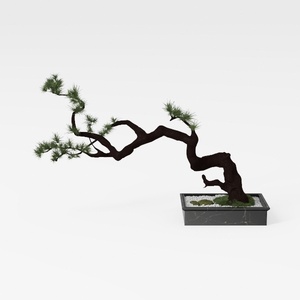
Minimalist Marble Potted Bonsai Decor 3D Model

Minimalist Japandi Solid Wood Rattan Vanity Desk 3D Model

Modern Solid Walnut Wood Leather Upholstered Platform Bed 3D Model

Minimalist Solid Oak Asymmetrical Coffee Table 3D Model

Japandi Solid Wood Sliding Shoji Screen Doors 3D Model
FAQ
Q1: What are the essential furniture pieces in Japanese Artistry interior design?
Essential furniture in the Japanese Artistry style includes low-profile items such as tatami mats, futons, platform beds, and minimalist wooden seating. These pieces emphasize comfort and practicality while maintaining low visual weight. They typically feature simple, clean lines without ornate embellishments, reflecting the philosophy of less is more. Shoji screens or sliding doors are also key functional elements, serving as room dividers that diffuse natural light softly.
Q2: How does natural light influence Japanese Artistry interiors?
Natural light is crucial, offering a dynamic element that shifts throughout the day to enliven otherwise minimal spaces. Lighting is often softened through translucent panels like shoji screens or textured fabric drapes that create subtle gradations of brightness. This modulation enhances texture visibility and invites a meditative atmosphere. The interplay between light and shadow is leveraged to define volumes and evoke a sense of tranquility and connection with the passing of time.
Q3: Can this style be adapted for urban apartments with limited space?
Yes, Japanese Artistry is particularly well-suited for compact living environments due to its focus on minimalism, multifunctional furnishings, and efficient use of space. The emphasis on negative space and decluttered surfaces fosters open, breathable interiors even in smaller footprints. Sliding doors and modular units enable flexible configurations, accommodating different needs without visual congestion. Incorporating natural materials and light further amplifies spatial perception, making urban apartments feel more expansive and serene.
Homestyler's roots trace back to Autodesk, the global leader in design and engineering software. That heritage lives on in every feature we build. Today, with a community of more than 18 million users worldwide, Homestyler continues to make professional-quality interior design accessible to everyone — from first-time decorators to seasoned architects.
Homestyler is a professional interior design software that helps users effortlessly create their dream home.
Design jetzt kostenlos
































