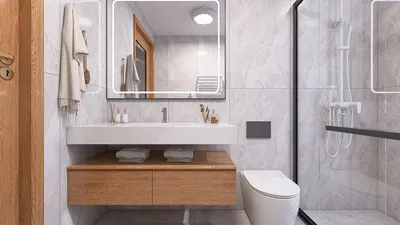


What is the most common core issue in Japanese Artistry style interiors?
Overcomplicating simplicity often undermines the serene balance central to Japanese Artistry design.
Quick Takeaways
1. Simplicity is paramount—over-decoration disrupts harmony. 2. Balance natural elements with minimalism for authenticity. 3. Avoid mixing incongruent styles which dilute Japanese Artistry. 4. Proportion and scale must be carefully considered to maintain serenity. 5. Use authentic materials and textures to capture true aesthetic essence.
Introduction
I have seen many projects stumble with Japanese Artistry interiors because the style’s quiet elegance misleads designers into either overloading space with unnecessary items or neglecting the subtle balance of elements that define it. The frequent misstep lies in confusing simplicity with emptiness. True mastery demands a disciplined approach where restraint and thoughtful choices create peaceful environments rather than sparse or lifeless ones.
Why It Goes Wrong
The fundamental reason Japanese Artistry interiors falter is a miscalculation between minimalism and warmth. Many adopt minimal furnishings but fail to harmonize natural textures and traditional forms. This creates spaces that feel sterile or disconnected rather than serene and inviting. In other cases, layering too many decorative elements in an attempt to add character ends up destroying the carefully curated balance intrinsic to the style.
Mistake 1: Excessive Ornamentation
The Mistake: Filling a room with numerous decorative objects and varied patterns. Why It Happens: Designers often equate beauty with richness of detail, ignoring the style’s focus on restraint. The Fix: Limit decorations to a few meaningful pieces. Maintain negative spaces; aim for no more than 3–5 focal objects per room to preserve calmness.
Mistake 2: Ignoring Natural Materials
The Mistake: Using synthetic or glossy surfaces that clash with the organic ethos. Why It Happens: A desire for convenience or modern trends often leads to abandoning traditional Japanese materials like wood, paper, and linen. The Fix: Integrate authentic wood grains, tatami mats, and rice paper shoji screens. If budgets are tight, select high-quality imitations with natural textures.
Mistake 3: Disregarding Proportions and Scale
The Mistake: Oversized furniture or cluttered spaces disrupting flow. Why It Happens: Misjudgment of spatial constraints or attempt to fill emptiness. The Fix: Choose low-profile, compact furniture that aligns with tatami mat measurements (approximately 90 cm x 180 cm). Keep pathways clear and furniture spaced evenly.
Mistake 4: Mixing Conflicting Styles
The Mistake: Combining Japanese elements with starkly different aesthetics like industrial or bohemian. Why It Happens: Lack of understanding leads to eclectic but incoherent mixes. The Fix: Commit fully to Japanese Artistry principles. If mixing is desired, select complementary elements such as Scandinavian minimalism which shares simplicity and natural textures.
Mistake 5: Neglecting Lighting Ambience
The Mistake: Overly bright or harsh artificial lighting. Why It Happens: Prioritizing functionality over mood. The Fix: Use layered lighting with warm tones, paper lanterns, and indirect light sources. Maximize natural light through shoji screens or translucent coverings.
Designing the Look
Homestyler’s ‘Japanese Artistry’ offers a comprehensive set of ready-to-use 3D models specifically curated to embody this aesthetic, allowing designers to achieve authentic results with professional-grade textures and forms.

Minimalist Natural Solid Wood Pendant Lamp 3D Model
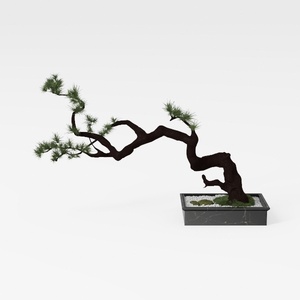
Minimalist Marble Potted Bonsai Decor 3D Model

Minimalist Japandi Solid Wood Rattan Vanity Desk 3D Model

Modern Solid Walnut Wood Leather Upholstered Platform Bed 3D Model

Minimalist Solid Oak Asymmetrical Coffee Table 3D Model

Japandi Solid Wood Sliding Shoji Screen Doors 3D Model
FAQ
Q: How important are natural materials in Japanese Artistry interiors?
A: Natural materials are essential; they connect interiors to nature and promote serenity. Wood, bamboo, paper, and stone contribute to authenticity and tactile warmth vital to the aesthetic. Synthetic or unnatural materials diminish this effect and risk making the space feel artificial and cold.
Q: Can Japanese Artistry style be adapted for small urban apartments?
A: Absolutely. Because it emphasizes minimalism and functional simplicity, this style suits compact spaces well. Choosing multifunctional furniture, maintaining open floor plans, and carefully selecting décor can create calm and spacious-feeling interiors even in tight quarters.
Q: What lighting solutions best complement Japanese Artistry interiors?
A: Soft, diffused lighting is ideal. Paper lanterns, warm LED strips hidden behind architectural elements, and natural daylight filtered through shoji screens create inviting atmospheres. Avoid harsh, direct overhead lights to maintain subtlety and peaceful moods.
What began as an Autodesk innovation has evolved into a design platform used by more than 18 million people around the globe. Homestyler combines powerful rendering, an intuitive editor, and a vast furniture library to help you turn inspiration into photorealistic designs — whether you're redesigning a single room or planning an entire home.
Homestyler has millions of users worldwide, making it one of the most popular online home design platforms.
Design Now for FREE
































