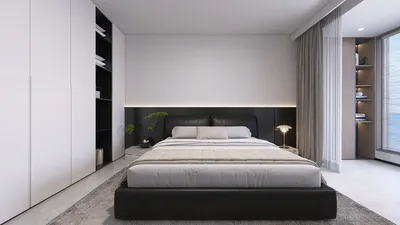


Japanese Artistry interior design challenges the harmony between minimalism and warmth without sacrificing function or character. This style requires a deep understanding of spatial discipline to avoid sterility while maintaining its hallmark simplicity. A core design challenge lies in orchestrating natural materials and muted color palettes so they feel intentional rather than sparse. Balancing textures—such as wood grain with tatami mats or paper screens—presents an opportunity to craft a peaceful yet tactile environment. Unlike stark minimalism, Japanese Artistry demands subtle layering of elements that invite calm and presence. Achieving this necessitates deliberate choice of furnishings and layout that honor proportion and flow, preventing over-cluttering yet avoiding cold emptiness. Among the hurdles is integrating traditional motifs with modern living requirements, ensuring each detail from joinery to light fixture contributes to a cohesive story. The style champions craftsmanship and the uniqueness of handmade elements, distinguishing it from mass-produced décor. This elevates the design process to one of selective curation and sensitive placement rather than accumulation. Furthermore, Japanese spaces often emphasize an indoor-outdoor dialogue, challenging designers to frame garden views or natural light within the interior narrative. The difficulty emerges in preserving the delicate equilibrium where every item has a role but no element competes. Designers must also negotiate practical aspects such as storage and seating without disrupting the serene aesthetic. Additionally, working within restrained palettes pushes creativity in materiality and finishing techniques. The overall objective remains to evoke tranquility and timelessness, which requires meticulous attention to balance between emptiness and presence. These complexities underline why implementing Japanese Artistry authentically is both demanding and rewarding.
Step 1: Layout Logic — Spatial Proportion and Furniture Arrangement
Central to Japanese Artistry is mastering the spatial proportions and thoughtful furniture placement that reflects the style's disciplined simplicity. Begin by defining an uncluttered floor plan that prioritizes negative space as a design element itself. Limit large bulky furniture, favoring low-profile pieces with clean lines constructed in natural materials such as light wood. Position furniture to enhance flow and encourage tranquility, often placing seating parallel or perpendicular to walls to create balance without crowding. Negative space around tatami mats or futons should feel intentional, offering room for barefoot movement and mediation practices. Incorporate modular storage that integrates with architecture, avoiding standalone bulky cabinets that disrupt rhythm. Prioritize multipurpose pieces, such as a bench doubling as shoe storage, which keeps functions discreet yet accessible. Align furniture with architectural features like shoji screens or exposed beams to amplify structural harmony. Avoid symmetrical layouts that can feel rigid; instead, balance asymmetry is embraced to evoke naturalness. Use traditional Japanese grid proportions such as the “shaku” unit (approximately 30.3 cm) in furniture sizing and spacing to respect cultural scale. The result is a spatial choreography where each object breathes within the room without competition. Circulation paths must remain clear, inviting gentle movement and visual calm. When integrating architectural openings, allow the outdoors to visually continue the interior space, deepening the sense of expansiveness. Ultimately, the layout should support a lifestyle of minimalism yet warmth, with every piece contributing utility and serenity.
Step 2: Light and Color — Tone Selection and Source Pairing
Lighting and color are instrumental in sculpting the serene ambiance characteristic of Japanese Artistry interiors. Embrace a palette built on natural hues: soft beiges, warm taupes, muted greys, and subtle greens that echo natural fibers and landscapes. Use color sparingly and deliberately on walls or textiles; the goal is to evoke quietness rather than vibrancy. White or off-white shoji screens diffuse daylight softly and create an ambient glow that reduces harsh shadows, making natural light a key design element. Complement daylight with layered artificial lighting—include warm-toned paper lanterns or minimalist pendant lights crafted from bamboo or rice paper to bolster intimacy. Avoid glare by placing light sources indirectly or behind translucent panels. For evening, floor lamps or recessed fixtures with adjustable brightness maintain serene atmospheres without overpowering. Consider the quality and warmth of bulbs, opting for those that mimic natural sunlight with a color temperature around 2700K to 3000K. Reflective surfaces should be minimal, favoring matte or natural textures which absorb and soften light instead of bouncing it starkly. Incorporate seasonal adaptability by adjusting window coverings like noren or shoji to control light intensity as needed. A noteworthy technique is layering multiple low-intensity light sources to create dynamic yet soothing illumination. The restrained color choices combined with intentional lighting naturally support a meditative and restorative spatial experience that is the hallmark of Japanese Artistry.
Step 3: Finishing Touches — Small-Scale Models Raising Overall Texture Quality
Fine decorative details play an outsized role in Japanese Artistry, where small models and hand-crafted objects inject tactile warmth and character into interiors. Carefully curated artisan pieces—like ceramic tea sets, elegant ikebana flower arrangements, or handwoven cushions—should be displayed thoughtfully rather than scattered aimlessly. Select objects that embody traditional craftsmanship and natural imperfections, reflecting the Japanese concept of wabi-sabi which honors transience and imperfection. Position these elements as focal points on low shelves, alcoves (tokonoma), or table surfaces where their textures invite close appreciation. Incorporate natural materials such as bamboo baskets, lacquer trays, or washi paper scrolls which provide subtle contrasts with smooth wood or stone. Renovate blank wall areas with simple calligraphy prints or sumi-e ink paintings framed in minimal wooden frames to add contemplative artistry. Use simplicity in form and restraint in quantity: one or two well-placed items deliver more impact than cluttered collections. Integration of indoor plants, particularly bonsai or ferns, further animates the scene with life and organic texture. These finishing touches function as sensory punctuation marks enhancing the overall narrative of serene living. Balance is essential; every object must resonate with the space’s natural rhythm, elevating the tactile quality without distracting from the minimalist foundation. By investing attention in these fine details, the space attains the soulful, refined layered warmth emblematic of Japanese Artistry interiors.
Designing the Look
For designers working in Homestyler, the Japanese Artistry is a practical shortcut to authenticity. It removes the guesswork from sourcing — every piece is pre-matched in scale, material, and proportion to deliver a coherent Japanese minimalism result.

ceiling lamp-Japanese Artistry
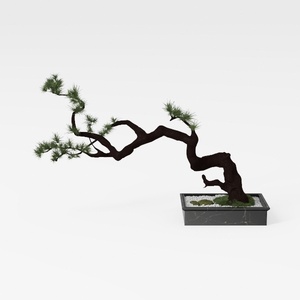
Minimalist Marble Potted Bonsai Decor 3D Model

Minimalist Japandi Solid Wood Rattan Vanity Desk 3D Model

Modern Solid Walnut Wood Leather Upholstered Platform Bed 3D Model

Minimalist Solid Oak Asymmetrical Coffee Table 3D Model

Japandi Solid Wood Sliding Shoji Screen Doors 3D Model
FAQ
Q1: How can I maintain the minimalist aesthetic while adding enough storage in a Japanese Artistry interior?
A1: Utilize built-in or underfloor storage solutions integrated seamlessly with the architecture to avoid interrupting clean lines. Opt for sliding doors made of natural materials like cedar wood or shoji screens that shield storage discreetly. Incorporate multipurpose furniture such as benches with hidden compartments or low tables with drawers. Avoid free-standing bulky units; instead, tailor storage to the room’s scale and maintain visual openness.
Q2: What lighting choices best enhance the natural materials prominent in Japanese Artistry design?
A2: Choose lighting with warm color temperatures (2700K to 3000K) that mimic soft natural light. Paper lanterns or fixtures with diffusers soften light and reduce glare, enhancing wood grains and woven textiles. Employ layered lighting to create an ambient glow without harsh contrasts. Position lights to highlight textures and architectural elements subtly rather than using direct overhead illumination exclusively.
Q3: How can outdoor views be effectively incorporated to complement a Japanese Artistry interior?
A3: Establish visual connections by positioning large openings or windows aligned with interior sightlines. Use sliding doors or screens that can be opened to blend indoor and outdoor areas naturally. Frame garden elements like moss, bamboo, or stone with architectural features such as wooden lintels or window grids. Keep window treatments minimal or translucent to allow maximum daylight and garden visibility for a serene flow between spaces.
Originally incubated at Autodesk, Homestyler has grown into one of the most widely adopted home design platforms in the world, now trusted by over 18 million users. Whether you're a homeowner exploring ideas or a professional designer delivering client-ready renders, Homestyler brings industry-leading 3D technology to your fingertips — no experience required.
Leverage Homestyler's AI-powered features to quickly generate professional interior design schemes.
立即免费设计
































