


Core Differences and Selection Dilemma
Japandi and Scandinavian aesthetics both revolve around minimalism and natural elements, but their philosophical foundations and execution create distinct atmospheres. Japandi combines the rustic simplicity and functionalism of Scandinavian design with the refined elegance and wabi-sabi imperfection of Japanese interiors, resulting in spaces that emphasize warmth, texture, and an intimate connection to nature. Scandinavian style prioritizes light, airy spaces, simplicity, and functionality with a cooler, sometimes more playful color range. The choice between these two hinges on your preference for either a serene, cozy refuge that balances tradition with modernity or a bright, uncluttered environment designed for everyday functionality and social connection. Neither style is inherently better; instead, the challenge lies in aligning the design with your lifestyle and emotional comfort zone.
Japandi Deep Dive
At its core, Japandi marries Japanese minimalism with Scandinavian practicality. The style adopts clean lines, muted earth tones with occasional deep indigos or olive greens, and natural materials such as light woods, matte ceramics, linen, and stone. Functional furniture with low profiles often incorporates handcrafted elements that celebrate imperfection and texture. Suitable for intimate urban apartments or homes craving a sense of calm and balance, Japandi excels in fostering mindfulness through its deliberate space planning and restrained décor. However, the style’s subtle and understated palette can challenge those who prefer vibrant environments or maximalist expressions. Additionally, sourcing authentic Japanese-inspired artisanal pieces may require thoughtful curation to avoid superficial interpretations.
Scandinavian Deep Dive
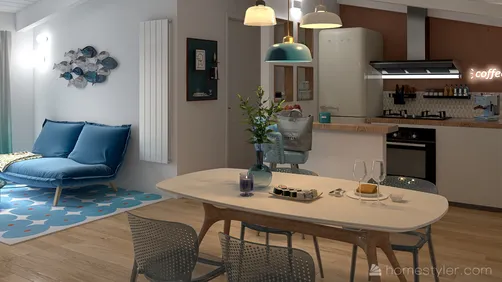
The Scandinavian style is characterized by its bright, airy aesthetic paired with functional simplicity. Whites and pale grays dominate, often complemented by pops of pastel or muted colors. Textiles such as sheepskin rugs and woven throws introduce warmth without overpowering the crisp interiors. Wood is a favored material, but it tends to be lighter and more uniform than the textured, grain-rich woods in Japandi. Scandinavian interiors prioritize natural daylight and open layouts that promote social interaction and adaptability. This approach is ideal for families and those who are fond of informal, practical living spaces. However, maintaining the pristinely minimal look may be demanding in highly active households or for those keen on sentimental memorabilia.
Head-to-Head: Analyzing Color, Material, Space, and Audience
Color palettes in Japandi lean towards warm neutrals – beige, taupe, muted browns – contrasted occasionally with darker moody blues or greens that evoke natural landscapes and Japanese ink paintings. Scandinavian color schemes are cooler, relying on clean whites, light grays, and soft blues or pastel accents that enhance brightness and spatial perception. Materials reveal the philosophies behind each style: Japandi uses a variety of textures — raw timber, unglazed ceramics, and natural fibers — celebrating imperfection and the passage of time. Scandinavian materials appear more polished and uniform, with smooth wood finishes and textiles chosen for comfort and ease. Spatially, Japandi favors deliberate arrangement with visual tranquility in mind, using lower furniture and floors that invite sitting on tatami-like surfaces or cushions. Scandinavian design optimizes openness and light flow, often using taller furniture and flexible layouts to accommodate social and family needs. Regarding users, Japandi appeals to those who appreciate cultural nuance, subtle sophistication, and a sanctuary-like ambiance. Scandinavian suits individuals or families who prioritize functionality, light-filled spaces, and informal comfort.
How to Choose
Decide first what atmosphere resonates with your daily life: Do you seek the meditative, crafted aesthetic that softens daily interactions through tactile and visual harmony? Japandi provides layered textures and earthy warmth that foster peaceful solitude. If your priority is maximizing daylight, promoting a casual lifestyle, and maintaining easy upkeep with fresh, bright interiors, Scandinavian is likely your better choice. Consider your geography as well; those in darker climates might appreciate Scandinavian’s emphasis on light, whereas Japandi’s warmth suits neutral or warmer environments. Functionally, assess your spatial needs: Japandi’s low furniture and minimalist approach fit smaller, quieter spaces, while Scandinavian’s flexible layouts are ideal for dynamic households. Finally, match your sourcing preferences and lifestyle: Japandi demands investment in quality, artisanal pieces, while Scandinavian can be more accessible with mass-produced elements yet still maintains design integrity.
Designing the Look
If Japandi is the direction you're drawn to, Homestyler's 'Complete Japandi Interior' gives you a ready-built library to start experimenting immediately — no sourcing, no scale guesswork, just design. This model pack streamlines the complex layering of Japandi elements into an accessible framework. Start by selecting low-profile, handcrafted furniture with fine joinery visible, incorporate natural fibers like woven rugs and linen cushions to add depth, and use muted wood tones paired with textured walls or soft plaster finishes. Lighting should be soft and indirect; paper lanterns or minimalist sconces work well. Balance the warm palette by introducing touches of cool charcoal or matte black in hardware or framing details. Finally, arrange objects intentionally to frame negative space, allowing your rooms to breathe, which underscores Japandi’s contemplative essence.

kitchen cabinet set-Kitchen Cabinet III

bar counter set-Bar Furniture

coffee table-Scandinavian Home Interior

kitchen cabinet set-Kitchen Cabinet III

kitchen cabinet set-Kitchen Cabinet III
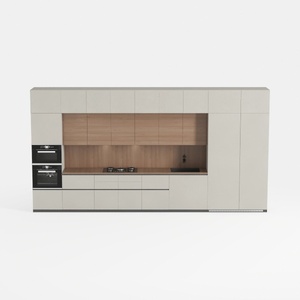
kitchen cabinet set-Kitchen Cabinet III
FAQ
Q: Can Japandi and Scandinavian styles be blended in one interior?
Yes. Both styles share a foundation in minimalism and natural materials, so blending is possible by choosing elements such as the warm tonalities and handcrafted textures of Japandi with the bright, open layouts and simple furniture forms of Scandinavian design. Careful curation ensures cohesion without diluting each style’s character.
Q: Which style is easier to maintain in a busy household?
Scandinavian design generally offers easier maintenance due to its lighter color palette and practical furniture choices geared toward flexibility and durability. Japandi’s emphasis on handcrafted, delicate items and subtle textures may require more care to preserve their refined aesthetic.
Q: How does lighting influence the mood differently in Japandi and Scandinavian interiors?
Lighting in Japandi is usually soft and subdued to foster tranquility and highlight textures, often using warm bulbs or natural light filtered through shoji screens. Scandinavian interiors maximize natural daylight with large windows and use cooler, brighter artificial lighting to maintain an airy, energetic atmosphere.
Homestyler's roots trace back to Autodesk, the global leader in design and engineering software. That heritage lives on in every feature we build. Today, with a community of more than 20+ million registered users (platform data, 2026) worldwide, Homestyler continues to make professional-quality interior design accessible to everyone — from first-time decorators to seasoned architects.
Homestyler offers a vast library of furniture and decoration materials to meet all your design needs.
Desain sekarang Gratis




















![Design [4]](https://hs-designs.homestyler.com/production/design/images/07c2de3a-88ec-4be8-8910-ff255b795bc2/1731419398293/7841697.jpg?x-oss-process=image/resize,w_502,m_mfit/format,webp)