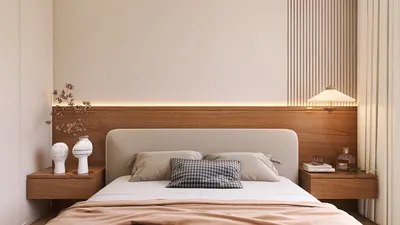


Conclusion
Japandi and Scandinavian styles both embrace minimalism and functional design but diverge in emotional warmth and material emphasis, presenting a challenge for those seeking balance between Zen-inspired serenity and cozy Northern European comfort.
Style A Deep Dive
Japandi style blends the clean simplicity of Scandinavian design with traditional Japanese aesthetics, focusing on restrained colors, natural materials, and purposeful minimalism. Its core is the balance between rustic warmth and modern calm, achieved through muted tones like soft greys, beige, and black accents paired with tactile woods such as oak and bamboo. Spaces following Japandi echo a serene, clutter-free atmosphere suitable for small city apartments or any home needing a mindful retreat. However, its emphasis on subdued palettes and strict minimalism might feel limiting for those desiring bolder expressions or more vibrant interiors.
Style B Deep Dive
Scandinavian design is synonymous with light-filled spaces, functional layout, and natural simplicity punctuated by cozy accents. Characterized by white walls, pastel hues, and blonde woods like pine or spruce, it creates airy environments that connect indoors and outdoors. This style favors open-plan living and flexible furniture to enhance communal comfort while encouraging individual expression via textiles or artwork. It fits modern family homes and those valuing practicality paired with inviting warmth. Limitations include potential over-reliance on whites that may feel cold if not carefully softened with textiles or natural elements.
Head-to-Head
| Dimension | Japandi | Scandinavian |
|---|---|---|
| Color Palette | Muted earth tones, greys, black accents | Whites, pastels, light greys, soft blues |
| Materials | Natural woods (oak, bamboo), ceramics, linen | Light woods (pine, spruce), wool, cotton |
| Spatial Feel | Calm, intimate, balanced minimalism | Bright, open, airy, functional |
| Ideal For | Mindful living spaces, minimalist retreats | Families, open-plan living, practical warmth |
How to Choose
Deciding between Japandi and Scandinavian depends largely on your lifestyle and emotional response to space. If you gravitate toward calm, balanced environments with an emphasis on craftsmanship and a cozy yet zen atmosphere, Japandi suits you best. Conversely, if you prefer bright, airy, and practical interiors with space for lively family interaction, Scandinavian resonates more deeply. Consider your geographic climate as well—colder, darker locations often benefit from Scandinavian’s lightness, whereas warmer or urban areas align well with Japandi’s earthy tranquility.
Designing the Look
If Japandi is the direction you're drawn to, Homestyler's 'Japandi Home' gives you a ready-built library to start experimenting immediately — no sourcing, no scale guesswork, just design.
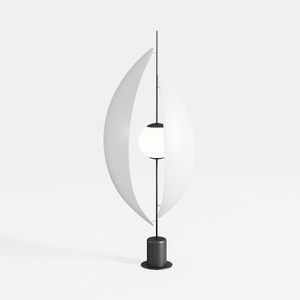
Modern Minimalist Black Metal White Fabric Artistic Floor Lamp 3D Model
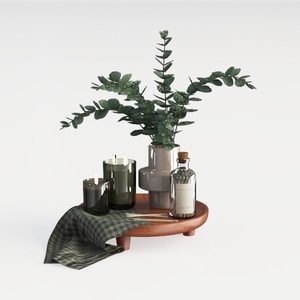
Minimalist Solid Wood Round Decorative Tray with Stylish Tabletop Accessories 3D Model
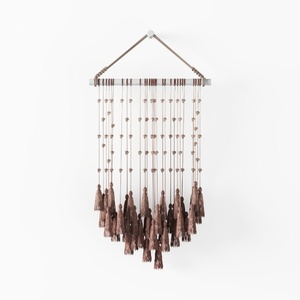
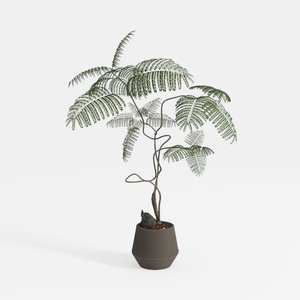
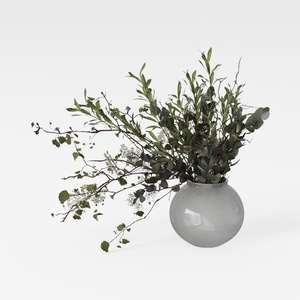
Minimalist Potted Fern Plant Decorative 3D Model
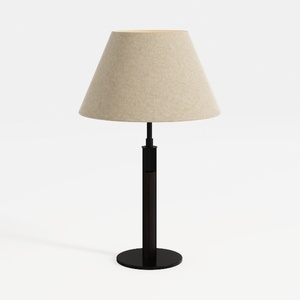
Mini Bedside Lamps for Bedrooms Set of 2
FAQ
Q: What is the main difference between Japandi and Scandinavian styles?
Japandi merges Japanese minimalism with Scandinavian warmth, focusing on natural textures and earthy tones, while Scandinavian is distinctly brighter with emphasis on light colors and open spaces.
Q: Which style works better for small urban apartments?
Japandi's restrained minimalism and use of compact furniture make it ideal for smaller, clutter-free urban living, whereas Scandinavian style can sometimes require more open space to avoid feeling cramped.
Q: Can elements of Japandi and Scandinavian be combined?
Yes, they share core values like simplicity and natural materials, so blending muted Japandi palettes with Scandinavian lightness and textiles can create a harmonious hybrid interior.
Homestyler's roots trace back to Autodesk, the global leader in design and engineering software. That heritage lives on in every feature we build. Today, with a community of more than 18 million users worldwide, Homestyler continues to make professional-quality interior design accessible to everyone — from first-time decorators to seasoned architects.
Leverage Homestyler's AI-powered features to quickly generate professional interior design schemes.
Design Now for FREE
































