

Conclusion
Japandi and Modern Scandinavian styles both champion simplicity and functionality but diverge in emotional warmth and detailing. Japandi marries Japanese minimalism with Scandinavian coziness, favoring natural and muted palettes that evoke calm through refinement. In contrast, Modern Scandinavian embraces brighter atmospheres with airy spaces and simple geometric forms. Choosing between them involves assessing whether you prefer subtle Zen-like tranquility or light, vibrant livability.
Style A Deep Dive
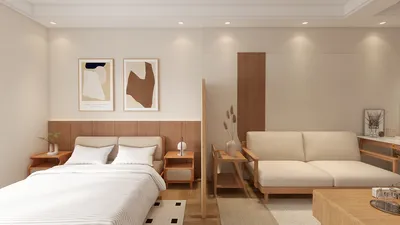
Japandi interior design epitomizes the blend of Japanese and Scandinavian aesthetics, focusing on natural materials, restrained colors, and fine craftsmanship. Characterized by low-profile furniture, muted tones like soft beiges, earthy browns, and dusky greys, and an emphasis on texture and subtlety, this style cultivates intimate and serene living spaces. Its minimalist ethos avoids clutter but favors curated elements that tell a story. Fully suited for smaller apartments or homes where peaceful refuge is a priority, its limitation lies in its subdued color range, possibly feeling muted to those craving visual vibrancy.
Style B Deep Dive
Modern Scandinavian design foregrounds light, openness, and functionality with a cheerful touch. This style leverages light wood tones, whitewashed walls, and pops of pale blues, greens, or yellows to brighten interiors. Clean-lined, versatile furniture and uncluttered spaces support practicality without sacrificing style. Its appeal is broad, fitting urban lofts and family homes alike. Limitations can arise if spaces feel too sterile or lack the depth and texture Japandi provides, potentially coming off as cold or overly simplistic.
Head-to-Head
Color: Japandi relies on grounded, muted palettes infused with earth tones; Modern Scandinavian opts for brighter whites enhanced with light pastel accents. Material: Japandi prioritizes natural wood, bamboo, and raw fabrics with visible grain and texture; Scandinavian incorporates lighter woods like pine and beech with smooth finishes. Space: Japandi design tends toward intimate, well-curated, calming environments with close-to-floor furniture; Modern Scandinavian uses airy layouts and taller furnishings to emphasize openness. Audience: Japandi appeals to those valuing subtlety, artisanal quality, and quiet elegance; Modern Scandinavian suits individuals craving brightness, flexibility, and contemporary simplicity.
How to Choose
If your priority is a uniquely refined, tactile sanctuary emphasizing handcrafted details and tender tranquility, Japandi offers that serene retreat. Conversely, if you want a lively, breathable space with straightforward, adaptable design that invites natural light, Modern Scandinavian is preferable. Consider your climate (Japandi warms up well colder spaces; Scandinavian maximizes daylight), room size (Japandi thrives in compact yet meaningful areas; Scandinavian benefits from expansive layouts), and desired atmosphere. Both styles maintain natural aesthetics but fulfill different emotional and functional needs.
Designing the Look
If Japandi is the direction you're drawn to, Homestyler's 'Japandi Interior Furniture' gives you a ready-built library to start experimenting immediately — no sourcing, no scale guesswork, just design.
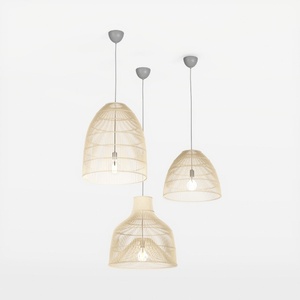
pendant light-Japandi Interior Furniture
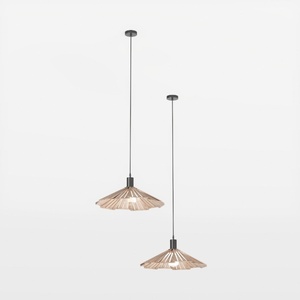
pendant light-Japandi Interior Furniture
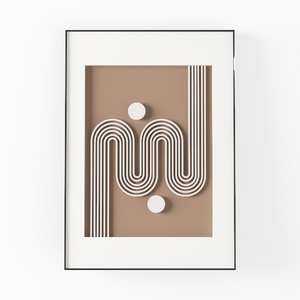
wall art-Japandi Interior Furniture

TV stand-Japandi Interior Furniture

night stand-Japandi Interior Furniture
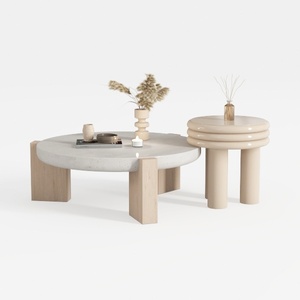
nesting coffee tables-Japandi Interior Furniture
FAQ
Q1: How does Japandi differ from Scandinavian in furniture choices?
Japandi furniture tends to be lower to the ground, handcrafted, and made from darker or natural-looking woods with an artisanal finish; Scandinavian furniture emphasizes light-colored woods, taller seating, and streamlined factory-made simplicity.
Q2: Can Japandi and Modern Scandinavian styles be mixed in one space?
While they share minimalism, their core palettes and textures differ. Mixing requires careful balance to avoid visual dissonance. Using natural materials and clean lines as common ground can allow subtle fusion.
Q3: Which style is better for small urban apartments?
Japandi’s focused, tactile minimalism suits smaller urban environments by creating calming retreats without clutter. Scandinavian’s light colors can make spaces feel larger but risk feeling sparse without texture.
Homestyler's roots trace back to Autodesk, the global leader in design and engineering software. That heritage lives on in every feature we build. Today, with a community of more than 18 million users worldwide, Homestyler continues to make professional-quality interior design accessible to everyone — from first-time decorators to seasoned architects.
Homestyler offers a vast library of furniture and decoration materials to meet all your design needs.
Design Now for FREE
































