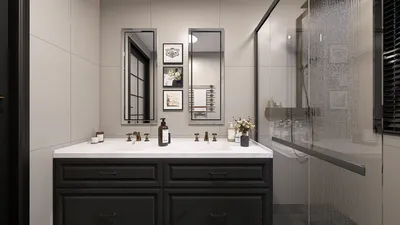


What is the most common core issue in Japandi design?
Japandi’s most frequent flaw is the imbalance between minimalism and warmth, leading to either cold sterility or cluttered spaces.
Quick Takeaways
1. Achieve harmony by blending Japanese simplicity with Scandinavian coziness. 2. Avoid overcrowding; Japandi thrives on curated minimalism. 3. Use natural textures to soften austere lines. 4. Balance light wood tones and darker accent hues carefully. 5. Functional furniture must also convey understated elegance.
Why Japandi Style Often Misses the Mark
Japandi design merges two distinct philosophies: the clean, restrained aesthetic of Japanese interiors and the warm, functional comfort expected from Scandinavian decor. This fusion demands a delicate balance. Designers frequently err by leaning too far into either obsession with minimalism—resulting in spaces that feel cold and uninviting—or by overloading with decorative elements that contradict Japandi’s core simplicity. Without a well-measured approach, the end result can appear confused or disjointed, losing the tranquil atmosphere the style intends to invoke.
Mistake 1: Over-Decorating With Accessories
The Mistake: Filling rooms with too many decorative objects, plants, or art disrupts Japandi’s clean lines. Why It Happens: The urge to personalize spaces and avoid sterility makes designers overcompensate, cluttering visual harmony. The Fix: Limit personal items to no more than three statement pieces per room. Choose simple shapes and natural materials like ceramic or wood to keep tactile warmth without chaos.
Mistake 2: Ignoring Proportions in Furniture Selection
The Mistake: Using oversized or mismatched furniture that interrupts smooth flow and balance. Why It Happens: Lack of focus on proportion leads to bulky, obtrusive pieces that clash with Japandi’s light, airy feel. The Fix: Opt for low-profile sofas and tables with slim legs to maintain openness. Verify scale by placing templates before investing. Keep furniture height roughly consistent for visual calm.
Mistake 3: Overusing Bold Colors or Patterns
The Mistake: Introducing sharp contrasts or busy patterns that overpower subtle palettes. Why It Happens: Designers sometimes insert vivid hues aiming for modernity but end up breaking Japandi’s visual serenity. The Fix: Stick mainly with muted earth tones, greys, and pastel blues or greens. Use bold colors sparingly as accent elements like cushions or pottery, never large surfaces.
Mistake 4: Neglecting Texture Variety
The Mistake: Creating flat, monotonous surfaces devoid of tactile contrasts. Why It Happens: Desire for simplicity confuses with austerity, resulting in bland, clinical spaces. The Fix: Blend natural wood, linen fabrics, rattan baskets, and matte ceramics. Layering soft throws and tactile cushions adds warmth without clutter.
Mistake 5: Ignoring Lighting Nuances
The Mistake: Using single-source harsh lighting that kills ambience. Why It Happens: Overlooking nuanced lighting planning due to budget or technical gaps. The Fix: Incorporate layered lighting—combine soft ambient lamps, directional reading lights, and natural skylight. Use dimmers to adjust mood according to time of day.
Designing the Look
Homestyler’s ‘Japandi’ offers a comprehensive set of ready-to-use 3D models specifically curated to embody this aesthetic, allowing designers to achieve authentic results with professional-grade textures and forms.

Japandi-Slate

Minimalist Black Solid Wood Round Side Table 3D Model

Brass Gold Wall Mounted Rain Shower Faucet Set 3D Model

Minimalist Concrete Square Round Window Wall Decor 3D Model

Minimalist Solid Natural Wood Stool Side Table 3D Model

Minimalist Solid Wood Two Piece Side Table Set 3D Model
Frequently Asked Questions
Q: How do I balance minimalism with warmth in Japandi design?
To balance minimalism and warmth effectively, prioritize simplicity in shapes and avoid clutter, while introducing natural materials like wood, bamboo, and soft textiles. Use warm neutral tones and layer textures to create inviting spaces without compromising clean lines.
Q: What color palette best reflects Japandi style?
Japandi favors muted, earthy tones such as beige, terracotta, soft grey, and dusty blue. These are balanced by natural wood finishes and occasional deeper accents like black or navy, creating subtle depth without stark contrasts.
Q: Can Japandi style work in small spaces?
Absolutely. The core of Japandi is efficiency and calm, making it ideal for smaller interiors. Use multi-functional furniture with slim profiles, avoid unnecessary ornamentation, and emphasize bright natural light and uncluttered zones to enhance spatial perception.
What began as an Autodesk innovation has evolved into a design platform used by more than 18 million people around the globe. Homestyler combines powerful rendering, an intuitive editor, and a vast furniture library to help you turn inspiration into photorealistic designs — whether you're redesigning a single room or planning an entire home.
Homestyler is a professional interior design software that helps users effortlessly create their dream home.
Desain sekarang Gratis
































