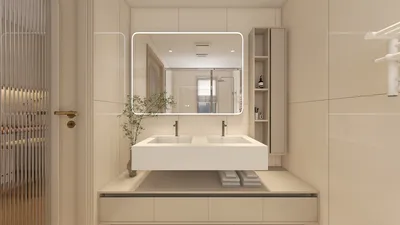


What is the most common core issue in Japandi style interiors?
Japandi style often fails due to an imbalance between minimalism and warmth, leading to either sterility or clutter.
Quick Takeaways
1. Overdecorating ruins Japandi's minimalist appeal. 2. Ignoring natural materials disrupts the style’s essence. 3. Mixing unrelated styles causes visual confusion. 4. Neglecting scale disrupts harmonious proportions. 5. Poor lighting diminishes the warm, inviting feel.
Introduction
I’ve seen many designers stumble with Japandi interiors because they mistake its simplicity for blandness or go overboard trying to 'decorate' with every trendy item. The style’s beauty lies in its delicate balance—a blend of Japanese minimalism and Scandinavian warmth. When this balance is off, the whole space loses its calming, functional charm. The complexity in achieving space that feels both clean and inviting is exactly why this style requires thoughtful execution to avoid common pitfalls.
Why It Goes Wrong
The fundamental error in Japandi interiors is a failure to maintain equilibrium between the competing demands of simplicity and coziness. Over-decorating clutters the space, while going too minimal can make the room feel cold. Misunderstanding the proper scale of essentials leads to either cramped or sparse compositions. Additionally, blending elements from other styles without restraint muddles Japandi’s clear aesthetics, resulting in visual dissonance rather than harmony.
Mistake 1: Overdecorating With Accessories
The Mistake: Filling surfaces and shelves with numerous decorative objects, creating a cluttered environment. Why It Happens: Designers new to Japandi often equate minimalism with emptiness and attempt to compensate by adding many accessories. The Fix: Limit decorative items to a few carefully chosen pieces. Adopt the rule of three for object groupings and prioritize meaningful, natural materials like ceramics or wood to keep the space calm and cohesive.
Mistake 2: Using Synthetic Materials Instead of Natural Ones
The Mistake: Relying on plastics, glossy laminates, or faux finishes that clash with Japandi’s natural ethos. Why It Happens: Budget constraints or lack of material knowledge lead to choosing synthetic options that mimic the appearance of natural elements. The Fix: Invest in authentic woods, linens, cotton, and stone whenever possible. If budget limits apply, opt for high-quality, matte finishes that evoke natural textures instead of shiny or artificial ones.
Mistake 3: Mixing Incompatible Design Styles
The Mistake: Integrating bold contemporary or traditional elements that disrupt Japandi’s serene simplicity. Why It Happens: Desire for personal expression or lack of cohesive vision causes inappropriate stylistic clashes. The Fix: Stick to clean lines, muted colors, and functional forms that complement Japandi’s core. If introducing other styles, do so sparingly and ensure each element works within the established visual language.
Mistake 4: Ignoring Proper Scale and Proportion
The Mistake: Choosing furniture or decor items that overwhelm or underwhelm the intended spatial harmony. Why It Happens: Misjudging room dimensions or the relationship between objects leads to imbalance. The Fix: Measure space carefully and select furniture with simple, proportional lines. For example, low-profile seating and medium-height tables typically suit Japandi's balanced aesthetic, promoting flow without crowding.
Mistake 5: Inadequate or Harsh Lighting
The Mistake: Using overly bright or artificial lighting that washes out natural tones and textures. Why It Happens: Over-reliance on fixtures without layering or considering natural light trajectories. The Fix: Employ soft, warm lighting with layered sources—ambient, task, and accent. Use translucent blinds or curtains to diffuse natural light gently while highlighting wood grains and fabric textures.
Designing the Look
Homestyler’s ‘Japandi Home’ offers a comprehensive set of ready-to-use 3D models specifically curated to embody this aesthetic, allowing designers to achieve authentic results with professional-grade textures and forms.
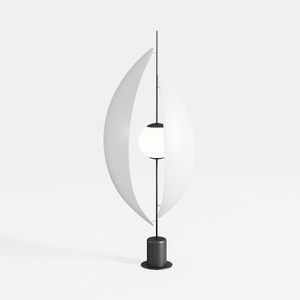
Modern Minimalist Black Metal White Fabric Artistic Floor Lamp 3D Model
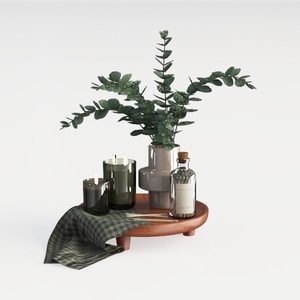
Minimalist Solid Wood Round Decorative Tray with Stylish Tabletop Accessories 3D Model
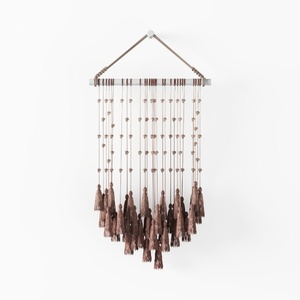
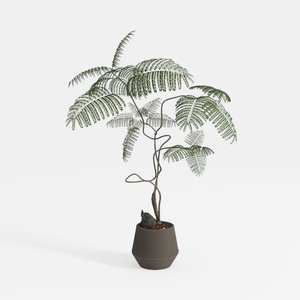
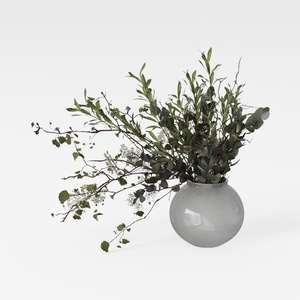
Minimalist Potted Fern Plant Decorative 3D Model
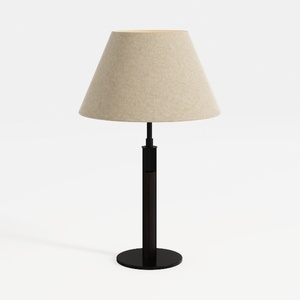
Mini Bedside Lamps for Bedrooms Set of 2
FAQ
Q: How can I balance minimalism and warmth in Japandi interiors without overdoing either?
Focus on using natural materials and soft textures to add warmth, while keeping the color palette neutral and furnishings simple. Avoid clutter by selecting only essential decor elements that serve a purpose or carry meaning.
Q: What color schemes work best for Japandi design?
Neutral tones such as whites, creams, soft grays, and earthy browns form the ideal palette. Accent colors should be muted and natural, inspired by nature to maintain tranquility and cohesion.
Q: Can Japandi work in small apartments, and how do I maximize space?
Yes, Japandi is well suited for small spaces. Opt for multifunctional furniture with clean, simple designs that do not overpower the room. Maintain open pathways and carefully curate items to avoid overcrowding, enhancing spatial flow and openness.
Homestyler's roots trace back to Autodesk, the global leader in design and engineering software. That heritage lives on in every feature we build. Today, with a community of more than 18 million users worldwide, Homestyler continues to make professional-quality interior design accessible to everyone — from first-time decorators to seasoned architects.
Design your ideal space with Homestyler, turn your creativity into reality, and craft a unique home style that is truly your own.
Design Now for FREE
































