

Introduction
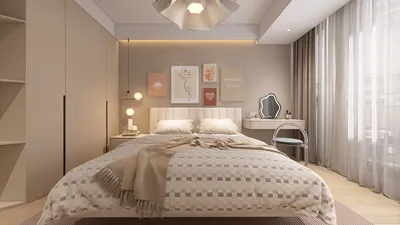
Japandi style reflects a thoughtful marriage between Japanese wabi-sabi philosophy and Scandinavian minimalism. Rooted in the appreciation of imperfection, natural beauty, and functional design, this aesthetic promotes harmony between form and function. The style emerges from an appreciation of craftsmanship and a desire to create serene spaces with uncluttered simplicity. Japandi embodies the idea that less is more but enriches this principle with warmth and tactility, balancing austerity with comfort. It challenges the notion of opulence by celebrating modesty, natural materials, and muted color palettes that soothe the senses. The core philosophy revolves around intentional living—spaces designed not only to be visually tranquil but to foster mindfulness and well-being. This subtle blend invites a poetic calm, where every object carries both utility and aesthetic grace. Japandi’s origins trace back to the intersection of Eastern and Northern European design, marrying the Japanese respect for nature and impermanence with Scandinavian functionality and coziness, creating interiors that feel both grounded and elegant.
Core Elements
Neutral and Warm Color Palette The color scheme of Japandi is distinctly muted yet warm, drawing from both Japanese traditional tones and Scandinavian earthy shades. Expect plenty of soft neutrals such as sandy beiges, muted greys, crisp whites, and gentle browns. These hues form a quiet backdrop that enhances a room’s natural light and texture without overwhelming it. Contrasting colors are subtle, often in the form of deep indigos or forest greens to provide depth while remaining understated. Rather than bold statements, the palette cultivates a feeling of calm and balance, echoing natural landscapes and aged materials. This careful calibration of warmth and neutrality ensures the space feels inviting and restorative.
Natural and Textured Materials Materiality is at the heart of Japandi style, emphasizing authenticity and tactility. Wood predominates, typically light Nordic species like pine and ash, sometimes combined with darker charred finishes inspired by Japanese yakisugi technique. Bamboo, linen, rattan, and stone are common companions that introduce organic textures and a rich sensory experience. These materials are often left in their natural or minimally treated state, highlighting grain, knots, and imperfections to celebrate wabi-sabi traditions. The use of clay pottery, stoneware, and simple ceramics further enhances the artisanal quality. Fabrics tend to be natural, soft, and breathable, reinforcing comfort through understated elegance. This deliberate selection of honest materials bridges the gap between nature and living space while inviting tactile interactions.
Sleek and Functional Forms Japandi furniture and decor prioritize simplicity and purpose over ornamentation. Forms are clean, with linear silhouettes softened by rounded edges or gentle curves that reflect both Japanese craftsmanship and Scandinavian design ethos. The aesthetic favors low-profile pieces such as platform beds, minimal cabinetry, and slender-legged tables that promote openness and flow. Every object serves a defined use, avoiding excess clutter without sacrificing character or comfort. Storage solutions hide away belongings to maintain visual calm, and multifunctional items are embraced. Ornament is largely absent except where it exemplifies skill or adds subtle texture. The balance between refined geometry and natural irregularity creates spaces that feel orderly yet inviting, mindful but practical.
Designing the Look
Homestyler’s ‘Japandi’ offers a comprehensive set of ready-to-use 3D models specifically curated to embody this aesthetic, allowing designers to achieve authentic results with professional-grade textures and forms. This model library includes an array of furniture pieces, lighting solutions, and decor elements that adhere strictly to Japandi’s core principles of neutral palettes, natural materials, and minimalist design. Utilizing these models facilitates a realistic visualization of spaces where restraint meets warmth. Interior designers can experiment with spatial layouts and material pairings to perfectly capture that effortless blend of Scandinavian coziness with Japanese simplicity. The detailed craftsmanship in the textures—whether wood grain, woven fabrics, or ceramic finishes—ensures that virtual presentations uphold the tactile integrity so vital to Japandi. In practical terms, this means projects can move from concept to presentation with a higher degree of confidence and clarity. For clients, it translates to an immersive preview that reflects the true spirit of the style, ultimately enhancing decision-making and communication throughout the design process.

Japandi-Slate

Minimalist Black Solid Wood Round Side Table 3D Model

Brass Gold Wall Mounted Rain Shower Faucet Set 3D Model

Minimalist Concrete Square Round Window Wall Decor 3D Model

Minimalist Solid Natural Wood Stool Side Table 3D Model

Minimalist Solid Wood Two Piece Side Table Set 3D Model
FAQ
Q1: What distinguishes Japandi style from pure Scandinavian or Japanese design?
Japandi uniquely merges Japanese aesthetics focused on natural imperfection and mindfulness with Scandinavian minimalism that champions functionality and simplicity. While Scandinavian design may emphasize lightness and efficiency, Japanese style often infuses more organic, textured elements and subtle asymmetry. Japandi harmonizes these differences to create a warm, minimal yet inviting space that leverages the strengths of both, rather than favoring one approach exclusively.
Q2: How can I incorporate Japandi style in a small living area?
To apply Japandi in a compact space, prioritize multifunctional furniture with clean lines to avoid visual clutter. Use a soft neutral color palette to expand perceived space and introduce natural materials like light wood and linen to add warmth. Keep decorations minimal and focus on quality over quantity, allowing negative space to breathe. Incorporate low-profile furnishings to maintain openness while enhancing calmness and flow.
Q3: Are synthetic materials compatible with Japandi aesthetics?
Japandi style strongly favors natural, authentic materials to uphold its philosophy of earthy simplicity and imperfection. While high-quality synthetic materials can sometimes emulate wood or stone textures, they generally lack the tactility and natural variation crucial to this aesthetic. If sustainability or budget constraints require alternatives, opt for eco-conscious synthetic options that prioritize texture and subdued finishes, maintaining alignment with Japandi’s core visual principles.
Homestyler's roots trace back to Autodesk, the global leader in design and engineering software. That heritage lives on in every feature we build. Today, with a community of more than 18 million users worldwide, Homestyler continues to make professional-quality interior design accessible to everyone — from first-time decorators to seasoned architects.
With Homestyler, you can design and visualize your living spaces online with stunning, realistic results.
تصميم الآن مجانا
































