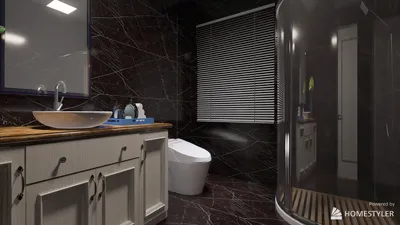


Japandi style confronts the unique challenge of harmonizing two distinct design philosophies: the minimalist, functional Scandinavian aesthetic and the serene, nature-inspired Japanese ethos. The core design difficulty lies in achieving a seamless blend that honors the simplicity and warmth of both traditions without overloading the space. The aesthetic conflict involves balancing the Japanese love for natural materials, subtle textures, and calmness with the Scandinavian preference for bright, airy rooms and clean lines. Where Scandinavian design often favors light wood tones and white expanses, Japanese interiors lean into darker woods, tatami mats, and restrained visual elements. The key to Japandi's success is not merely combining these traits but synthesizing them into a coherent whole that feels both warm and minimalist. This style demands a disciplined approach to furniture selection—favoring pieces that are functional yet embody a handcrafted, artisanal quality—and a thoughtful color palette that melds matte earth tones with soft pastels. It also requires punctilious attention to spatial flow and restraint in decorative elements to avoid clutter, reflecting wabi-sabi philosophy’s embrace of imperfection and natural beauty. Japandi spaces evoke calmness and grounded simplicity, but delivering this effect is complex: it involves curating every element from layout to texture, color to light, to resonate quietly together. Interiors must feel lived-in yet orderly, restrained yet inviting, and modern yet timeless. Ultimately, Japandi calls for conscious choices that translate cross-cultural influences into a peaceful retreat from visual noise and excess. This aesthetic tension, poised between two rich traditions, challenges designers to build interiors that are both soothing and dynamic, functional and poetic.
Layout Logic – Spatial Proportion and Furniture Placement
Successful Japandi interiors depend heavily on spatial simplicity where proportion and furniture arrangement promote balance and flow. Start by evaluating the room's dimensions to designate zones without overcrowding. Use low-profile furniture grounded in natural materials like bamboo or oak to keep sightlines open and support calm breathing room. Prioritize essential pieces—such as a streamlined sofa and a simple wooden coffee table—to maintain an uncluttered sense. When placing furniture, ensure the focal point supports both function and harmony; for example, seating should invite conversation and relaxation without imposing. Arrange items with deliberate asymmetry to capture Japanese asymmetrical rhythms but keep the overall geometry orderly and balanced as in Scandinavian design. Avoid too many items vying for attention; Japandi favors intentional sparsity over overload. Incorporate multifunctional pieces, like modular shelves or minimalist benches, to extend usability without sacrificing elegance. Rugs or tatami mats help define areas but should maintain subtle, understated aesthetics. Leave open corridors for fluid movement; cramped layouts contradict Japandi’s spacious calm. Establishing these clear spatial proportions and choosing furniture that coheres in scale and style anchors the room’s tranquil atmosphere.
Light and Color – Tone Choices and Light Source Pairing
The interplay of light and color is fundamental to Japandi’s calming aura. Begin by selecting a muted color palette drawn from natural elements—soft beige, warm taupe, muted greens, and gentle grays—serving as a serene backdrop. These hues channel Scandinavian brightness tempered by Japanese earthiness. Introduce tactile contrasts with a few darker accents like charcoal or deep navy to ground the space subtly without dominating. For lighting, layer natural light with warm, diffuse artificial sources. Use floor lamps or pendant lights crafted from wood, paper, or fabric that give off a gentle glow reminiscent of shoji lanterns. Avoid overly bright or clinical white bulbs; instead, choose bulbs with a warm temperature (2700–3000K) to replicate cozy daylight. In window treatments, sheer curtains maintain privacy while capturing soft sunlight. Consider how shadows fall on textured walls or wooden surfaces, enriching depth and warmth. Use indirect lighting under shelving or along corners to add dimension. The goal is to create an enveloping atmosphere of natural calm that shifts gently with time of day.
Accent Decor – Small-Scale Models Elevating Overall Texture
In Japandi interiors, subtle details act as quiet sophistication markers. For accent decor, choose a curated set of small objects made of ceramics, hand-woven textiles, or natural stones. These pieces should appear deliberately placed but effortlessly integrated. Use narrow wooden vases with fresh or dried greenery like bamboo or eucalyptus to introduce organic shapes in a refined way. Complement with handcrafted bowls and trays that showcase artisanal imperfections aligning with wabi-sabi values. Textured cushions or throws in linen or cotton add layered tactile interest without crowding the simplicity. Incorporate small-scale furniture models or sculptures that follow the Japandi ethos to reinforce scale and style harmony. Keep colors within the established palette to avoid visual disruption. These accents punctuate the space gently, providing depth without distraction and amplifying the sense of balance between thoughtful design and natural spontaneity.
Designing the Look
For designers working in Homestyler, the Japandi model is a practical shortcut to authenticity. It removes the guesswork from sourcing — every piece is pre-matched in scale, material, and proportion to deliver a coherent Japandi result.

Japandi-Slate

Minimalist Black Solid Wood Round Side Table 3D Model

Japandi-Shower 3

Minimalist Concrete Square Round Window Wall Decor 3D Model

Minimalist Solid Natural Wood Stool Side Table 3D Model

FAQ
Q1: How can I integrate Japandi style in a small urban apartment without feeling cramped?
Japandi’s minimal furniture and open layouts are especially suitable for small spaces. Prioritize multi-functional, low-profile furniture to maximize floor area. Use light, neutral colors on walls and floors to visually expand the space. Avoid heavy patterns and excessive decoration. Incorporate natural light wherever possible and select slim window treatments like linen sheers. Use vertical storage solutions such as wall shelves to keep surfaces clear. Each item added should serve a purpose to maintain uncluttered calm.
Q2: What are the essential materials to use for authentic Japandi interiors?
Wood is central—lighter Scandinavian woods like ash or pine combine well with Japanese walnut or bamboo in Japandi design. Complement wood with natural textiles such as linen, cotton, and wool. Ceramic and stoneware objects introduce artisanal texture typical of Japanese aesthetics. Paper elements including shoji screens or pendant lamps can enhance ambiance. Avoid synthetic materials that disrupt the natural focus. These authentic textures underscore Japandi’s warmth and tactile harmony.
Q3: How do I maintain balance between Japanese simplicity and Scandinavian coziness in furniture choice?
Balance is achieved by selecting minimalist furniture with clean lines that still feel inviting. Opt for pieces with subtle curves or soft upholstery fabrics rather than stark modernism. Mix Scandinavian ergonomics with Japanese refinement—think a simple wooden frame sofa with linen cushions, or a low Japanese-style wooden bench paired with a plush throw. Furniture must be functional and comfortable while paying homage to natural materials and craftsmanship intrinsic to both styles.
Built on technology originally developed at Autodesk, Homestyler empowers anyone to design beautiful, realistic spaces in minutes. Join over 18 million users who have already discovered a smarter way to plan, visualize, and bring their dream homes to life — all from the comfort of a browser.
Homestyler is a professional interior design software that helps users effortlessly create their dream home.
Design Now for FREE
































