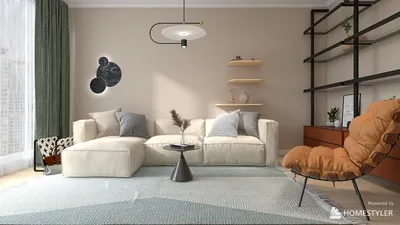


Japandi design embodies the delicate tension between Japanese minimalism and Scandinavian functionality, where simplicity meets warmth in an aesthetic balance. Its core challenge lies in merging these two distinct philosophies without leaning too heavily into either, maintaining harmony between clean, uncluttered spaces and cozy, inviting atmospheres. Unlike pure minimalism that can border on coldness or Scandinavian styles that favor maximal comfort, Japandi seeks a true middle ground where every element contributes to calmness and purpose, yet feels organic and hospitable. Achieving this tension requires mastery over proportion, selected textures, and color temperature to avoid the extremes of starkness or clutter. The biggest design pitfall is the temptation to overindulge in decorative elements or under-furnish a space, both of which disrupt the seamless flow and understated luxury that defines the style. Japandi demands restraint but also warmth, precision in detailing yet softness in touch, demanding a clear vision and deliberate material choices to produce an atmosphere that is simultaneously serene and lived-in. Understanding the core spatial logic alongside light modulation and subtle ornamentation are vital steps in overcoming these challenges. Each component must be chosen and placed with intent, echoing the duality of simplicity and natural beauty intrinsic to Japandi spaces. Only then can the intimate, functional elegance that sets Japandi apart truly emerge.
Layout Logic — Spatial Proportion and Furniture Placement
Crafting Japandi interiors begins with a keen understanding of spatial balance. This style thrives on clear circulation paths and defined zones that feel open yet grounded. Start by mapping the room’s dimensions and identifying natural focal points such as windows, fireplaces, or architectural features. Furnishings should be scaled to promote flow — avoid overly bulky pieces that crowd, and instead prioritize low-profile, multi-functional furniture with gentle, organic lines. Position seating arrangements to encourage conversation but leave enough breathing room between items to maintain visual lightness. Using a single key piece, such as a simple wooden bench or minimalist lounge chair with tactile upholstery, can anchor the space without overwhelming it. Incorporate storage solutions that blend seamlessly with walls or under furniture to maintain a clutter-free environment. Avoid symmetrical layouts that feel rigid; instead, take cues from asymmetry found in nature, like offsetting a lamp and side table from a sofa. Emphasize horizontal lines with elongated rugs and streamlined shelves to enhance the room’s width and promote calmness. Layer furniture pieces subtly, pairing natural wood finishes with soft textiles to temper hard edges, maintaining a cozy yet composed feel. This approach complements Japandi’s blend of warmth and minimalism by ensuring spatial harmony and purposeful arrangement throughout.
Light and Color — Tonal Choices and Light Source Pairing
Lighting in Japandi interiors plays a pivotal role in expressing the serene aesthetic between functionality and atmosphere. Embrace soft, natural light by maximizing window exposure with sheer or no curtains. Where artificial light is necessary, layer light sources to create warmth and depth. Use warm white LED bulbs with a color temperature between 2700K-3000K to mimic natural sunlight. Incorporate a mix of ambient light, task lighting, and accent illumination to cater to varying needs throughout the day while preserving a relaxed mood. Pendant lamps with paper or fabric shades introduce texture and diffuse light delicately, recalling Japanese lanterns. To complement Scandinavian influences, add minimalist floor lamps with wooden or metal elements that provide focused light without visual clutter. Color palettes should stay within muted tones – soft beiges, warm greys, and earthy browns anchored by natural wood finishes. These hues harmonize with different lighting conditions, preventing color casts and maintaining balance. Accent walls or furniture pieces in deep indigo or matte black can introduce contrast but should be used sparingly to avoid disrupting harmony. Consider reflecting light via strategically placed mirrors or glossy ceramic objects to enhance spatial perception. Ultimately, layering both natural and artificial lighting while choosing a nuanced, earthy color scheme sustains Japandi’s quiet, uplifting ambiance.
Finishing Touches — Small Model Enhancements for Quality
Details bring Japandi interiors to life without unnecessary fuss. Focus on curated small objects with tactile appeal and understated elegance. Incorporate artisanship via ceramics, handwoven baskets, or wooden vases that contribute subtle textural contrasts. Limit decorative items to a selective few placed purposefully – a faded linen throw folded softly over a sofa’s armrest, a streamlined candle holder with muted glaze, or a delicate plant in a minimalist pot. These pieces should echo both Japanese wabi-sabi’s appreciation of imperfection and Scandinavian design’s penchant for functionality. Introduce natural elements such as stones, driftwood, or dried branches to connect the interior with the outside world organically. Replace generic art prints with subtle sumi-e style brush paintings or photographic prints depicting abstract landscapes in muted tones. Soft textiles are essential; consider layering wool cushions and linen curtains in neutral shades that invite touch and enrich visual warmth. Proper placement of these small but meaningful items helps prevent visual noise yet fosters a distinctive personality that reflects Japandi’s modest yet refined ethos. Every accessory must offer quiet utility or emotional resonance, reinforcing the design narrative through authenticity.
Designing the Look
For designers working in Homestyler, the Japandi Home is a practical shortcut to authenticity. it removes the guesswork from sourcing — every piece is pre-matched in scale, material, and proportion to deliver a coherent Japandi style result.
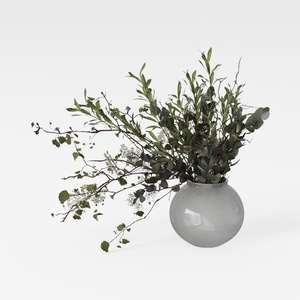
Minimalist Gray Ceramic Vase with Dried Floral Arrangement 3D Model
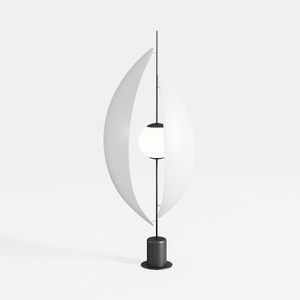
Modern Minimalist Black Metal White Fabric Artistic Floor Lamp 3D Model
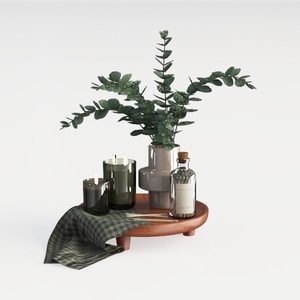
Minimalist Solid Wood Round Decorative Tray with Stylish Tabletop Accessories 3D Model
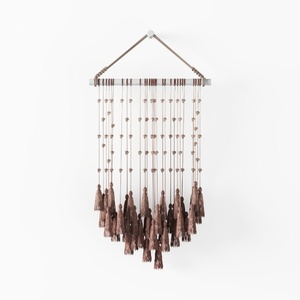
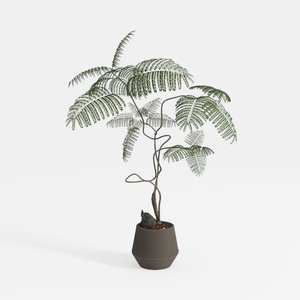
Minimalist Potted Fern Plant Decorative 3D Model
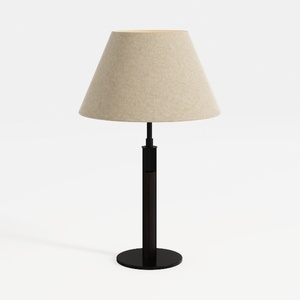
Mini Bedside Lamps for Bedrooms Set of 2
FAQ
Q1: How can I balance minimalism with warmth in a Japandi living room?
Start by selecting furniture with clean lines but made from warm-toned natural woods like oak or walnut. Layer soft textiles such as wool or linen cushions and throws in muted earthy colors. Incorporating plants and ambient lighting with warm bulbs enhances livability without cluttering the minimalist framework.
Q2: What lighting techniques best support Japandi’s aesthetic in bedrooms?
Use layered lighting with dimmable overhead fixtures and bedside lamps featuring soft fabric shades. Preserve natural light with light curtains, and include accent lighting like candles or wooden floor lamps. Opt for warm white bulbs within the 2700K to 3000K range to maintain a cozy yet understated vibe.
Q3: What are effective storage ideas that keep Japandi spaces tidy and stylish?
Choose built-in or low-profile cabinets that blend with wall colors and have minimal hardware. Incorporate multifunctional furniture such as beds or benches with hidden storage. Open shelving should be kept sparse, displaying only essential, beautiful objects to avoid visual clutter.
Built on technology originally developed at Autodesk, Homestyler empowers anyone to design beautiful, realistic spaces in minutes. Join over 18 million users who have already discovered a smarter way to plan, visualize, and bring their dream homes to life — all from the comfort of a browser.
With Homestyler, you can design and visualize your living spaces online with stunning, realistic results.
Design Now for FREE
































