

Introduction
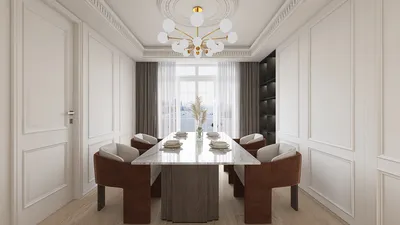
Japandi style is a sophisticated fusion of Japanese minimalism and Scandinavian functionality that embraces simplicity, natural elements, and purposeful design. This aesthetic draws its philosophical roots from the Japanese concept of "wabi-sabi," which finds beauty in imperfection and the passage of time, alongside the Scandinavian emphasis on hygge—comfort and warmth in daily life. The synergy between these two design traditions results in interiors that are thoughtfully curated, balancing clean lines with organic textures and muted tones. Japandi eschews the clutter and excess of conventional décor, focusing instead on purposeful furniture and accessories that foster tranquility and mindful living. Its visual language is subdued and tactile, inviting a sense of calm and wellbeing. The style thoughtfully blends timeless craftsmanship with modern sensibilities, crafting spaces that feel both serene and inviting without sacrificing practicality. This philosophy champions quality over quantity, authenticity over trend, and a reverence for natural materials and handmade details. Every piece within a Japandi interior has a role in contributing to the harmony and flow of the space, reinforcing an environment that nurtures both mind and body. Japandi style's core vision is to unite form and function, cultivating a space where thoughtful simplicity meets understated elegance with a warm, human touch.
Core Elements
Color Palette Japandi's color palette is an artful blend of muted neutrals and soft natural hues that evoke peacefulness and understated sophistication. The base tones are often drawn from Scandinavian lightness—warm whites, soft grays, pale beiges—and punctuated with Japanese-inspired earthy shades like deep browns, muted greens, and indigo blues. This restrained approach avoids stark contrasts, instead opting for tonal harmony to create an environment that soothes the senses. The use of wood and natural fibers is enhanced by these subtle color choices, which serve to amplify the textures and bring warmth without overwhelming the simplicity of the space. Accent colors are minimal and carefully chosen to maintain balance, often applied sparingly to accentuate focal points such as handcrafted ceramics or textiles. This thoughtful palette supports the Japandi philosophy by promoting clarity and calmness, enabling the beauty of form and material to take center stage.
Material Selection Materials in Japandi interiors emphasize authenticity, quality, and tactile richness. Natural woods, particularly ash, oak, and walnut, are celebrated for their grain and patina, utilized in both furniture and architectural details. Bamboo and rattan appear as accent materials, reflecting Japanese traditions, while wool, linen, and cotton textiles add soft warmth and subtle texture. Surfaces are typically matte or softly polished to maintain understated elegance and avoid artificial shine. Stone, especially in muted shades, is incorporated in countertops and flooring to introduce grounded solidity. The intersection of Scandinavian craftsmanship with Japanese joinery elevates these materials to a fine art. Every material chosen embodies longevity and sustainability, reflecting a preference for items that age gracefully and tell a story over time. This organic, curated palette is central to the tactile experience Japandi offers, fostering an intimate connection with the space through touch and sight.
Form and Silhouette The architectural language of Japandi marries clean, crisp lines with gentle organic curves that echo natural forms, dissolving the harshness sometimes found in strict minimalism. Furniture silhouettes tend to showcase simplicity and functionality—low-profile seating with elegantly tapered legs, streamlined cabinetry without ornate details, and open shelving that emphasizes negative space. However, the shapes are softened by subtle, hand-crafted nuances such as rounded corners or slightly undulating edges reflecting traditional Japanese woodworking. The emphasis is always on balance, with an eye toward proportion and scale that encourages peaceful circulation within the room. The fusion of Scandinavian pragmatism and Japanese restraint honors objects that serve a purpose while doubling as artful installations. This form language contributes to the quiet sophistication of Japandi interiors, creating spaces that invite restfulness and thoughtful engagement through their spatial flow and object relationships.
Designing the Look
Realizing the Japandi aesthetic in interiors involves a precise curation of furniture, fixtures, and decor that weave together warmth and minimalism without compromising functionality. Designers seeking to embody this style require resources that not only capture the philosophical nuances but also provide professional-grade elements compatible with contemporary workflows. Homestyler’s ‘Japandi Home’ offers a comprehensive set of ready-to-use 3D models specifically curated to embody this aesthetic, allowing designers to achieve authentic results with professional-grade textures and forms. These model collections assist in visualizing room planning with accurate proportions and materials, facilitating a seamless translation of Japandi’s core principles into physical spaces. The models range from simple wooden chairs and low-profile tables reflecting Japanese influences, to Scandinavian-inspired cabinetry and textiles, all balanced within a refined, neutral backdrop. Using such detailed assets accelerates the design process while preserving integrity to the style’s visual and tactile essence. Moreover, the integration of these models supports experimentation with layout and materials, empowering designers to refine spatial harmony and materiality before execution. This approach ensures the subtle complexities of Japandi interiors—its quiet interplay of light and texture, its nuanced balance of form and function—are thoughtfully maintained in every project, enhancing user experience at every scale.
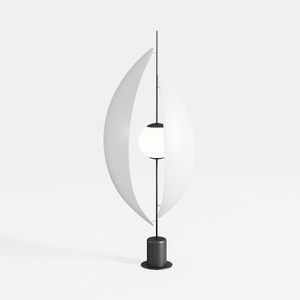
Modern Minimalist Black Metal White Fabric Artistic Floor Lamp 3D Model
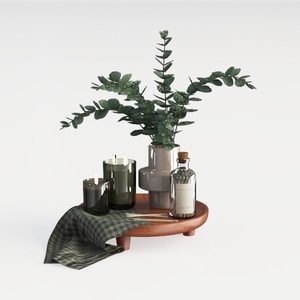
Minimalist Solid Wood Round Decorative Tray with Stylish Tabletop Accessories 3D Model
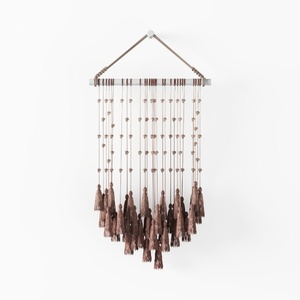
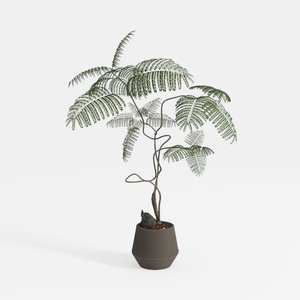
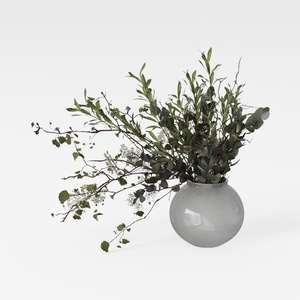
Minimalist Potted Fern Plant Decorative 3D Model
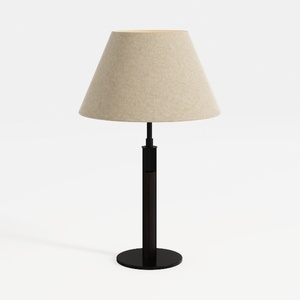
Mini Bedside Lamps for Bedrooms Set of 2
FAQ
Q1: What distinguishes Japandi style from pure Japanese or Scandinavian design?
Japandi style uniquely merges the minimalist, nature-inspired aspects of Japanese interiors with the warm, practical elements of Scandinavian design. Unlike pure Japanese interiors that may lean toward more austere minimalism or intricate craftsmanship, and Scandinavian design which focuses heavily on lightness and functionality, Japandi strives for a balanced dialogue between the two. It favors softer color palettes and warmer woods than typical Japanese decor and integrates hygge comfort alongside wabi-sabi appreciation for imperfection. This creates spaces that are both serene and inviting rather than strictly utilitarian or stark.
Q2: How can I incorporate Japandi style into a small space?
Focus on simplicity and multifunctional pieces crafted from natural materials. Maximize natural light and use a muted, cohesive color palette for visual openness. Prioritize storage solutions that decrease clutter and maintain clean lines. Incorporate textural contrast through textiles or wood grain to add warmth without crowding the space. Low-profile furniture and open shelving will help preserve an airy feel. Opt for handcrafted décor to inject personality while respecting the minimal ethos of Japandi.
Q3: What materials are best suited for Japandi furnishings and decorations?
Materials that emphasize authenticity and natural origins are ideal. Light to medium-toned woods like oak, ash, and walnut are staples. Bamboo and rattan bring a Japanese texture complement, especially in lighting or smaller furniture. Natural fabrics such as cotton, linen, and wool offer tactile softness in upholstery and window treatments. Stone and ceramic elements introduce groundedness and subtle sophistication. The overall material choice should feel organic, sustainable, and unpretentious to support Japandi’s ethos of quiet refinement.
Homestyler's roots trace back to Autodesk, the global leader in design and engineering software. That heritage lives on in every feature we build. Today, with a community of more than 18 million users worldwide, Homestyler continues to make professional-quality interior design accessible to everyone — from first-time decorators to seasoned architects.
Homestyler has millions of users worldwide, making it one of the most popular online home design platforms.
Diseño ahora GRATIS
































