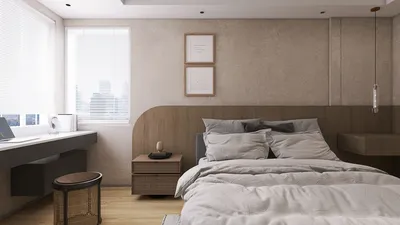


What is the most common core issue in Italian Style Furniture design?
Proportion imbalance leading to a lack of cohesive elegance.
Quick Takeaways
1. Excessive ornamentation can overwhelm sleek lines. 2. Ignoring scale disrupts harmony among pieces. 3. Mixing incompatible styles dilutes Italian elegance. 4. Overusing dark tones creates dreary spaces. 5. Neglecting texture variety limits tactile richness.
Introduction
Italian style furniture is celebrated for its timeless elegance, but its nuanced balance often trips up even seasoned designers. Rather than relying on broad strokes or trends, understanding the precise interplay of form, material, and proportion is critical. Many stumble by either leaning too heavily into decoration or losing the refined simplicity that defines this aesthetic. Through careful observation and a disciplined approach, it’s possible to steer clear of these design traps and achieve a truly authentic Italian-inspired interior.
Why It Goes Wrong
The root of most design failures in Italian style furniture traces back to either an excess of decorative elements or an imbalance in scale and proportion. This style demands a carefully measured sophistication where every detail serves a purpose. When proportion is off, pieces clash instead of complementing each other, and over-decoration introduces visual noise rather than elegance. Sometimes the challenge also lies in stylistic dilution—mixing influences that conflict with Italian traditions compromises the integrity of the space’s character.
Mistake 1: Over-decorating with Ornate Details
The Mistake: Cluttering furniture with excessive carvings, gilding, or embellishments that overshadow clean lines. Why It Happens: Many assume Italian style demands rich, lavish detail, misunderstanding its essence which balances luxuriousness with restraint. The Fix: Limit decorative accents to key focal points such as handles or frames, maintaining simplicity elsewhere. Aim for 30% surface decoration coverage on pieces to preserve elegance without overwhelming.
Mistake 2: Ignoring Scale and Proportion
The Mistake: Using oversized furniture that dwarfs the room or mixing disproportionately sized pieces. Why It Happens: Misjudgment of spatial dimensions or the urge to fit statement pieces without measuring harmony. The Fix: Choose items sized proportionally to ceiling height and room dimensions. For example, seating heights should be 45cm to 50cm to maintain comfortable scale, and table widths should allow 60cm clearance.
Mistake 3: Mixing Conflicting Design Styles
The Mistake: Combining Italian furniture with modern minimalist or overly rustic pieces leading to a confused aesthetic. Why It Happens: Desire for eclecticism sometimes leads to incongruent pairings lacking a unifying theme. The Fix: Stick to traditional Italian motifs—curved legs, rich veneers, and subtle upholstery—in keeping with Renaissance and Baroque inspirations. Avoid stark, cold modern forms.
Mistake 4: Overusing Dark Woods and Finishes
The Mistake: Relying heavily on deep mahogany or walnut that darkens rooms excessively. Why It Happens: Italian style is often associated with rich woods, but excessive use can create gloomy environments. The Fix: Incorporate lighter or medium wood tones like cherry or oak with matte finishes. Balance dark pieces with soft lighting and neutral upholstery to brighten the space.
Mistake 5: Neglecting Texture Variety
The Mistake: Using uniform materials and finishes throughout, resulting in flat and uninviting interiors. Why It Happens: Aiming for simplification without layering textures makes the space lack tactile interest. The Fix: Combine velvet, leather, polished wood, and metal details in restrained quantities. For instance, contrast a smooth wooden table with plush seating and a subtle silk throw.
Designing the Look
Homestyler’s ‘Italian Style Furniture’ offers a comprehensive set of ready-to-use 3D models specifically curated to embody this aesthetic, allowing designers to achieve authentic results with professional-grade textures and forms.
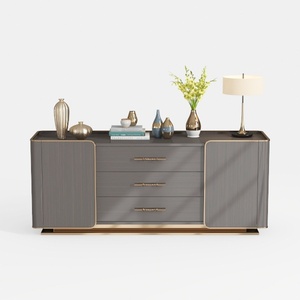
sideboard-Italian Style Furniture

bar counter-Italian Style Furniture

coffee table-Italian Style Furniture
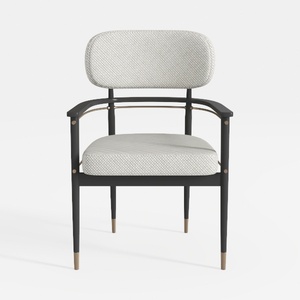
dining chair-Italian Style Furniture
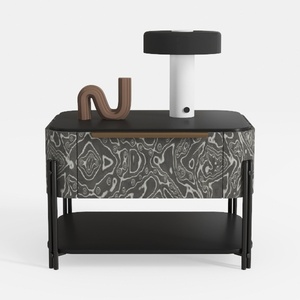
night stand-Italian Style Furniture
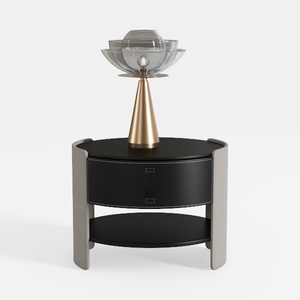
night stand-Italian Style Furniture
FAQ
Q1: How do I differentiate genuine Italian style furniture from imitations?
Authentic Italian furniture prioritizes refined craftsmanship, balanced proportions, and high-quality materials such as natural hardwoods and fine upholstery fabrics. Unlike mass-produced imitations, it often includes hand-finished details and subtle embellishments rather than excessive ornamentation.
Q2: What color palette best suits Italian style interiors?
Traditional Italian style favors warm, earthy tones—cream, terracotta, rich reds, muted golds—balanced with medium wood shades. Avoid ultra-bright or overly dark colors that disrupt the subtle elegance and warmth that characterize this aesthetic.
Q3: How to integrate Italian style furniture in contemporary houses?
Introducing select Italian pieces as focal elements works well against neutral, clean backdrops typical in contemporary homes. Use accessories and fabrics inspired by Italian heritage while keeping overall lines simple and uncluttered to maintain cohesion.
Homestyler's roots trace back to Autodesk, the global leader in design and engineering software. That heritage lives on in every feature we build. Today, with a community of more than 18 million users worldwide, Homestyler continues to make professional-quality interior design accessible to everyone — from first-time decorators to seasoned architects.
Homestyler's powerful 3D rendering feature brings your design concepts to life with incredible detail.
Design Now for FREE
































