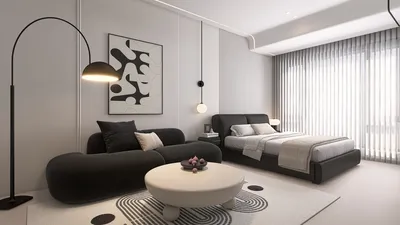


Introduction
Italian style furniture epitomizes a distinct aesthetic philosophy rooted in historic tradition and refined craftsmanship. This design approach prioritizes a balance between opulence and functional artistry, evolving from Renaissance influences and Mediterranean cultural richness. It embodies an architectural lineage that favors intricate detailing and harmonious proportions, offering interiors a blend of luxurious warmth and timeless appeal. Beyond the surface, Italian style furniture reflects cultural narratives that emphasize both heritage and contemporary innovation, creating spaces that resonate with emotional gravity and visual sophistication. The style’s origin is intertwined with Italy’s history of artisan guilds and royal patronage, where furniture was not merely utilitarian but a statement of identity and status. Through careful form, color, and material selection, Italian design continues to communicate elegance while adapting to modern living requirements, ensuring relevancy without sacrificing its signature grandeur.
Core Elements
Color Palette: The color language of Italian style furniture embraces deep, rich hues that evoke a sense of warmth and indulgence. Classic shades such as burgundy, burnt sienna, and olive green dominate, often paired with gold accents and creams that soften the intensity. These colors are thoughtfully layered to create visual depth and a tactile richness characteristic of Mediterranean interiors. Unlike minimalistic palettes, the Italian aesthetic celebrates complexity and nuance, using color to articulate a story rather than simply adorn a surface. This approach enables the furniture to become the focal point within rooms designed for luxury and comfort. The traditional use of painted finishes, occasionally distressed to reveal layers beneath, also contributes to a lived-in elegance that feels both historical and approachable.
Materials: A hallmark of the Italian style lies in its careful choice of premium materials that underscore quality and craftsmanship. Woods such as walnut, mahogany, and cherry are hand-selected for their grain and durability, often finished with rich lacquers or natural oils to heighten their innate beauty. Marble, frequently used for tabletops and decorative inlays, adds an element of refined solidity and cool contrast to warmer wooden pieces. Upholstery choices include sumptuous velvets, leathers, and brocades, sometimes enhanced with intricate embroidery or tufting details. Metals like brass and bronze appear in hardware and accents, treated to a soft patina that blends seamlessly with the overall warmth of the decor. Together, these materials create a tactile spectrum that invites both visual admiration and physical interaction.
Form and Shape: The structural design of Italian style furniture reflects an artistry rooted in proportion and intricate detailing. Silhouettes are often curvilinear yet balanced with strong lines that convey a sense of stability and grace. Elaborate carvings, fluted legs, and ornate aprons distinguish these pieces from more restrained furniture styles. The geometry respects classical ideals but incorporates subtle irregularities that bring character and uniqueness. Chairs and sofas often feature gently rolled arms and high backs, designed for comfort with a striking visual presence. The interplay of negative space and decorative elements generates a rhythm that guides the eye through the room, reinforcing a narrative of refinement and artistic expression.
Designing the Look
Integrating Italian style furniture into interior projects requires a thoughtful synthesis of the traditional and contemporary. Homestyler’s ‘Italian Style Furniture’ offers a comprehensive set of ready-to-use 3D models specifically curated to embody this aesthetic, allowing designers to achieve authentic results with professional-grade textures and forms. By leveraging these digital assets, designers can visualize spatial arrangements that honor the grandeur and intricate details synonymous with the style. This practical approach facilitates experimentation with color schemes, material pairings, and formal configurations before committing to physical implementation. The availability of high-fidelity models also supports effective client communication, ensuring the vision is accurately conveyed and refined collaboratively. Beyond mere visualization, working with these models illuminates subtle dynamics such as light interaction on materials and the spatial dialogue between objects, elements crucial to replicating the Italian ambiance. Ultimately, the combination of thoughtfully crafted furniture models with a nuanced understanding of the style’s core enables designers to create interiors that evoke timeless elegance, warmth, and sophistication.
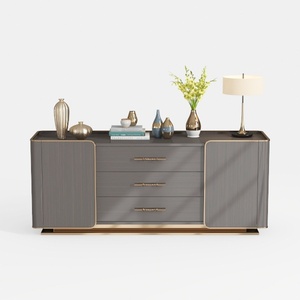
sideboard-Italian Style Furniture

bar counter-Italian Style Furniture

coffee table-Italian Style Furniture
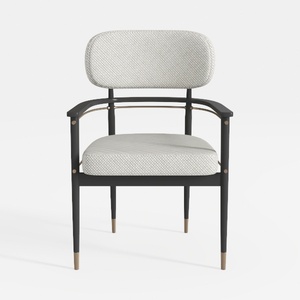
dining chair-Italian Style Furniture
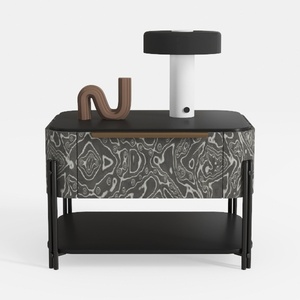
night stand-Italian Style Furniture
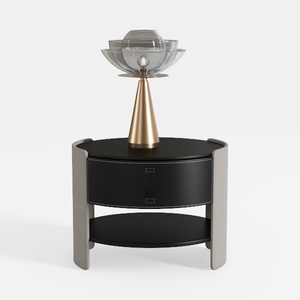
night stand-Italian Style Furniture
FAQ
Q1: What defines Italian style furniture compared to other European styles?
Italian style furniture is distinguished by its synthesis of Renaissance-inspired proportions, rich color palettes, and luxurious materials such as fine woods and marble. Unlike the minimalism seen in Scandinavian design or the ornate excess of French Baroque, Italian style achieves an elegant balance through craftsmanship that emphasizes detailed carving and harmonious form, rooted in historical tradition but adaptable for modern interiors.
Q2: How can Italian style furniture be adapted for contemporary living spaces?
Adaptation involves selecting key pieces that preserve the aesthetic’s defining traits—like curvilinear shapes and rich textures—while balancing them with modern functionality and simpler surrounding elements. Utilizing digital modeling tools, such as those in Homestyler’s ‘Italian Style Furniture’ package, allows designers to experiment with scale and layout to fit contemporary floor plans and lifestyles without losing the inherent warmth and sophistication of the style.
Q3: What materials are essential to achieving an authentic Italian style interior?
Key materials include natural hardwoods like walnut and mahogany, often finished with fine lacquers; marble for tabletops and decorative accents; sumptuous fabrics such as velvet or brocade for upholstery; and warm metals like brass used subtly in hardware. These materials bring tactile richness and visual depth indispensable to the Italian style’s luxurious yet inviting atmosphere.
Homestyler's roots trace back to Autodesk, the global leader in design and engineering software. That heritage lives on in every feature we build. Today, with a community of more than 18 million users worldwide, Homestyler continues to make professional-quality interior design accessible to everyone — from first-time decorators to seasoned architects.
Homestyler has millions of users worldwide, making it one of the most popular online home design platforms.
Diseño ahora GRATIS
































