


The essence of Italian style furniture lies in its harmonious blend of classic elegance and contemporary sophistication, creating a refined yet approachable living space. The core design challenge is balancing ornate craftsmanship with modern practicality, achieving a space that feels both luxurious and inviting without descending into ostentation or clutter. Italian interiors thrive on precision in scale and proportion, marrying carefully curated materials with bold yet tasteful details. The dynamic tension between timeless artisanal touches—such as rich wood grains and intricate carvings—and sleek minimalist forms demands a thoughtful approach to furniture selection and arrangement. The risk lies in either diluting the style’s unmistakable identity by mixing incongruent pieces or overwhelming the space with excess decoration that disrupts the intended flow. Embracing Italian style means respecting the architectural context, focusing on high-quality finishes, and opting for coherent color palettes that complement rather than compete. In essence, it is the art of synthesis: marrying historic craftsmanship with contemporary living needs. Achieving this requires intentional choice at every design phase, from spatial planning and natural light harnessing to integrating statement accessories that punctuate the room without overpowering it. This delicate balance ensures Italian style furniture embodies both aesthetic richness and functional livability, making it timeless and relevant. The journey involves navigating between tradition and innovation while maintaining clarity in spatial organization and material dialogue, resulting in interiors that feel distinctly Italian, yet effortlessly modern.
Step 1: Layout Logic — spatial proportion and furniture placement
Focus first on spatial proportions when arranging Italian style furniture; the scale of each piece must harmonize with room dimensions to foster visual balance. Prioritize centralizing larger, key furniture items such as sofas or dining sets symmetrically to form anchor points around which secondary pieces play complementary roles. Avoid overcrowding by leaving deliberate breathing room that highlights high-quality details rather than concealing them in clutter. Align seating around natural social zones, such as near windows or fireplaces, to enhance both flow and function. Carefully consider traffic pathways and ensure they remain unobstructed while promoting an intuitive circulation pattern. Utilize the golden ratio concept subtly when placing furnishings—this ancient principle helps balance lengths and distances, creating aesthetically pleasing arrangements rooted in classical design theory favored by Italian artisans. In smaller rooms, opt for multifunctional pieces that respect scale yet offer flexibility, such as nesting tables or chairs with delicate profiles that do not overwhelm spatial boundaries. Combine curvilinear and rectilinear forms judiciously; Italian design embraces ornate detailing but also appreciates clean lines. Maintain symmetry where appropriate, but introduce asymmetry via accent furniture or art to break monotony and draw interest. Introducing rugs aligned with furniture groupings can visually define zones while ensuring all furnishings maintain a unified proportional dialogue. The underlying guideline is that nothing intrudes awkwardly or feels forced—every placement should feel intentional and part of a calculated composition. This attentiveness to spatial proportion forms the foundation upon which Italian style furniture’s elegance stands.
Step 2: Lighting and Color — tone selection and lighting pairing
Italian style interiors draw heavily on the nuanced interplay of natural and artificial light, complimenting their rich materials and finishes. Begin by selecting base colors with warmth and earthiness—a palette of taupe, terracotta, ochre, and muted olives serves well to highlight wood grains and gilded accents characteristic of Italian furniture. Incorporate touches of deep jewel tones such as emerald or sapphire through upholstery or decorative cushions for visual depth without overwhelming restraint. Lighting design demands layering: maximize daylight by positioning seating near windows or using translucent draperies to soften harsh sun. Supplement with ambient lighting via ornate pendants or chandeliers that invoke classic Italian motifs in wrought iron or bronze. Task lighting should be subtle—table and floor lamps with fabric shades diffuse illumination gently, evoking a warm glow rather than harsh brightness. Accent lighting with adjustable spotlights or wall sconces draws attention to focal points such as artwork, textured walls, or decorative moldings. Avoid cool white or overly clinical LED tones that conflict with the warmth of the color scheme and materials. Instead, opt for bulbs rated 2700K-3000K to maintain atmospheric cohesion. Reflective surfaces like polished marble, glass, or lacquered cabinetry enhance light diffusion, creating dynamic shadows that add depth and interest. Introducing candles or low-wattage uplights can evoke evening intimacy and the romanticism intrinsic to Italian design. Ultimately, the lighting and color palette work in tandem to create a layered sensory experience—one that feels sumptuous yet lived-in, where light and shade sculpt the room’s mood continuously throughout the day.
Step 3: Finishing Touches — small models enhancing overall texture
Small decorative elements and carefully curated accessory pieces offer a vital finishing touch to Italian style interiors. Select objets d’art that speak to heritage craftsmanship, such as hand-blown Murano glass vases, intricate ceramics with traditional motifs, or carved wooden sculptures that echo the furniture’s artisanal lineage. Upholstered cushions and throws in sumptuous fabrics like velvet or silk add tactile richness and color accents, tying the room’s palette together subtly. Incorporate antique or vintage-inspired frames with classical reliefs or gilding to frame mirrors and prints for that authentic Italian flair. Do not overcrowd surfaces; instead, embrace negative space to let individual pieces breathe and gain prominence. Arrange books or coffee table volumes by color or subject to create informal yet refined displays, adding a lived-in intellectual charm. Introduce greenery with Mediterranean plants such as olive branches or lavender in stone or terracotta pots to breathe organic life into otherwise structured spaces. Metals in brass, gold leaf, or aged bronze on knobs, lamps, and small trays provide discreet shimmer without garishness. Layering textures carefully—from a woven rug underfoot to embroidered linens—builds a sensory tapestry consistent with the style’s luxurious simplicity. Remember that each small detail contributes to the narrative, connecting the space’s architectural bones with its human element. Attention to these micro-inclusions is what ultimately transforms Italian style furniture sets from a collection of well-made pieces into a cohesive, vibrant environment that resonates with history and modernity.
Designing the Look
For designers working in Homestyler, the Italian Style Furniture is a practical shortcut to authenticity. It removes the guesswork from sourcing — every piece is pre-matched in scale, material, and proportion to deliver a coherent Italian style result.
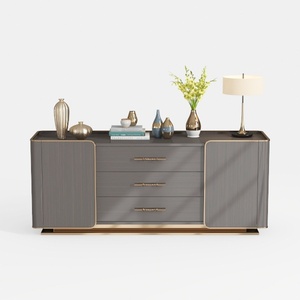
sideboard-Italian Style Furniture

bar counter-Italian Style Furniture

coffee table-Italian Style Furniture
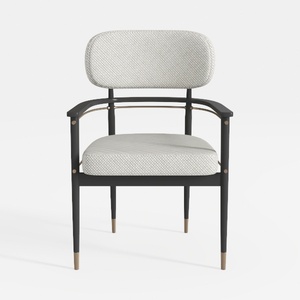
dining chair-Italian Style Furniture
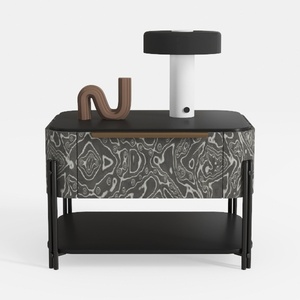
night stand-Italian Style Furniture
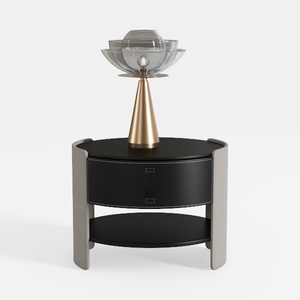
night stand-Italian Style Furniture
FAQ
Q1: How can I ensure Italian style furniture fits well in a small living room without overcrowding?
Prioritize selecting pieces with slimmer profiles and multifunctional purposes, such as nesting tables or chairs with open frames. Maintain generous spacing around each item to avoid visual clutter. Use mirrors and light color palettes to expand the perceived space, and anchor arrangements with smaller but high-quality focal points rather than oversized traditional pieces.
Q2: What lighting solutions best complement the warmth and richness of Italian style interiors?
Layered lighting is essential. Maximize natural light with sheer curtains; use warm-tone bulbs (2700K-3000K) across ambient fixtures like chandeliers with classic motifs alongside fabric-shaded table lamps for softness. Add accent lighting for artwork or textured wall surfaces using adjustable spotlights or wall sconces with dimmer controls to tune atmospheres.
Q3: How should I integrate decorative accessories without overwhelming the Italian style aesthetic?
Apply the principle of thoughtful restraint: select a few signature handcrafted items that resonate with the furniture’s craftsmanship, such as Murano glass or carved wood sculptures. Avoid excess by grouping accessories thoughtfully with ample negative space around them. Incorporate natural elements like Mediterranean plants for freshness, and harmonize textures via textiles and metals to enrich but not dominate the overall scheme.
Built on technology originally developed at Autodesk, Homestyler empowers anyone to design beautiful, realistic spaces in minutes. Join over 18 million users who have already discovered a smarter way to plan, visualize, and bring their dream homes to life — all from the comfort of a browser.
Homestyler supports multiple platforms, allowing you to work on your interior design anytime, anywhere.
Zaprojektuj teraz za darmo
































