

Introduction
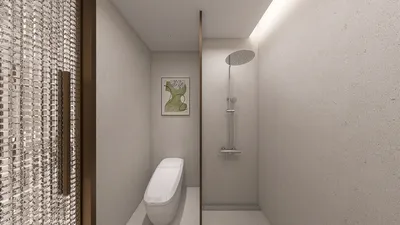
Italian Minimalism is not simply about stripping away excess; it is a deliberate exploration of spatial purity combined with an artisanal sense of understated luxury. Rooted in Italy’s rich cultural heritage of design, craftsmanship, and architectural innovation, this aesthetic embodies the dialogue between simplicity and sophistication. Far from cold or clinical, Italian Minimalism merges sleek, clean lines with the tactile warmth of natural materials, creating spaces that resonate with both function and emotional nuance. Historically, this style draws inspiration from the modernist movements of the mid-20th century while integrating an Italian regional sensibility that values artisanal exclusivity and high craftsmanship standards. The point is not minimalism for minimalism’s sake but rather a careful balancing act where every object, color, and texture plays a profound role. This controlled restraint highlights the beauty of form and material integrity, establishing a quiet yet powerful presence in interiors. The essence lies within an inherent dualism—ensuring that the arrangements never feel sparse or underfurnished but instead articulate a confident silence. This philosophy is evident in how spaces flow naturally, inviting contemplative calmness while engaging the senses through well-chosen tactile elements and a carefully curated palette. Italian Minimalism appreciates the poetry of empty space and recognizes it as a design element itself. Thus, this approach expresses a refined, lived-in elegance marked by clarity and purpose.
Core Elements
A defining characteristic of Italian Minimalism is its restrained yet refined color palette. Instead of stark monochromes, it opts for subtle tonal variations rooted in natural hues—soft whites, warm greys, charcoal blacks, and muted earth tones like ochre or terracotta. These colors are not just visually appealing but create a serene atmosphere that invites neutrality and contemplation. The palette avoids vivid contrasts, preferring instead the interplay of light and shadow to reveal texture and depth. Such chromatic subtlety encourages harmony and continuity between spatial elements, allowing furnishings and architecture to breathe without competing for attention. This delicate balance in color choices enhances the understated exclusivity that typifies Italian Minimalism.
Materials convey the tactile heart of Italian Minimalism, where natural stone, finely grained wood, polished metals, and artisanal leather converge to embody craftsmanship and durability. Importantly, surfaces maintain a quiet elegance rather than opulence—matte finishes, honed textures, and invisible joins emphasize the quality of construction and material authenticity. The tactile experience is as important as the visual; for example, a rough-hewn travertine console or a smooth walnut panel delivers contrasting sensations that captivate both touch and sight. The absence of ornate decoration redirects attention to proportion, surface quality, and the subtle imperfections inherent in handcrafted pieces. This material honesty grounds the minimalist framework in warmth and sophistication.
The forms found in Italian Minimalism carefully balance geometric simplicity with fluid silhouettes, creating spaces that feel sculpturally precise yet inviting. Furniture usually showcases clean, linear outlines combined with soft curves or subtle angular deviations, avoiding rigid symmetry in favor of natural flow. This approach results in objects that appear purposeful and effortless simultaneously. Spatial design accentuates openness and transparency—walls may be minimized or defined by glass elements, supporting a concept of permeability and light movement. Minimalist lighting fixtures often manifest as understated architectural features, highlighting volumetric space rather than decorating it. Overall, forms in this style harmonize rational structure with a gentle humanism, bridging intellect and emotional engagement.
Designing the Look
Homestyler’s ‘Italian Minimalism’ offers a comprehensive set of ready-to-use 3D models specifically curated to embody this aesthetic, allowing designers to achieve authentic results with professional-grade textures and forms. This model package provides architects and interior designers with an invaluable toolkit for manifesting the delicate balance of simplicity and sophistication that Italian Minimalism demands. Each model captures the nuanced color gradations, refined material finishes, and tactile geometry that inform this style’s distinct character. By utilizing these models, practitioners can experiment with spatial arrangements and material combinations in a virtual environment that closely simulates real-world results. The availability of professionally calibrated textures ensures realistic rendering outcomes, while diverse form options allow custom configurations that maintain stylistic integrity. Beyond pure visual appeal, these resources promote workflow efficiency by reducing the time spent partnering with external resources or creating bespoke components. Incorporating this model package into design workflows enables a thoughtful application of this philosophy underlying Italian Minimalism: the poise between functionality, visual harmony, and material sincerity. Designers can confidently explore minimalism beyond mere reduction, leveraging the subtle richness embedded in this tradition to craft interiors that are calm yet compelling. This practical bridge from conceptual ideology to tangible implementation makes the ‘Italian Minimalism’ model set a pivotal asset in contemporary design practice.

Minimalist Neutral Tone Abstract Area Rug 3D Model

Italian Minimalism-painting 8


Minimalist Neutral Textured Abstract Wall Art Print 3D Model

Minimalist Fabric Upholstered Modern Accent Chair 3D Model
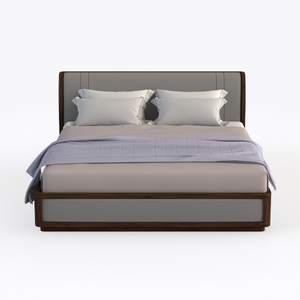
Modern Walnut Leather Upholstered King Size Bed 3D Model
FAQ
Q1: How does Italian Minimalism differentiate from generic minimalism in interior design?
Italian Minimalism distinguishes itself by balancing clean simplicity with warmth and tactile engagement. Unlike generic minimalism that often skews towards extreme sparseness and coldness, this style incorporates soft natural tones, exquisite materiality, and fluid geometric forms, emphasizing artisanal craftsmanship and a quietly luxurious ambiance. It connects modernist restraint with Italian heritage rather than pure functionality.
Q2: What are the best material choices for achieving authentic Italian Minimalism?
Natural materials dominate this aesthetic with a focus on texture and finish rather than surface adornment. Suitable materials include honed travertine or marble, mid-tone wood with visible grain, matte metals like brushed brass or bronze, and vegetable-tanned leather. Selection should prioritize craftsmanship and subtle imperfections to enhance tactile quality over gloss or ornamentation.
Q3: Can Italian Minimalism be adapted for smaller spaces without losing its integrity?
Yes, this style’s emphasis on openness and flow can be scaled to any spatial dimension. In smaller areas, selecting multifunctional furniture with streamlined forms and integrating soft lighting can create an illusion of spaciousness. Keeping the palette neutral and decluttered allows the fabric and finishes to remain the focal points, preserving essence without overcrowding.
What began as an Autodesk innovation has evolved into a design platform used by more than 18 million people around the globe. Homestyler combines powerful rendering, an intuitive editor, and a vast furniture library to help you turn inspiration into photorealistic designs — whether you're redesigning a single room or planning an entire home.
Homestyler is a professional interior design software that helps users effortlessly create their dream home.
Zaprojektuj teraz za darmo
































