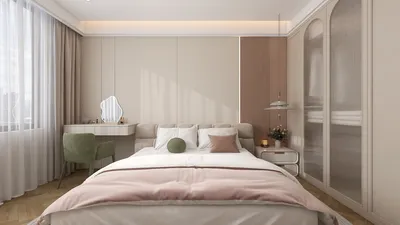


The Ins Choice design style challenges designers to strike a balance between bold expression and harmonious functionality. This style thrives on the tension between striking visual elements and an underlying restraint that prevents spaces from becoming overwhelming. Its core challenge lies in managing the scale and material interplay to create interiors that feel both vibrant and comfortable. Achieving this delicate equilibrium demands careful consideration of spatial dynamics. Designers must navigate the risk of aesthetic clutter while maintaining the energetic, eclectic vibe that defines Ins Choice. The style’s characteristic blend of textures, rich colors, and modern forms requires a refined eye for proportion and pacing within a room. Central to the Ins Choice approach is the idea of layering components without sacrificing clarity. For instance, juxtaposing plush textiles with sleek, angular furniture pieces results in a lively yet grounded atmosphere. However, this boldness must be orchestrated thoughtfully to avoid discord. A successful rendition harnesses contrast as a tool to enhance visual interest while fostering a cohesive whole. Material selection plays an equally vital role in addressing the style’s core design challenge. Combining natural elements like wood and stone with synthetic finishes brings depth and nuance to the aesthetic palette. Yet, the proportion of these materials must be calibrated to support balance rather than compete, encouraging a seamless flow from one spatial zone to another. Another complexity arises from integrating color schemes that are both stimulating and sophisticated. Ins Choice leans heavily on saturated hues and rich tones, requiring restraint in their deployment so spaces evoke warmth without overpowering occupants. In essence, the primary challenge lies in the simultaneous orchestration of scale, texture, and color to construct interiors that are dynamic but composed, innovative but livable. This necessitates pinpoint precision in planning, selection, and styling decisions, making the Ins Choice style a rigorous yet rewarding pursuit for interior designers.
Layout Logic — Space Proportion and Furniture Placement
Mastering the Ins Choice style begins with a keen understanding of spatial proportions and strategic furniture arrangements. Careful zoning is essential to accommodate the style’s penchant for layered textures and bold pieces while maintaining overall balance. Start by measuring room dimensions precisely to grasp the scale of space. Avoid overfilling smaller areas with bulky furnishings; instead, opt for streamlined pieces that echo the geometric simplicity found in Ins Choice motifs. For expansive rooms, introduce multiple focal points using accent chairs or sculptural elements to distribute visual weight evenly. Anchor seating areas with rugs that delineate boundaries without disrupting flow. Choose rugs whose textures complement upholstery materials, ensuring tactile harmony within each zone. When arranging furniture, maintain clear circulation paths — walkways should be at least 60 to 90 centimeters wide to facilitate ease of movement and prevent overcrowding. Balance asymmetry with symmetry by pairing irregularly shaped items with conventional furnishings. For example, a circular coffee table may offset the linearity of a sofa, adding dynamism without confusion. Introduce multi-functional furniture, such as ottomans with storage, to increase utility without compromising aesthetic coherence. Consider the vertical dimension by utilizing shelving or tall cabinets that draw the eye upward, enhancing perceived ceiling height. Such vertical layering aligns with Ins Choice’s textural complexity, contributing an architectural rhythm to interiors. Finally, maintain open sightlines where possible. Transparent materials like glass or acrylic furniture reinforce spatial fluidity, allowing natural light to permeate and keep areas from feeling cluttered despite rich décor layers. Each placement decision should interact thoughtfully with adjacent pieces, ensuring smooth transitions and unified spatial narratives.
Light and Shadow — Tone Choices and Illumination Pairing
Lighting profoundly influences the perception of an Ins Choice interior, shaping mood and accentuating textures and colors. An effective lighting strategy balances natural and artificial sources to amplify the style’s vibrancy without inducing visual fatigue. Begin by defining the room’s intended function and how daylight interacts with its surfaces throughout the day. Employ translucent window treatments to diffuse harsh sunlight yet preserve warmth. This approach softens contrasts and highlights the richness of saturated hues characteristic of the style. Layer lighting with a mix of ambient, task, and accent fixtures. Recessed downlights offer even background illumination, minimizing shadows that might diminish texture depth. Meanwhile, sculptural pendant lamps can serve as focal elements that echo Ins Choice’s artistic sensibilities. For task lighting, select adjustable fixtures with warm color temperatures (2700K–3000K) to create inviting work or reading areas without clashing with the overall palette. LED strips installed beneath shelves or furniture edges provide subtle accentuation, emphasizing material transitions and spatial boundaries. Color temperature coordination is critical. Overly cool lights may dull warm finishes and saturated tones, while excessively warm lights risk muting details. Aim for balance through layered sources, allowing users to customize lighting intensity and ambiance via dimmable controls. Finally, shadows should be harnessed as compositional elements, adding shape and depth rather than causing gloom. Strategic placement of lamps can produce dramatic shadow play on textured walls or upholstery, reinforcing the style’s inherent contrast between boldness and refinement.
Finishing Touches — Small-Scale Models to Enhance Overall Texture
Incorporating curated small objects and decorative models is vital to completing an Ins Choice interior. These elements thread nuances of materiality, color, and craftsmanship throughout the space, enriching tactile and visual sensations. Choose accessories that complement but do not compete with dominant furniture forms. Sculptural vases in muted ceramics, hand-loomed textiles with subtle patterns, or matte metal accents provide sophistication without overwhelming the design narrative. Consider scale carefully: miniature furnishings or art pieces should be in proportion with larger installations, providing contrast through texture or shape rather than size. Cluster groupings in odd numbers create dynamic focal points, inviting closer inspection. Layered textiles such as cushions, throws, and rugs enable designers to intersperse competing patterns or hues in a controlled manner. Opt for natural fibers that establish warmth and tactility, key to Ins Choice’s layered aesthetic. Incorporate living elements like lush plants in textured pots to inject freshness and break rigidity. Organic forms soften linearity and introduce movement. Lighting accents on these smaller models, such as spotlighting a ceramics collection or backlighting wall art, amplify their role in the composition, fostering a curated yet approachable environment. Above all, each small-scale piece should feel considered and intentionally placed, contributing to an overall atmosphere that is simultaneously sophisticated and inviting.
Designing the Look
For designers working in Homestyler, the Ins Choice is a practical shortcut to authenticity. It removes the guesswork from sourcing — every piece is pre-matched in scale, material, and proportion to deliver a coherent Ins Choice result. {"content":"model list","label":"models"}
FAQ
Q1: How can I prevent a richly textured Ins Choice room from feeling visually cluttered?
Focus on balancing bold textures with areas of calm. Use solid-colored upholstery and smooth surfaces to offset intricate patterns or tactile finishes. Maintain open circulation and clear sightlines to avoid visual overload.
Q2: What lighting color temperature best suits an Ins Choice interior?
Warm lighting between 2700K and 3000K enhances the saturated color palette and textured materials typical of the style. Layer different light sources with dimming options for optimal mood control.
Q3: How do I ensure small decorative models do not get lost in the overall design?
Arrange small items in odd-numbered groups and under dedicated lighting to create focal points. Choose models with distinctive materials or finishes that contrast with surrounding elements to stand out without clashing.
Homestyler's roots trace back to Autodesk, the global leader in design and engineering software. That heritage lives on in every feature we build. Today, with a community of more than 18 million users worldwide, Homestyler continues to make professional-quality interior design accessible to everyone — from first-time decorators to seasoned architects.
Homestyler has millions of users worldwide, making it one of the most popular online home design platforms.
立即免费设计
































