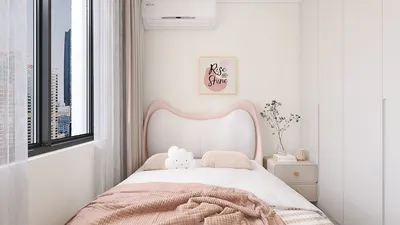


What is the most common core issue in Industrial Style designs?
Industrial Style often fails due to disproportionate elements and excessive decorative clutter.
Quick Takeaways
1. Industrial design is vulnerable to clutter, which kills its raw appeal. 2. Mixing too many materials disrupts the cohesive aesthetic. 3. Ignoring scale creates awkward spatial dynamics. 4. Neglecting texture variation leads to flat designs. 5. Overusing vintage elements can feel forced rather than authentic.
Introduction
When I first embraced Industrial Style for interiors, I frequently encountered pitfalls that diluted the style’s original rugged beauty. The industrial vibe thrives on simplicity, exposed structures, and a sense of utilitarian authenticity, but it's easy to misstep—either by overloading a space with unnecessary objects or by mixing elements without a clear vision. This style’s powerful rawness demands precise balance; otherwise, it quickly feels chaotic or contrived.
Why It Goes Wrong
The fundamental issue in Industrial Style faux pas is the tension between functional rawness and decorative overload. Many falter by crossing the line from structured simplicity into cluttered chaos. Others confuse industrial with rustic or vintage, conflating materials and textures that hamper cohesion. Moreover, ignoring scale and proportion turns sturdy industrial pieces into jarring focal points rather than harmonious contributors to the space.
Mistake 1: Overdecorating the Space
The Mistake: Filling an area with too many industrial-themed objects, trinkets, or decor that compete visually. Why It Happens: Enthusiasm for the style causes designers to bring in every industrial element at once, mistaking quantity for authenticity. The Fix: Limit decorative items to a few key pieces. Stick to minimalist accents that highlight raw materials like metal, wood, and concrete. Aim for negative space in the layout to allow the architecture to breathe.
Mistake 2: Mixing Too Many Materials
The Mistake: Combining an excessive variety of surface finishes such as shiny metals, distressed woods, and rough concrete in one room. Why It Happens: Confusing industrial style with eclectic or rustic styles leads to material overload without a unifying thread. The Fix: Choose two or three primary materials and explore variations in tone or texture instead of adding more distinct types. Ensure consistency in the color palette to maintain cohesion.
Mistake 3: Ignoring Proper Scale
The Mistake: Introducing oversized or miniature furniture and fixtures that disrupt the spatial balance. Why It Happens: Misjudging the scale or attempting to make a statement with one piece at the cost of harmony. The Fix: Measure your space precisely and choose furniture proportionate to room size and ceiling height. Industrial style favors substantial, yet functional forms that don’t overwhelm or look dwarfed.
Mistake 4: Neglecting Texture Variation
The Mistake: Creating a surface palette that feels monotone and flat due to a lack of tactile contrasts. Why It Happens: Underestimating the importance of textural interplay in enlivening raw industrial aesthetics. The Fix: Mix smooth metals with rough wood grains or concrete’s gritty finish to craft depth. Layer fabric choices such as leather or linen for softness against hard surfaces.
Mistake 5: Overusing Vintage or Retro Items
The Mistake: Loading industrial interiors with too many aged or worn objects, making spaces feel more nostalgic than industrial. Why It Happens: Assuming industrial equates purely with old factories or vintage finds. The Fix: Incorporate vintage elements sparingly and focus on contemporary industrial forms to keep the look fresh and purposeful.
Designing the Look
Homestyler’s ‘Industrial Style Furniture’ offers a comprehensive set of ready-to-use 3D models specifically curated to embody this aesthetic, allowing designers to achieve authentic results with professional-grade textures and forms.

dining table-Industrial Style Furniture

pedestal sink-Industrial Style Furniture
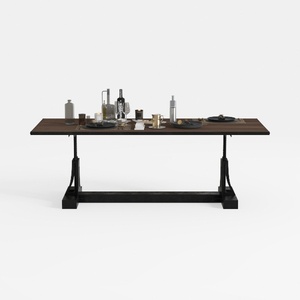
dining table-Industrial Style Furniture

lounge chair-Industrial Style Furniture

pendant light-Industrial Style Furniture

stool-Industrial Style Furniture
FAQ
Q: How can I maintain the industrial style without making the space feel cold or uninviting?
To prevent industrial interiors from feeling too cold, introduce warm textures like reclaimed wood and soft textiles such as wool throws or leather cushions. Balancing metal and concrete with natural elements softens the overall atmosphere while sustaining industrial authenticity.
Q: What lighting works best with Industrial Style interiors?
Lighting for industrial spaces should emphasize utilitarian simplicity—think exposed bulbs, pendant lamps with metal shades, or vintage-inspired fixtures. Opt for warm white bulbs to counterbalance the hard surfaces and create inviting pools of light.
Q: Is it okay to combine industrial style with other design styles?
While mixing styles can enrich interiors, blending industrial with too many other aesthetics often dilutes its character. Integrate subtle elements from mid-century modern or minimalism to complement rather than clash. Maintaining a clear vision and consistent materials is essential for cohesion.
Homestyler's roots trace back to Autodesk, the global leader in design and engineering software. That heritage lives on in every feature we build. Today, with a community of more than 18 million users worldwide, Homestyler continues to make professional-quality interior design accessible to everyone — from first-time decorators to seasoned architects.
Leverage Homestyler's AI-powered features to quickly generate professional interior design schemes.
Design Now for FREE
































