

Introduction
Industrial style furniture embodies a design philosophy rooted in the utilitarian spaces of factories, warehouses, and urban lofts. It reflects a deliberate embrace of raw, unfinished materials and structural elements, emphasizing function and authenticity over ornamentation. Emerging from the industrial age’s practical environments, this style celebrates the beauty found in exposed steel beams, worn leather, reclaimed wood, and unrefined surfaces. The industrial aesthetic seeks to capture the essence of mechanized production paired with manual craftsmanship, creating spaces that are both gritty and refined. This duality evokes a visual dialogue between past and present; rugged metalwork reminds us of machinery’s omnipresence, while organic wood tones warm the environment, balancing coldness with texture. Industrial furniture pieces often appear as though plucked directly from factories conceptually, inviting interiors that reject excessive polish in favor of bold textural presence and structural honesty.
Core Elements
Color Palette The color range within industrial style furniture largely skews toward muted, earthy, and metallic hues that echo the original settings of factories and warehouses. Charcoal grays, deep blacks of wrought iron, rust-inspired reddish browns, and various shades of weathered wood define the palette. Unlike more decorative styles, these colors are grounded in realism and purpose—they do not distract but rather articulate the industrial legacy. This restrained chromatic approach allows the inherent textures and materials to become the visual focal points, establishing an imposing yet understated atmosphere. Occasional splashes of warm ochre or faded navy may appear, but overall the scheme remains consistent with an industrial spirit: honest and utilitarian.
Materiality Material selection in industrial furniture prioritizes durability and authenticity. Metals such as steel, iron, and aluminum feature prominently, often with visible welding joints, rivets, or oxidized patinas revealing their manufacture. Woods are chosen for their robust character, frequently reclaimed or distressed to emphasize age and use. Surfaces might include concrete slabs, aged leather upholstery, or burlap accents, all contributing to a tactile richness that balances cold metal with organic warmth. Each piece carries an intentional roughness, shunning gloss or superfluous veneer to expose raw textures. This material honesty not only honors the industrial past but fosters a sensory experience where touch and visual qualities converge.
Form and Shape Shapes and silhouettes in industrial style lean toward simplicity and linearity with a functional edge. Furniture tends to feature strong geometric lines, rectangular frames, and exposed structural supports, often highlighting joints and fasteners as design details. Bulk and solidity characterize the pieces, eschewing delicate or ornate curves in favor of robust forms that emphasize strength and stability. Open shelving lockers, boxy cabinets, and minimalistic seating with metal legs contrast with the embodied heaviness of reclaimed wood surfaces. The interplay between open, airy frameworks and substantial material masses creates a distinctive visual tension that is central to industrial design, communicating utility without sacrificing style.
Designing the Look
Homestyler’s ‘Industrial Style Furniture’ offers a comprehensive set of ready-to-use 3D models specifically curated to embody this aesthetic, allowing designers to achieve authentic results with professional-grade textures and forms. These models provide tactile accuracy—from the coarse weave of leather upholstery to the granular finish of raw steel—helping visualize interiors before physical execution. The collection’s emphasis on realistic detail supports design processes focused on authenticity rather than stylized approximations. Utilizing these models enables a fluid transition from conceptualization to realization, ensuring spatial arrangements maintain the industrial ethos through proper scale, texture, and material balance. The practicality of this approach cannot be overstated; designers can evaluate color harmony, material juxtaposition, and the balance of formlets digitally, minimizing costly revisions. Moreover, these assets cater not only to professional architects but also to enthusiasts aiming to craft spaces with a gritty, honest charm. Whether furnishing an urban loft, refurbishing a commercial venue, or curating a gallery, the models serve as an invaluable toolkit. Each item reflects the layered history and tactile reality intrinsic to the industrial style, fostering environments that are profoundly contextual and visually compelling.

dining table-Industrial Style Furniture

pedestal sink-Industrial Style Furniture
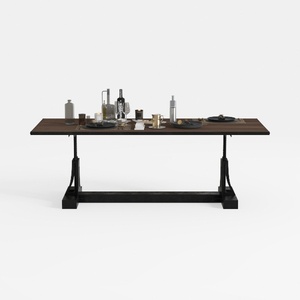
dining table-Industrial Style Furniture

lounge chair-Industrial Style Furniture

pendant light-Industrial Style Furniture

stool-Industrial Style Furniture
FAQ
Q: How can industrial style furniture be integrated into residential spaces without overwhelming the decor?
Industrial furniture’s bold presence can dominate small or overly decorated interiors. To mitigate this, balance is key—pair heavy metal and wood pieces with softer textiles and lighter color walls to soften the industrial edge. Introducing plants and warm lighting also creates a more inviting ambiance. Select one or two signature industrial pieces rather than furnishing an entire room, mixing with mid-century or minimalist styles for contrast and cohesion.
Q: What are effective ways to maintain industrial furniture’s raw materials over time?
Preserving industrial furniture involves routine care adapted to the materials. Metal elements benefit from occasional cleaning to remove dust and prevent corrosion, using cloth dampened with mild cleaner and drying thoroughly. Wood surfaces should be treated with natural oils or waxes to protect against drying without glossy finishes. Avoid harsh polishes that can mask the intended weathered look. Regular inspections ensure structural integrity, especially for reclaimed materials.
Q: Can industrial style furniture be customized to fit different functional needs?
Absolutely. The core industrial aesthetic values practicality, so customization to suit specific functions is common, from adjustable shelving to modular seating configurations. Designers can reinterpret classic industrial forms using alternative materials or introduce hybrid pieces that blend industrial rawness with ergonomic features, meeting both stylistic and usability criteria without compromising the design philosophy.
Homestyler's roots trace back to Autodesk, the global leader in design and engineering software. That heritage lives on in every feature we build. Today, with a community of more than 20+ million users worldwide, Homestyler continues to make professional-quality interior design accessible to everyone — from first-time decorators to seasoned architects.
Homestyler supports multiple platforms, allowing you to work on your interior design anytime, anywhere.
Desain sekarang Gratis
































